

Senior Dog Food & Wellness Support
Senior dog food includes recipes and feeding options designed to meet the changing needs of older dogs. Depending on the formula, senior-friendly foods may help support healthy weight, comfortable mobility, digestion, skin and coat health, and everyday energy. Options range from traditional dry dog food to wet food, gently cooked meals, toppers, treats, and supplements.
There is no single age when every dog becomes a senior. Large breeds may experience age-related changes earlier than smaller breeds, and every dog’s needs depend on factors such as weight, activity level, body condition, appetite, and health history. Some older dogs continue doing well on their current food, while others benefit from a different calorie level, texture, or feeding routine.
How to Choose Food for a Senior Dog
Here are some factors to consider when comparing senior dog food:
- Life stage and body condition: Look for a recipe that fits your dog’s age, weight, activity level, and current body condition.
- Calories and portions: Less-active senior dogs may require fewer calories, while active older dogs may need a different nutritional approach.
- Texture and appetite: Wet food and gently cooked meals may appeal to selective eaters or dogs that prefer softer textures.
- Protein and ingredients: Compare protein sources, fats, fiber, and other ingredients based on your dog’s nutritional needs and preferences.
- Specific health goals: Some formulas include ingredients intended to support digestion, mobility, weight management, or skin and coat health.
- Complete meals or supplemental products: Check the label to determine whether a product is complete and balanced or intended to be used as a topper, treat, or supplement.
Senior Dog Food Options From Health Extension
Health Extension offers several ways to build a senior-friendly feeding routine. Lite Chicken & Brown Rice Recipe is designed for overweight, spayed, neutered, or senior dogs. It features deboned chicken and brown rice along with probiotics, glucosamine, chondroitin, and L-carnitine.
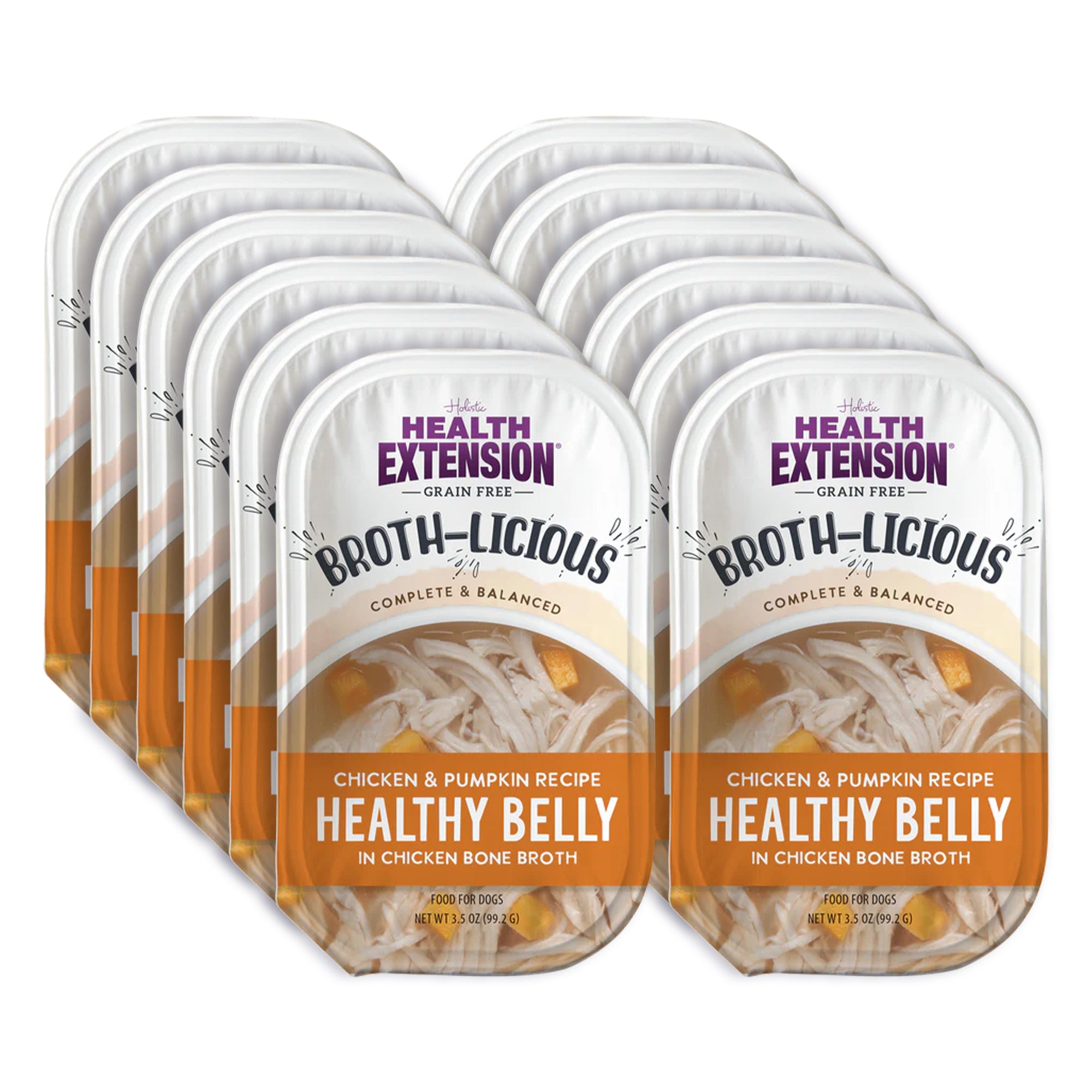
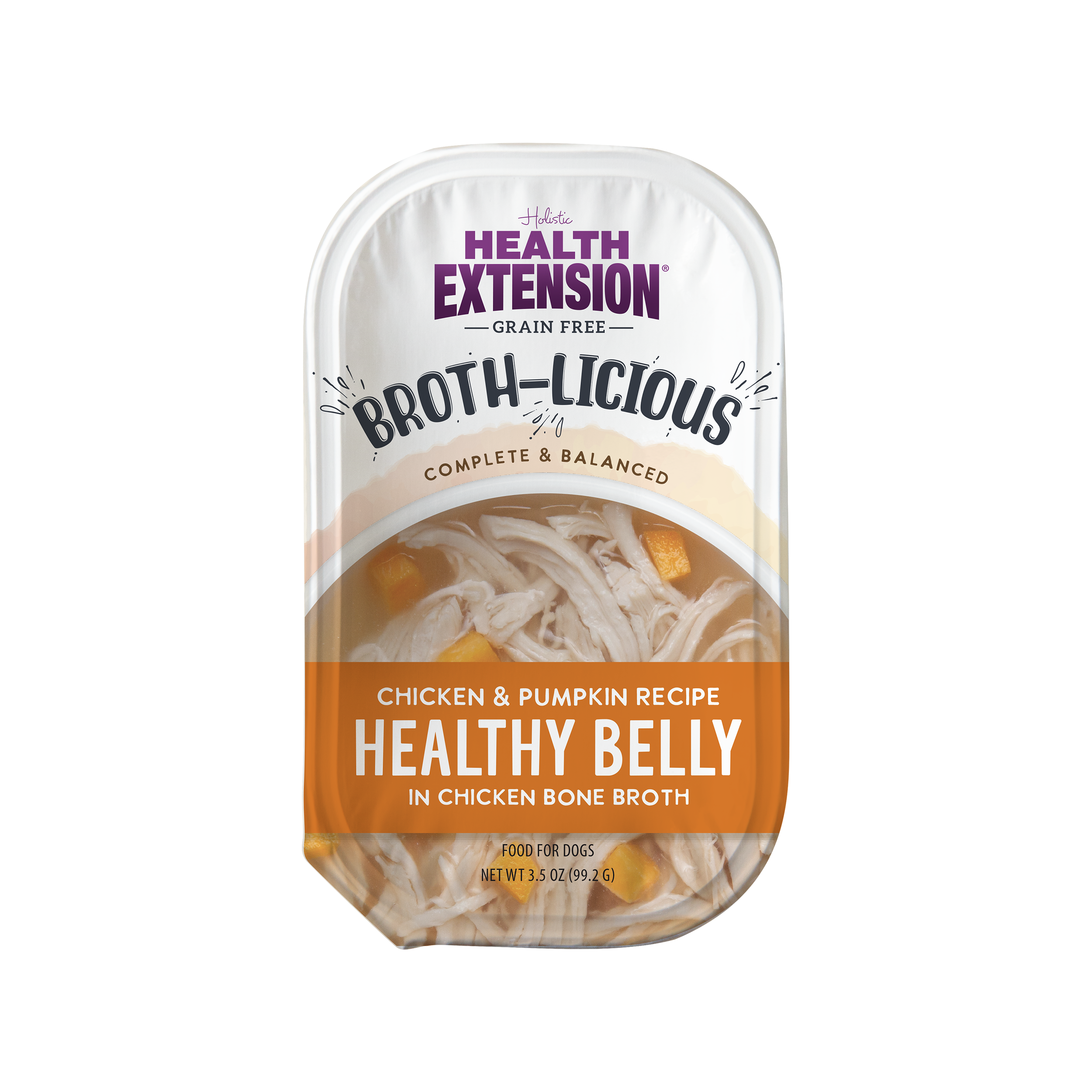
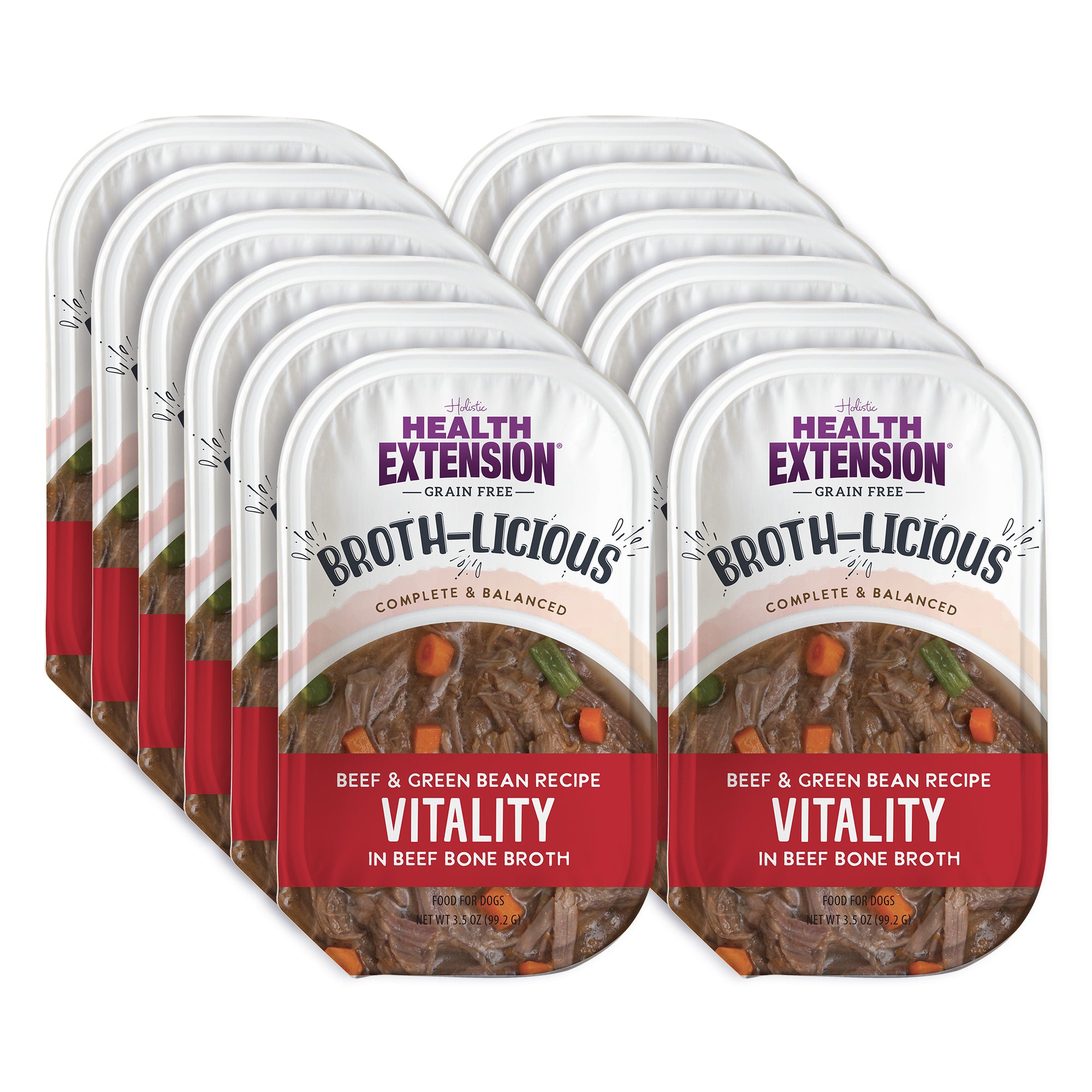
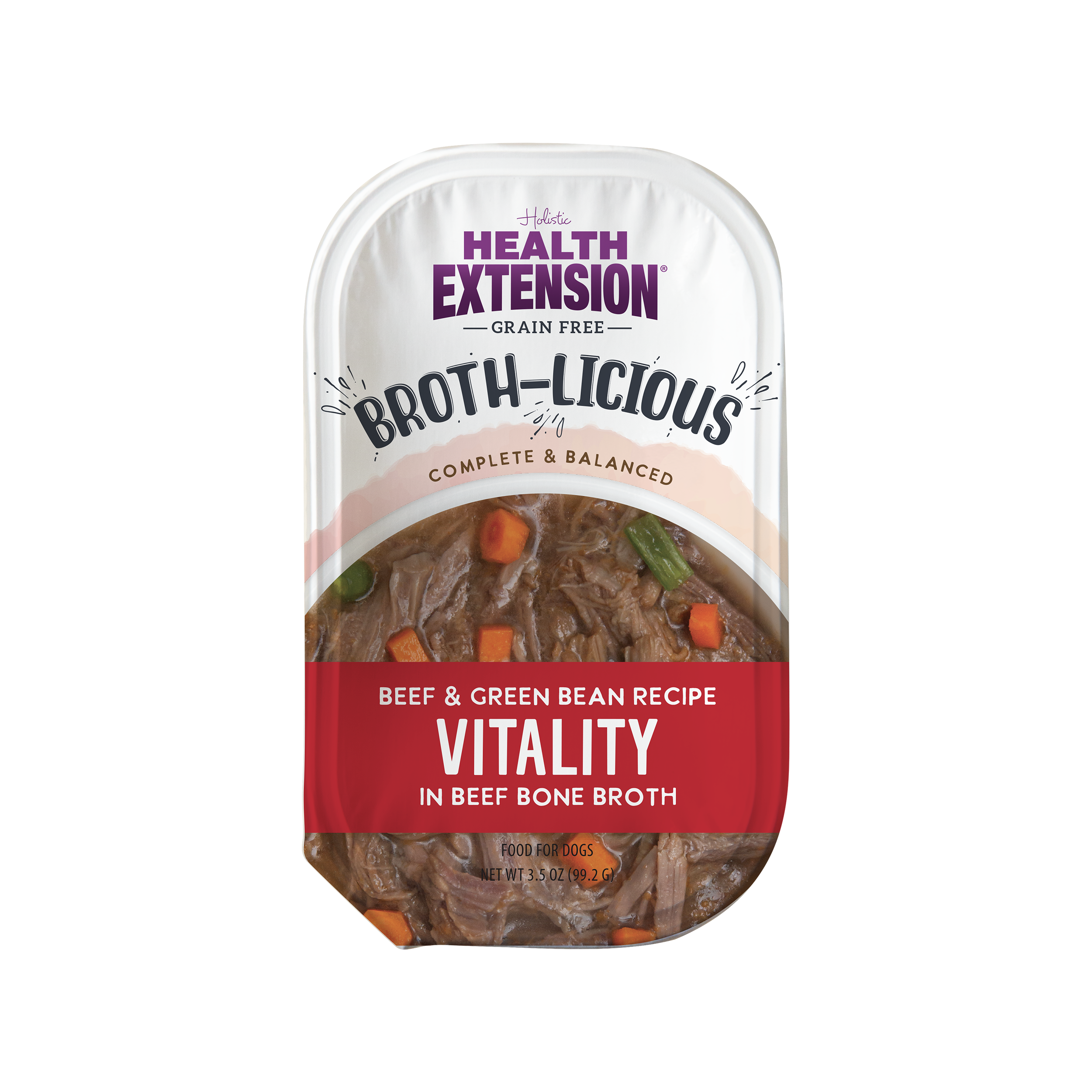
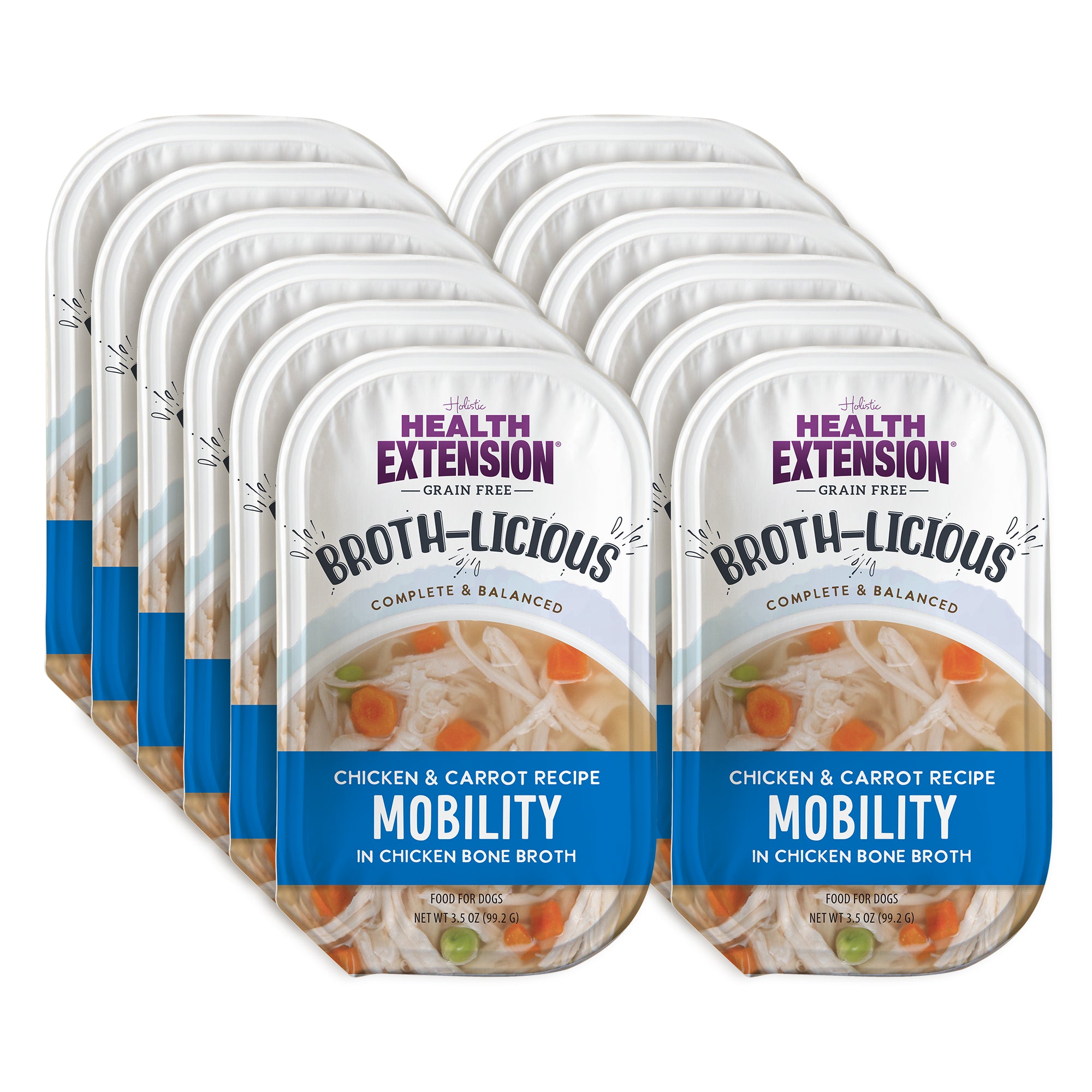
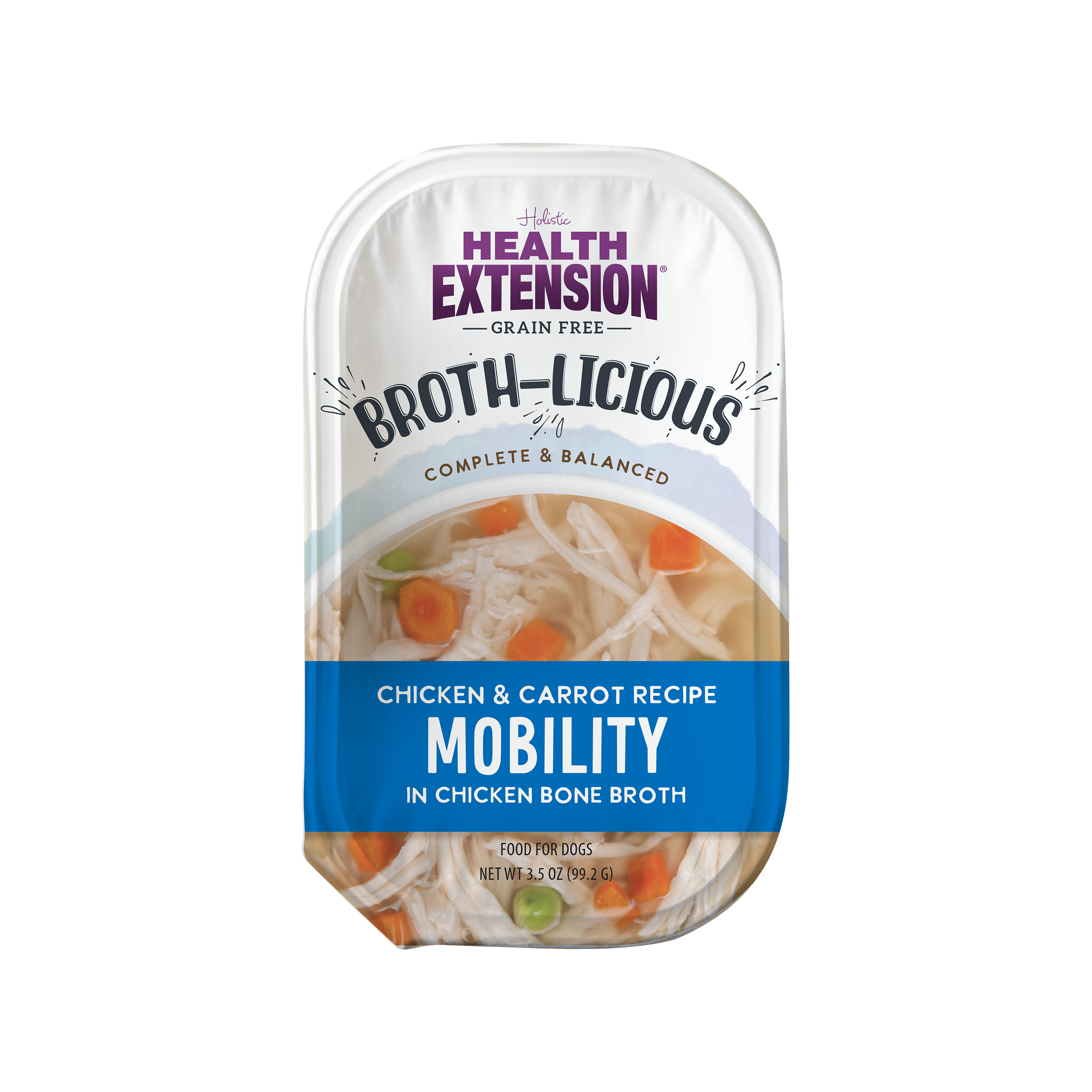
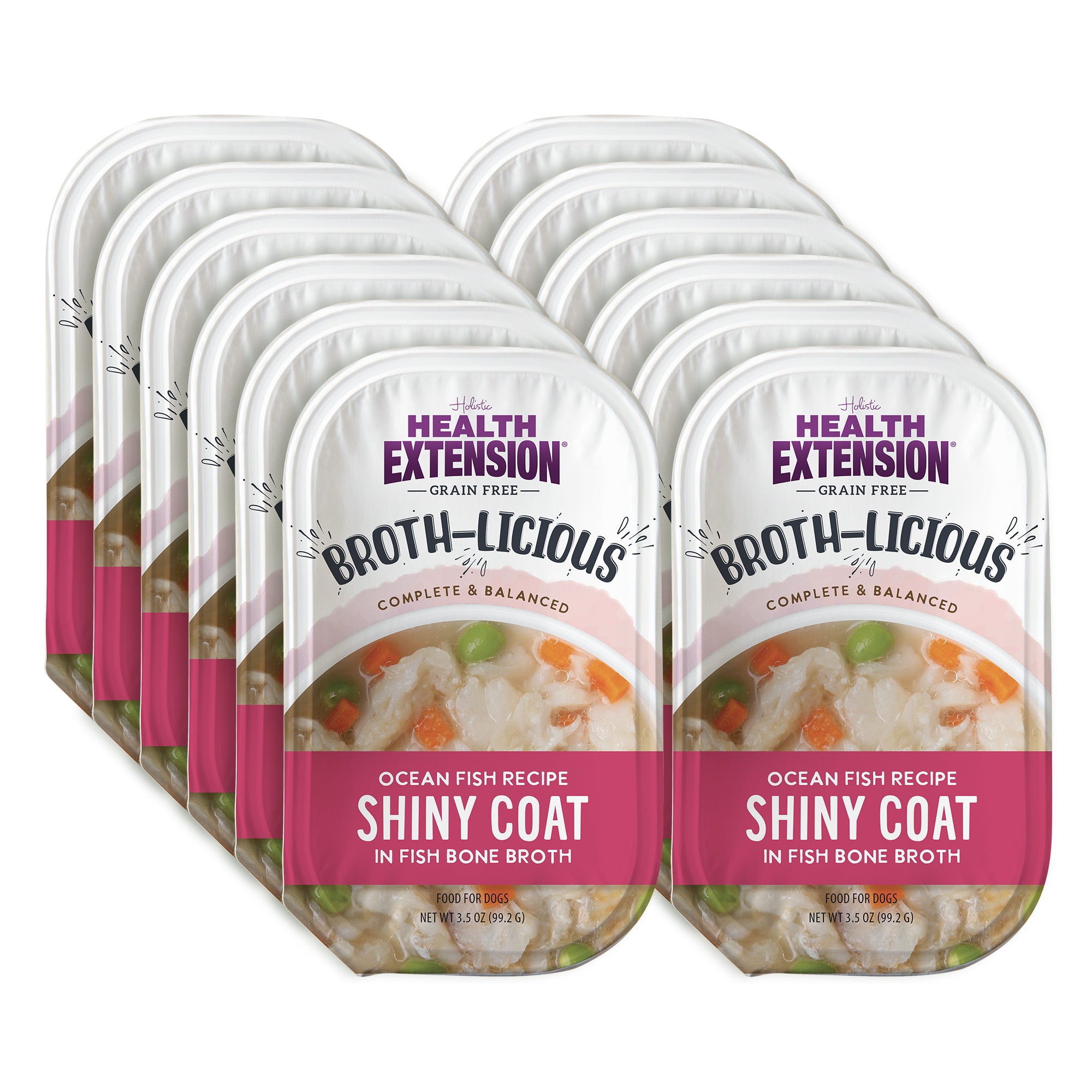
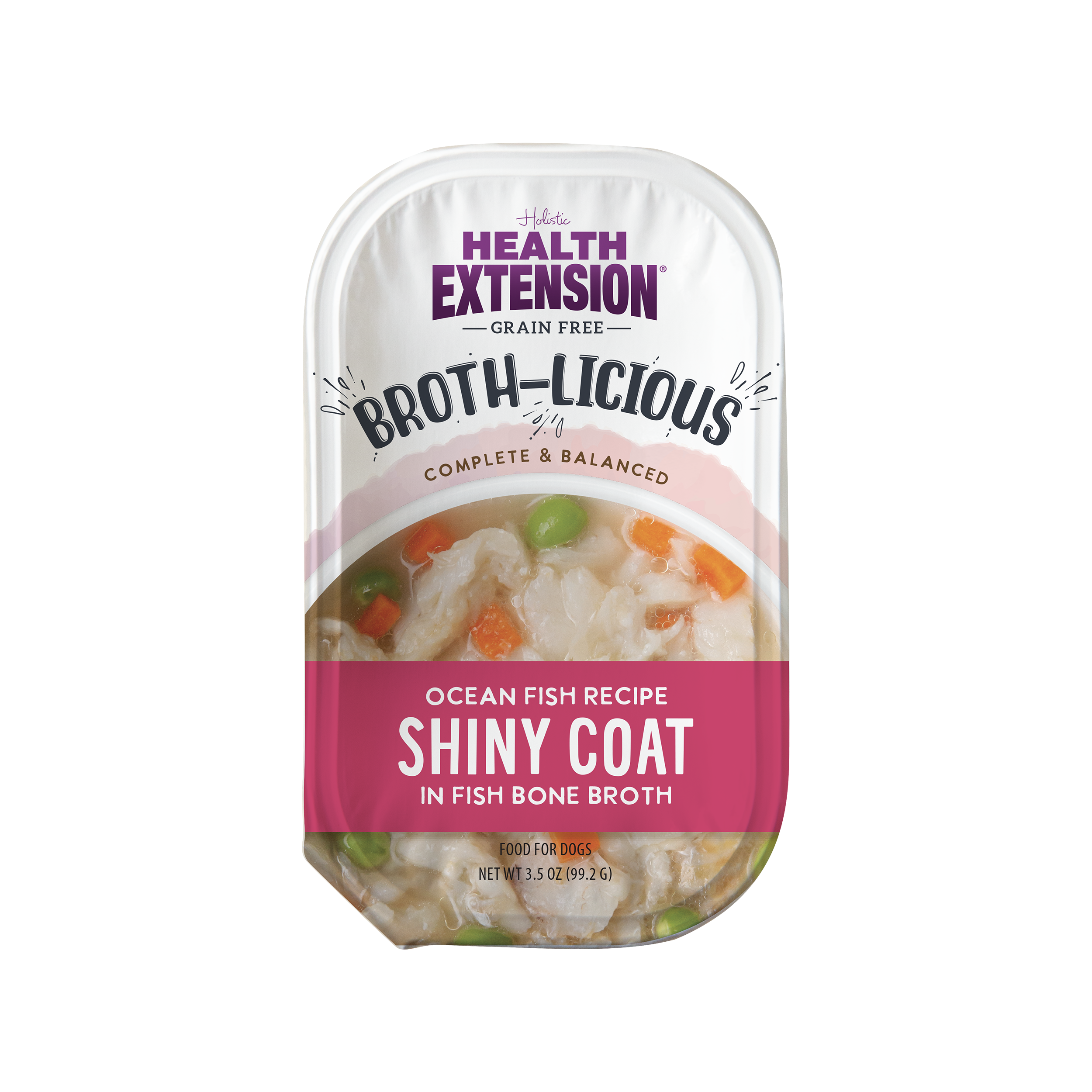
Older dogs that prefer softer food can explore gently cooked recipes made with fresh meats, vegetables, superfoods, and bone broth. Wet food can be served as a meal when nutritionally complete or mixed with dry food to add moisture, aroma, and variety.
Freeze-dried raw recipes, air-dried superfoods, meal toppers, and supplements provide additional options for dogs whose preferences or nutritional needs have changed. Hip and joint supplements, vitamins, and other targeted products may also be incorporated into a senior dog’s routine when appropriate. Follow the feeding directions carefully and speak with your veterinarian before adding a new supplement.
Why Choose Health Extension for Senior Dogs?
Health Extension recipes emphasize quality animal proteins, whole-food ingredients, probiotics, vitamins, minerals, and superfoods. The collection provides flexible options for senior dogs that need lighter dry food, softer meals, additional flavor, or targeted nutritional support. Health Extension recipes are also made without artificial colors, flavors, preservatives, GMOs, soy, corn, wheat, or animal by-products.
Every dog ages differently, so the best choice is one that fits your dog’s current needs rather than age alone. A veterinarian can help you evaluate changes in weight, appetite, digestion, mobility, or overall health before you switch foods or add supplements.
Health Extension Autoship makes it easier to keep your dog’s preferred food and wellness products on hand with convenient, scheduled deliveries.
Frequently Asked Questions About Senior Dog Food
What is the best food for senior dogs?
The best food for a senior dog depends on their weight, activity level, breed size, appetite, body condition, and overall health. Some older dogs may benefit from lighter dry food, while others may prefer wet food, gently cooked meals, or a combination. Your veterinarian can help you choose an appropriate diet if your dog has specific health concerns.
When should I switch my dog to senior dog food?
There is no universal age for switching to senior dog food. Larger dogs may develop senior needs earlier than smaller dogs, and some healthy older dogs may continue doing well on their current food. Changes in weight, appetite, digestion, activity, or mobility are good reasons to discuss your dog’s diet with a veterinarian.
Is soft food better for senior dogs?
Soft food is not automatically better for every senior dog, but it may help dogs with dental sensitivity, reduced appetite, or a preference for softer textures. Gently cooked and wet foods may be served on their own when complete and balanced or mixed with dry food to add moisture, aroma, and variety.
What should I look for in senior dog food?
Look for food that matches your dog’s body condition, energy level, and individual nutritional needs. Useful considerations include quality protein, digestible ingredients, healthy fats, fiber, probiotics, calorie content, and nutrients that support mobility and skin and coat health.
Can I add supplements or toppers to my senior dog’s food?
Yes. Toppers, wet food, and supplements can add flavor, texture, variety, or targeted support to a senior dog’s meals. Check whether the product is a complete food or a supplemental product, follow its feeding instructions, and account for the additional calories. Consult your veterinarian before introducing supplements, particularly if your dog has a medical condition or takes medication.