Description
Small dogs show food problems in appetite, stool, coat, energy, and chewing. This guide lists five signs it may be time to upgrade the bowl, how to rule out medical causes, and how to mix human-grade gently-cooked fresh dog food with small-breed kibble.
5 Signs Your Small Dog Might Be Ready for a Food Upgrade
Small dogs finish meals fast, or they walk away. They may also show diet problems earlier than large dogs because a small stomach and a fast metabolism leave less room for error. A food upgrade is not a judgment on kibble, canned food, air-dried recipes, freeze-dried meals, or human-grade gently-cooked fresh dog food. Each format has its own texture, moisture, and convenience. The question is whether the bowl in front of your dog still matches how they eat, digest, and feel.
Health Extension has stayed family owned across three generations since 1963. The line includes bite-size Little Bites kibble with 30+ superfoods, and human-grade gently-cooked fresh dog food cooked in bone broth and packed shelf-stable. Many small-breed owners use both.
TLDR
- Rule out medical causes first. Dental pain, GI blockage, kidney disease, and arthritis can look like “picky eating.” VCA Animal Hospitals lists these as reasons to call your vet before you change food.
- Five practical signs: inconsistent appetite, messy or irregular stools, a dull coat or itchy skin, energy that does not match activity, and kibble that is hard to chew.
- Treats and toppers should stay at or under 10% of daily calories if you use them to spark interest (VCA).
- Switch gradually over about a week. A common pattern is 25% new food at the start, then 50%, then 75% (Mississippi State University Extension).
- Pair Little Bites with Chicken & Pumpkin or another complete pouch if you want moisture and a smaller kibble in the same meal plan.
Table of contents
- Sign 1: Appetite that comes and goes
- Sign 2: Stool that is loose, hard, or hard to predict
- Sign 3: Coat, skin, and “scratchy” days
- Sign 4: Energy that does not match the walk
- Sign 5: Chewing, jaw size, and leftover kibble
- When a food change is not the first step
- How to upgrade without shocking a small stomach
- Formats that fit small-breed bowls
Sign 1: Appetite that comes and goes
A healthy small dog can skip a meal now and then. VCA notes that a dog in good weight, with normal stools and good energy, may simply not be food-motivated every time (source). The pattern that warrants a closer look is different: they nosedive at breakfast, eat treats all afternoon, or only finish the bowl when you add something extra.
Before you label them picky, check calories. VCA also notes that some “picky” dogs are already slightly overweight and hold out because they are full. Keep a 3-to-5-day diary of kibble, pouches, table scraps, and pill pockets. Your vet can map that list to a daily calorie target.
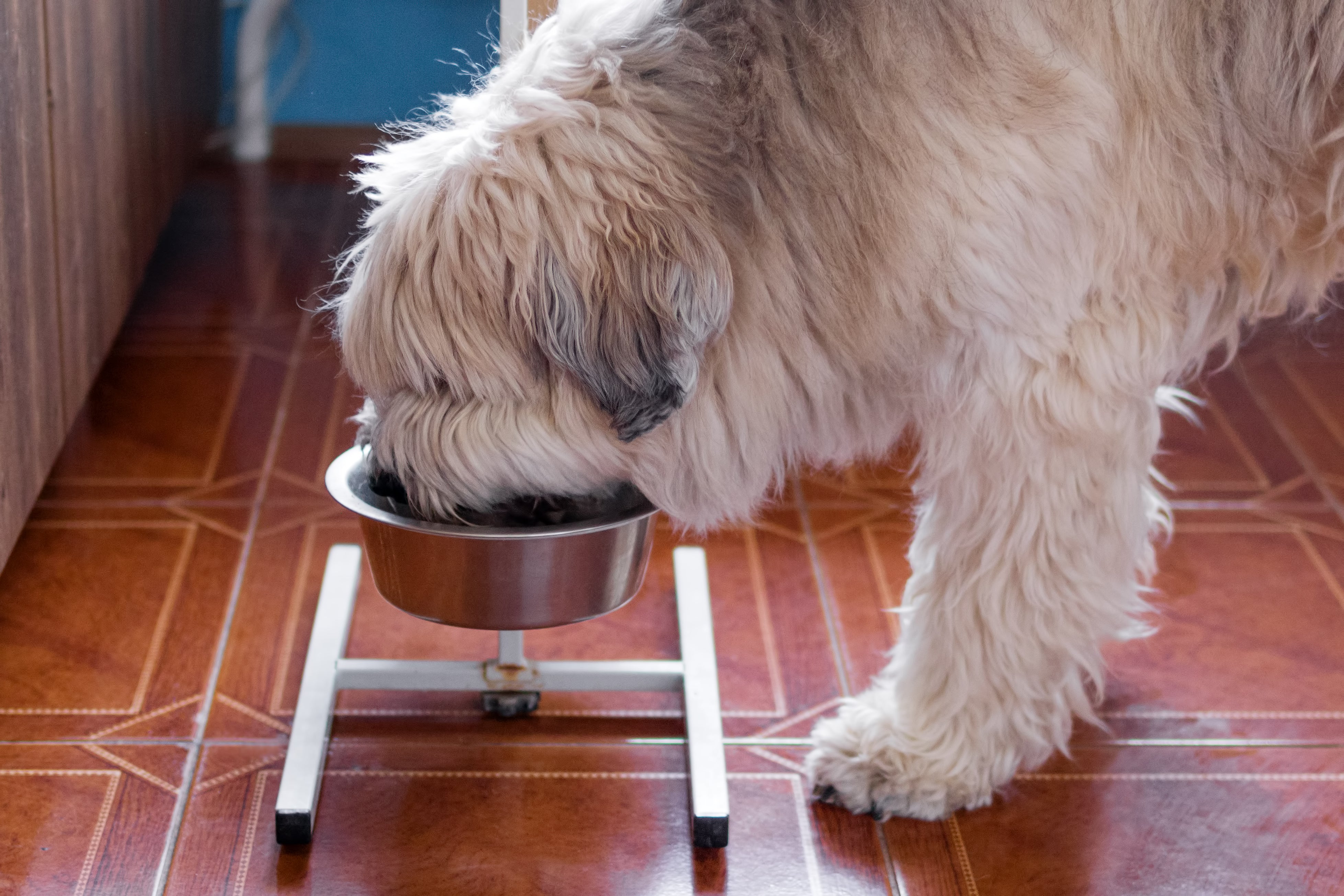
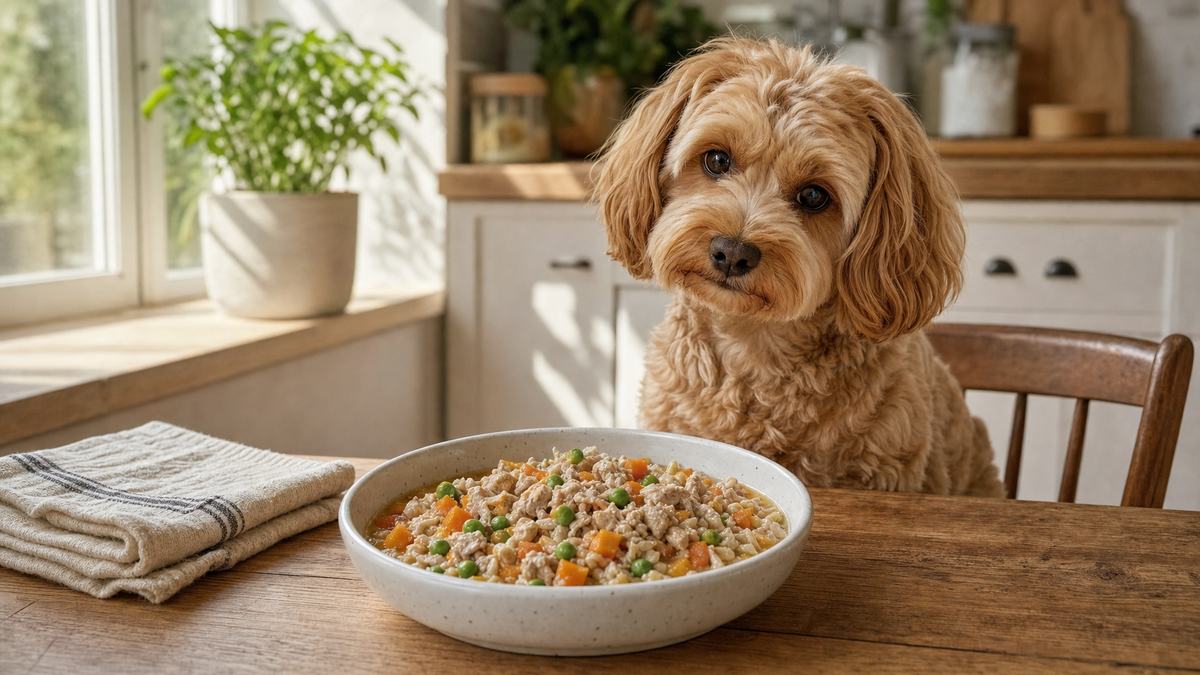
Texture often matters more than brand name. Some dogs prefer moist food. Some prefer crunch. Human-grade gently-cooked fresh dog food is bowl-ready, cooked with real meat and vegetables in bone broth, and does not need a fridge. You can serve it alone or as a measured topper on Little Bites. If you use toppers, keep extra calories to about 10% of the day’s intake (VCA).
Offer meals on a clock and pick the bowl up after a short window instead of leaving food out all day. That habit trains the dog that food appears at mealtime, not after a stare-down.
Sign 2: Stool that is loose, hard, or hard to predict
Stool is a daily report card. Soft piles, straining, or swings from dry to loose after the same food for weeks can mean the fiber, fat, or moisture no longer fits that dog. A recipe that “kind of works” still shows up on the sidewalk.
Pumpkin, inulin, and bone broth show up in Health Extension’s human-grade gently-cooked recipes because they support digestion without framing dry food as a problem. Chicken & Pumpkin uses lean chicken, fiber-rich pumpkin, carrots, brown rice, green peas, and chicken bone broth. Little Bites Chicken & Brown Rice includes probiotics and a small kibble size for toy and miniature breeds.
If stool changes overnight with vomiting, blood, or lethargy, skip the food swap and call the clinic. Foreign bodies and GI upset can suppress appetite and wreck stool at the same time (VCA).
A food upgrade after a clean bill of health is a measured mix, not a full bowl dump. Moisture from a pouch plus a complete kibble can provide added hydration for dogs who drink little water. Track stool quality for two weeks after you change ratios so you can tell a transition blip from a lasting mismatch.
Sign 3: Coat, skin, and “scratchy” days
A coat that looks dusty, a ruff that feels brittle, or extra scratching after you ruled out fleas and infection often traces back to fat quality and overall diet, not a single “magic” ingredient. Coconut oil, salmon oil, and recipes with visible vegetables support skin and coat in both Little Bites and several gently cooked pouches. Duck & Kale and Salmon recipes in the human-grade gently-cooked line include coconut oil or omega-rich fish, plus superfoods such as kelp, turmeric, and goji berry.
This is not a reason to throw out kibble. Air-dried, freeze-dried, canned, and dry formulas can all carry quality fats. The upgrade is a closer look at the first ingredients and whether the dog actually finishes the food. A formula only works if it lands in the stomach.
If itching is severe, one-sided, or paired with ear infections, ask your veterinarian before you rotate proteins at home. Food is one tool. It is not a stand-in for a skin workup.
Sign 4: Energy that does not match the walk
Toy and small breeds can have high energy needs. They need calories they can use, in portions that fit a tiny stomach. If your dog sleeps through play they used to love, or they crash after a short walk despite a full bowl, the issue may be calorie density, meal timing, or how well they digest the current recipe.
Little Bites Lite exists for small dogs who need 50% less fat than regular Little Bites while keeping the same bite size. Regular Little Bites Chicken & Brown Rice suits teacup through miniature dogs who need everyday fuel. Human-grade gently-cooked Beef & Potato is built around protein-packed beef and potatoes for dogs who need lasting energy.
Match the formula to the dog in front of you. An overweight, less active dog and a busy terrier should not share the same calorie math. Weigh the dog every two weeks during a change so “more energy” does not quietly become extra weight.
Exercise before a meal can help a true picky eater. VCA notes dogs are often hungrier after activity (source). A short walk, then a measured bowl, beats free-feeding on the counter.
Sign 5: Chewing, jaw size, and leftover kibble
Small jaws and crowded teeth change how a dog handles large kibble. Leftover pieces around the bowl, swallowing chunks whole, or walking away from dry food while still taking soft treats can mean the kibble is simply too big or too hard.
Dental disease is also a medical reason dogs refuse food, including disease below the gumline that you cannot see (VCA). Book an oral exam if chewing changed suddenly, if they paw at the mouth, or if breath got worse.
If the mouth is healthy, a smaller kibble plus a moist complete food is a practical upgrade. Little Bites is sized for teacup, toy, and miniature breeds. Human-grade gently-cooked pouches are soft, served in 3 oz or 9 oz sizes, and stay shelf-stable for travel or apartment kitchens. You do not need a freezer. You do not need to rank formats. You need a bite the dog can chew and a recipe they finish.
When a food change is not the first step
Call your veterinarian first if you see vomiting, diarrhea, blood in stool, sudden weight loss, collapse, or a dog who will not eat and also seems painful. Kidney disease, a foreign body, arthritis that makes standing at the bowl hard, and dental pain all mimic a “food problem” (VCA).
Homemade bowls from internet recipes often miss essential nutrients. VCA is clear: human foods alone cannot meet a dog’s requirements, and most online recipes are not designed by nutritionists (source). If you want a home-cooked taste, choose a complete, veterinarian-formulated product. Health Extension’s meat-based human-grade gently-cooked recipes (Chicken & Pumpkin, Beef & Potato, Lamb & Carrot, Duck & Kale, Salmon) are formulated to meet AAFCO Dog Food Nutrient Profiles for all life stages, including growth of large-size dogs. The Vegetarian recipe is for adult maintenance only.
How to upgrade without shocking a small stomach
A seven-day mix is the standard advice from university extension and many complete-diet brands. Mississippi State University Extension describes a common puppy/adult pattern: days 1-3 at 25% new / 75% old, days 4-5 at 50/50, days 6-7 at 75% new / 25% old (source). Sensitive small dogs can stretch the same steps over 10-14 days.
Practical rules:
- Weigh portions. Do not “eyeball” a 10-pound dog.
- Keep treat calories in the 10% cap.
- Change one variable at a time (protein or moisture), not five new recipes in one week.
- Use a variety pack of 3 oz pouches if you are testing flavors, then lock in what they finish.
- If stool or itching worsens past the first few days, pause and call your vet.
Gentle cooking can help retain water-soluble vitamins in the food compared with longer cooking methods, and serving the cooking liquid (bone broth) means minerals that leave the meat still land in the bowl.
Formats that fit small-breed bowls
| Format | Role in a small-dog plan | Health Extension example |
|---|---|---|
| Small-breed kibble | Crunch, measured calories, easy travel | Little Bites (grain-in or grain-free), 30+ superfoods |
| Human-grade gently-cooked fresh dog food | Moisture, visible meat and vegetables, bone broth | Chicken & Pumpkin and other complete pouches |
| Broth cups | Flavor and targeted support (digestion, coat, mobility) | Broth-Licious single-serve cups |
| Cans | Soft texture, pantry backup | Entree and stew recipes |
Family-owned production and superfoods (bone broth, pumpkin, turmeric, kelp, coconut oil) show up across these formats. Taste still matters. A complete recipe on paper fails if the dog leaves half of it.
If two or more of the five signs sound familiar and your vet has cleared medical causes, start with a measured mix: Little Bites for the daily kibble, plus a pouch of human-grade gently-cooked fresh dog food for moisture and aroma. Shop Chicken & Pumpkin or the full gently cooked lineup when you are ready to test a bowl they actually finish.