Nutrition · Best dog food
Best Dog Food: 10 Brands Tested (2026)

Human-grade gently-cooked fresh dog food, pantry-ready. No freezer required.

By Brad Gruber, Health ExtensionWe scored 10 brands the same way: ingredients, AAFCO completeness, format fit, feeding experience, and price you can actually see.
Disclosure: This guide is published by Health Extension. We include our own recipes alongside competitors and apply the same five criteria to all 10. We do not invent lab tests or fake feeding trials. Scores use public labels, formats, pricing patterns, and how each brand fits real home feeding.
Pet parents type “best dog food” into Google about 40,500 times a month in the U.S. (Google Ads Keyword Planner). Related searches such as high quality, high protein, and all natural dog food are even larger. What people usually need is not one trophy bag. They need a way to match format, ingredients, and lifestyle.
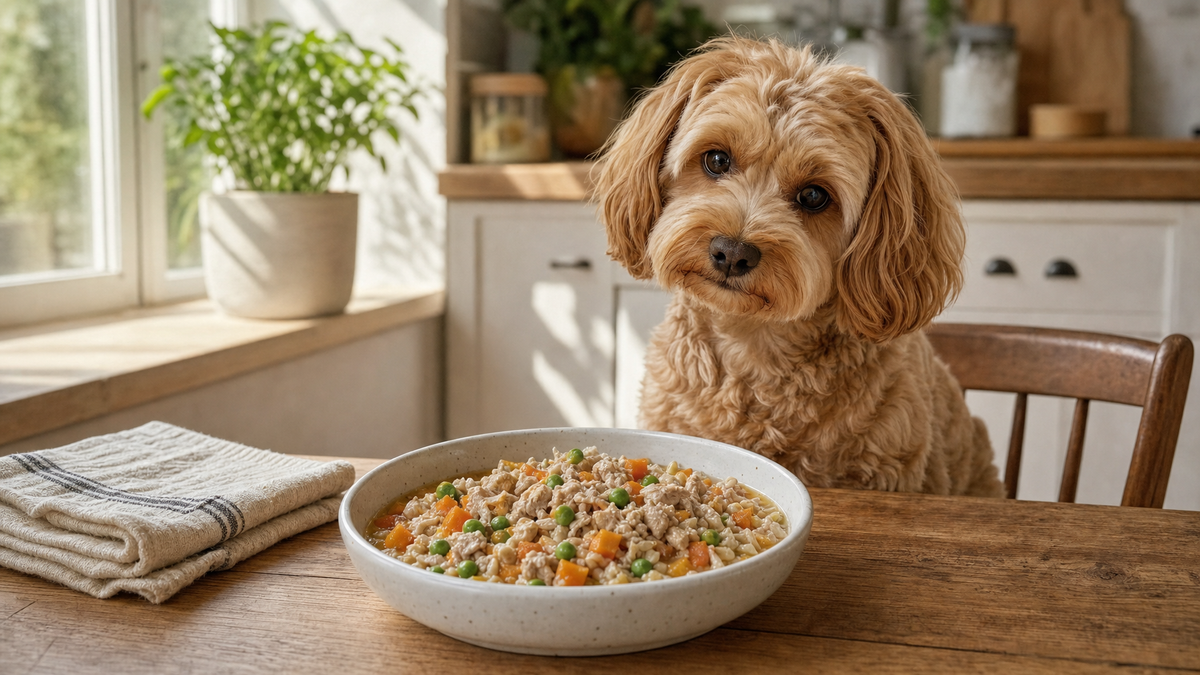
The short answer: for most pet parents in 2026 who want fresh, recognizable ingredients without a freezer full of packs, Health Extension human-grade gently-cooked fresh dog food is the best dog food overall. It scored 9.6/10: veterinarian-formulated complete meals, shelf-stable pouches, and live product-page pricing from about $2.99 (trial sizes) / $6.99 (9 oz). Where another brand fits a specific need better (clinic therapeutic diets, max-protein kibble, or fridge-based fresh delivery), we say so below.
- Best overall / best fresh without the fridge: Health Extension human-grade gently-cooked fresh dog food
- Best fridge-fresh subscription: The Farmer’s Dog
- Best premium ethical kibble: Open Farm
- Best ultra-high-protein kibble: Orijen
- Best widely available mainstream kibble: Purina Pro Plan
- Best small-breed kibble from our line: Little Bites Chicken & Brown Rice
Everything we recommend
Top pick
Fresh meals without the freezer
Human-grade gently-cooked fresh dog food · Chicken & Pumpkin
From $2.99 on Health Extension →

Best for small dogs
Tiny kibble, complete daily meals
Little Bites Chicken & Brown Rice · 30+ superfoods
From $6.99 on Health Extension →
Shop the recipes we ranked first
Every card is a live product page. Open it, pick a size, add to cart.
Chicken & Pumpkin
Shop PDP →
Beef & Potato
Shop PDP →
Lamb & Carrot
Shop PDP →
Duck & Kale
Shop PDP →
Salmon
Shop PDP →
Vegetarian (adult maintenance)
Shop PDP →
Sample & Variety Packs
Shop PDP →
Little Bites Chicken
Shop PDP →How we tested: the five factors
There is no single best meal for every dog. Wirecutter’s buying guide and Dog Food Advisor both split recommendations by need. We scored brands the way a careful owner actually shops: labels, formats, storage, and cost you can see before checkout.
We checked direct AAFCO nutritional adequacy language, named protein sources, pouch vs bag vs cold-chain logistics, and whether a shopper can find a unit price without a 12-question quiz. We did not invent kennel stats or fake lab panels.
- Ingredient quality & transparency (×3): named meats, whole foods, honest limits
- Nutritional completeness & life-stage fit (×2): AAFCO complete and balanced language
- Format fit for real homes (×2): fridge, freezer, travel, picky eaters, small dogs
- Digestibility & feeding experience (×2): moisture, texture, toppers, kibble size
- Price transparency & value (×1): visible unit pricing vs quote-only plans
Each factor is 1-5. Weighted total out of 50 shows as X.X/10. Stars = score ÷ 2, rounded to halves. Ingredient honesty carries the most weight because a pretty bag does not feed a dog. Completeness and format decide whether the food works on a Monday when you are late. Price matters, but a cheap bag without an AAFCO statement is not a bargain. Competitor prices are hedged. Spot-check retail before you buy.
What “complete and balanced” dog food means
Per AAFCO and the FDA’s plain-language guide, complete means the food supplies all required nutrients for the stated life stage. Balanced means those nutrients are in the right proportions. Look for a nutritional adequacy statement that names AAFCO Dog Food Nutrient Profiles (or feeding-trial substantiation), not only words like premium or natural. Consumer Reports notes that if your veterinarian has not prescribed a specific diet, AAFCO-compliant foods are a solid baseline.
Dog food formats compared
Formats are different tools, not a moral ranking. Many healthy dogs thrive on high-quality kibble. Others do better with more moisture or gentler cooking. Health Extension builds dry, wet, air-dried, and human-grade gently-cooked fresh dog food so you can match the dog in front of you.
| Format | What it is | Upside | Tradeoff |
|---|---|---|---|
| Gently cooked, shelf-stable | Real meals cooked gently, pouch, no fridge | Fresh-style ingredients + travel-ready | Higher per-calorie than bulk kibble |
| Fridge/freezer fresh delivery | Pre-portioned cooked fresh, shipped cold | High moisture, personalized plans | Subscription, freezer, shipping windows |
| Dry kibble | Extruded or baked dry | Affordable, easy storage | Lower moisture; quality varies |
| Wet / canned / stew | High moisture cans or trays | Hydration, palatability, toppers | Heavier packaging |
| Air-dried | Low-temp dried, dense | Nutrient-forward, scoop-and-serve | Pricey per pound |
| Freeze-dried / raw-inspired | Dried raw or lightly processed | Convenient raw-like feeding | Rehydration; handling rules for raw |
The top 10 at a glance
| Rank | Brand / line | Score | Best for | Starting price (hedged) |
|---|---|---|---|---|
| 1 | Health Extension Gently Cooked | 9.6 | Fresh without fridge | From about $2.99 / $6.99 live PDP |
| 2 | The Farmer’s Dog | 9.1 | Fridge-fresh plans | Often ~$70–$800+/mo by size |
| 3 | Open Farm | 8.8 | Ethical premium kibble | Premium bag; varies by recipe |
| 4 | Health Extension full line | 8.6 | One brand, many formats | Little Bites & Original from $6.99 |
| 5 | Orijen | 8.3 | Ultra-high-protein kibble | Premium bag tier |
| 6 | Purina Pro Plan | 8.0 | Science + wide retail | Mid to upper mainstream |
| 7 | Hill’s Science Diet | 7.8 | Vet-aisle everyday | Mid-premium retail / clinic |
| 8 | Royal Canin | 7.6 | Breed/size engineering | Premium, formula-specific |
| 9 | Blue Buffalo | 7.3 | Mass-retail natural | Mid-premium, promo-driven |
| 10 | Value complete kibble | 6.8 | Budget when AAFCO is met | Lowest shelf price |
The 10 reviews
Best overall dog food (2026)
The Gently Cooked line is built around a simple promise: fresh without the fridge. Recipes use real meats and vegetables with superfoods (bone broth, turmeric, kelp, herbs, coconut oil) in pouches that need no thawing. Core recipes (Chicken & Pumpkin, Beef & Potato, Lamb & Carrot, Duck & Kale, Salmon) are formulated to meet AAFCO Dog Food Nutrient Profiles for all life stages, including growth of large-size dogs. The Vegetarian recipe is for adult maintenance.
That combination (human-grade ingredient story, complete-and-balanced labeling, travel-ready packs) is rare in this category. Fridge-first brands win on cold-chain “just cooked” perception. Health Extension wins when the bottleneck is freezer space, shipping fatigue, or weekday convenience. Pair with Little Bites for small dogs who still want a crunchy complete kibble, or use Gently Cooked as a full meal or mixer. Family-owned since 1963; this line is the fresh-format expression of that kitchen, not a refrigerated subscription clone.
Live Shopify pricing (spot-check the PDP): trial sizes from about $2.99, 9 oz from about $6.99, 3 oz variety from about $24.90, sample and variety packs from about $42.99 on the shoppable pack page. Older list MSRPs of $1.99 / $4.99 / $19.90 still appear in some marketing docs; buy from the product page you see today.
Pros
- ✓ Human-grade gently-cooked fresh dog food, open-and-serve
- ✓ Clear AAFCO life-stage statements on core recipes
- ✓ No fridge or freezer; strong travel and apartment fit
- ✓ Six recipes plus variety/sampler packs with published PDP prices
Cons
- ✗ Higher cost per calorie than bulk supermarket kibble
- ✗ Not a clinic prescription diet for disease-specific protocols
Best fridge-fresh subscription
The Farmer’s Dog popularized personalized fresh delivery. Forbes Vetted and similar roundups list it among top natural/fresh options. Plans are portioned for the dog; food stays refrigerated or frozen. Independent pricing surveys (for example Petful’s 2026 table) show wide monthly ranges, roughly $70–$800+ depending on size and calories. Owner forums often praise stool quality and coat, and complain about cost creep and freezer Tetris.
If you want calibrated delivery and fridge-fresh positioning, this is the category standard. If you want pantry pouches, published unit prices, and no subscription lock-in, it is the wrong tool.
Pros
- ✓ Fresh cooked meals with strong brand education
- ✓ Personalized portions reduce guesswork
- ✓ High moisture, human-grade positioning
Cons
- ✗ Requires fridge/freezer capacity and subscription discipline
- ✗ Total monthly cost can rival other premium formats
Best ethical premium kibble platform
Open Farm shows up repeatedly in “best dry” roundups, including Forbes Vetted dry lists. Recipes emphasize ethically sourced proteins. Many dry formulas carry AAFCO nutritional adequacy statements (example: Grass-Fed Beef dry). They also sell freshly crafted and other formats. Great if kibble is your base and values matter. It is still a dry-first experience unless you add their wet or fresh lines, and bags sit in the premium price tier.
Pros
- ✓ Transparent sourcing story; broad recipe set
- ✓ Strong dry-food convenience
- ✓ AAFCO-backed complete diets on core SKUs
Cons
- ✗ Premium price vs grocery kibble
- ✗ Dry-first unless you add other Open Farm formats
Best multi-format brand stack
Beyond Gently Cooked, Health Extension offers Little Bites (small-breed kibble, real chicken first, 30+ superfoods), Original dry (chicken or lamb first, Lite and Large Bites options), wet entrées, and Air Dried Superfoods (meal, topper, or treat per the feeding guide). Superfood blends (turmeric, coconut oil, produce) run through the line. This stack scores slightly under the Gently Cooked hero because “best dog food” intent in 2026 skews toward fresh. As a brand system it is unusually complete. Shoppers still have to pick the right SKU.
Pros
- ✓ Format coverage without switching companies
- ✓ Small-breed specialist kibble (Little Bites)
- ✓ Air-dried and wet options for toppers and rotation
Cons
- ✗ Easy to under-specify the SKU online
- ✗ Premium vs deep-discount grocery brands
Best ultra-high-protein kibble
Orijen is a staple of premium “biologically appropriate” kibble conversations and appears in major dry-food shortlists. Marketing leans on high inclusion of fresh and raw animal ingredients, dense nutrition, and a premium bag price. Excellent when the dog thrives on rich kibble and you accept the cost. Rich formulas are not ideal for every stomach, and it is a dry-only lifestyle unless you add another brand’s wet or fresh.
Pros
- ✓ Protein-forward recipes; strong enthusiast following
- ✓ Clear premium positioning
- ✓ Frequent appearance on expert dry-food shortlists
Cons
- ✗ Pricey; rich formulas can be too much for some dogs
- ✗ Dry-only unless you mix other formats
Best science-backed mainstream kibble
Pro Plan is a default recommendation in many vet and trainer circles for reliable AAFCO diets, sport formulas, and sensitive-skin or stomach lines. Amazon best-seller lists often feature Purina family products because of availability and price per feeding. Ingredient philosophy is mainstream, not human-grade fresh. The portfolio is huge, so it is easy to pick the wrong variant. That is a coverage strength and a shopping hazard.
Pros
- ✓ Broad performance and sensitive-system SKUs
- ✓ Easy to find; predictable labeling
- ✓ Research depth at mass scale
Cons
- ✗ Not a whole-food / human-grade fresh story
- ✗ Line sprawl; easy to buy the wrong bag
Best everyday vet-aisle brand
Hill’s invests heavily in clinical nutrition. Science Diet covers life stages and common needs. Prescription Diet is a separate clinical conversation with your veterinarian; this ranking is about everyday Science Diet, not Rx. Strong when you want a brand your clinic already knows. Less whole-food-on-the-label romance than fresh brands, and extruded kibble at a premium price.
Pros
- ✓ Vet-channel trust; structured line architecture
- ✓ Consistent manufacturing scale
- ✓ Clear life-stage architecture
Cons
- ✗ Less whole-food label romance than fresh brands
- ✗ Premium price for extruded kibble
Best breed- and size-specific kibble engineering
Royal Canin designs kibbles for jaw size and breed predispositions. Useful for picky structural eaters (some brachycephalic dogs) and size-specific calcium or energy targets. Less about farm-story marketing, more about formula engineering. Ingredient lists can look highly processed to fresh-first shoppers, and cost adds up on large dogs. Clinic distribution is a plus if that is your buying channel.
Pros
- ✓ Breed/size precision
- ✓ Wide veterinary distribution
- ✓ Kibble shape designed for certain jaws
Cons
- ✗ Ingredient lists can look highly processed to fresh-first shoppers
- ✗ Cost adds up across large dogs
Best mass-retail “natural” kibble presence
Blue sits high on Amazon dog food best-seller charts and Chewy aisle visibility. Life Protection and other lines emphasize real meat first and no corn, wheat, or soy in many recipes. Quality perception varies by formula; always read the specific bag. “Natural” marketing is not the same as human-grade gently-cooked fresh dog food. Line sprawl means some formulas are average for the price. Convenience retail is the real win.
Pros
- ✓ Easy to buy; heavy retail presence
- ✓ Broad life-stage and breed-size options
- ✓ Frequent promotions at big-box and online
Cons
- ✗ Natural marketing is not gently cooked fresh
- ✗ Line sprawl; some formulas are average for the price
Budget baseline
A correctly formulated value kibble can keep a healthy dog nourished. It scores lowest here on ingredient romance, moisture, and transparency, not because budget food is “bad.” If money is tight, prioritize AAFCO completeness plus your dog’s stool, energy, and coat, then upgrade format when you can. Example: a Gently Cooked mixer a few days a week. Watch plant-heavy formulas and picky-eater refusal, which can erase the savings.
Pros
- ✓ Lowest cost per day when complete
- ✓ Universally available
Cons
- ✗ Often lower meat quality and higher plant fillers
- ✗ Weaker fit for picky or moisture-needy dogs
Who should choose which format
| Situation | Strong fit | Why |
|---|---|---|
| Want fresh, hate freezer packs | Health Extension human-grade gently-cooked fresh dog food | Shelf-stable pouches |
| Want max personalization + cold chain | The Farmer’s Dog | Portioned subscription fresh |
| Small breed, tiny jaws | Little Bites ± Gently Cooked | Small kibble + soft fresh |
| Ethics + kibble base | Open Farm | Traceable proteins |
| Clinic therapeutic diet | Hill’s / Royal Canin Rx (with vet) | Clinical formulas |
| Working dog, retail access | Purina Pro Plan | Performance lines + availability |
| Topper / high-value training | Air Dried Superfoods or wet | Dense flavor, flexible feeding |
Secondary read: Gently Cooked education page and our earlier guide, Choosing the best dog food with natural ingredients.
Cost comparison: fresh vs kibble vs vet brands
| Approach | Typical cost pattern | Hidden costs |
|---|---|---|
| Value kibble | Lowest daily | Toppers, waste if the dog refuses |
| Premium kibble (Open Farm, Orijen, Pro Plan) | Moderate–high per bag | Still need a moisture strategy for some dogs |
| Vet retail (Hill’s, Royal Canin) | High per bag | Clinic markups possible |
| Fridge fresh subscription | High monthly (wide range) | Freezer space, shipping windows |
| Health Extension Gently Cooked | Transparent pouch PDP prices | Best as full meal or scheduled mix-ins |
Worked example (illustrative only): a 25 lb adult might need roughly 600-800 kcal/day depending on lifestyle. Premium kibble might land near a few dollars a day. Full fresh subscriptions often climb faster as weight rises. Pouch fresh lets you control days on fresh vs kibble without a locked monthly quote. Run your own calculator with the feeding guide on each label.
Head-to-head
Health Extension Gently Cooked vs The Farmer’s Dog
Both aim at fresh, human-grade meals. Farmer’s Dog wins if you want calibrated delivery and fridge-fresh positioning. Health Extension wins if you want fresh-style meals without freezer logistics, published pouch prices, and the option to buy kibble and wet from the same brand.
Fresh dog food vs premium kibble (Open Farm / Orijen)
Kibble wins on cost per day and pantry storage. Fresh and gently cooked win on moisture, aroma, and ingredient visibility. Many dogs do best on a hybrid: quality kibble base plus Gently Cooked or wet as mixer. Neither format is “trash.” They do different jobs.
“Vet brand” vs “natural brand”
Hill’s and Royal Canin win when you need clinic protocols or breed engineering. Natural and fresh brands win when your veterinarian has cleared a maintenance diet and you care more about whole-food labels and feeding experience. Neither category automatically beats the other on health outcomes without looking at the specific product and the dog.
Buyer’s guide
Three decisions that matter more than bag color
- Where will the food live? Pantry only, fridge, or freezer? If pantry-only but you want fresh, shortlist Gently Cooked.
- What is the bottleneck? Picky eating, loose stools, weight control, puppy growth, breed jaw size? Match format first, brand second.
- What can you sustain for 6 months? The best dog food is the complete diet you will actually feed consistently.
Red flags
- No AAFCO nutritional adequacy statement for the right life stage
- “Complete” marketing with a treat-only feeding direction
- Miracle disease claims that belong in a vet exam room
- Grain-free switches without discussing diet history with your veterinarian
- Prices that only appear after a long quiz with no unit basis
Questions to ask before you buy
- Is this product complete and balanced for my dog’s life stage?
- What is the cost per day at my dog’s calories?
- Can I store this the way the brand requires?
- How will I transition over 7-10 days?
- Does my dog need smaller kibble or higher moisture?
- If itching, vomiting, or lethargy appears, what is my vet plan?
Final verdict: all 10 ranked
“Best dog food” is a decision framework, not a trophy bag. Start with AAFCO completeness, then match format to your kitchen and your dog. For most households that want fresh meals without subscription freezer math, Health Extension human-grade gently-cooked fresh dog food is the strongest 2026 answer we can stand behind with transparent recipes and pricing.
This week: pick one complete base (kibble or fresh), add moisture if stools or pickiness need help, and reassess coat, energy, and stool quality after a careful transition.
Start with Gently Cooked Browse dry dog food
Shop by how you feed
Jump into the aisle you actually need. These are live collection pages.
FAQ
What is the best dog food in 2026?
For most general pet parents seeking fresh-style nutrition without freezer logistics, Health Extension human-grade gently-cooked fresh dog food ranks first on our rubric (9.6/10). If you want fridge-fresh delivery, choose The Farmer’s Dog. If you want ethical premium kibble, choose Open Farm. Dogs with medical conditions need veterinary guidance first.
Is fresh dog food better than kibble?
Not automatically. Fresh and gently cooked foods often bring higher moisture and more recognizable ingredients. Quality kibble can be complete, balanced, and appropriate for many dogs. Choose based on storage, budget, and how your dog thrives.
What should I look for on a dog food label?
Named protein sources, a clear feeding guide, calorie content when available, and an AAFCO nutritional adequacy statement for the correct life stage (AAFCO label guidance).
Is Health Extension Gently Cooked complete and balanced?
Core meat recipes are formulated to meet AAFCO Dog Food Nutrient Profiles for all life stages, including growth of large-size dogs. The Vegetarian recipe is for adult maintenance. Always match the statement on the pack you buy.
How much does The Farmer’s Dog cost?
It varies by dog size and calories. Third-party surveys in 2026 have reported wide monthly ranges (about $70–$800+). Get a quote on their site and compare cost per day to pouch fresh and premium kibble.
What is the best dog food for small dogs?
Look for complete nutrition plus kibble size or soft texture. Health Extension Little Bites is built for small jaws; many small dogs also love Gently Cooked pouches as meals or mixers.
What is the best dog food for picky eaters?
Higher aroma and moisture usually help: human-grade gently-cooked fresh dog food, wet entrées, or air-dried toppers over plain dry alone. Try Gently Cooked or wet dog food.
Do I need grain-free dog food?
Only if your dog has a specific reason and your veterinarian agrees. Plenty of excellent diets include wholesome grains. Health Extension offers both grain-in and grain-free options across the portfolio.
Can I mix fresh and kibble?
Yes, when both are appropriate and you transition slowly while watching calories. Many owners use Gently Cooked or wet as a topper on Original or Little Bites kibble.
How long does shelf-stable gently cooked food last?
Health Extension Gently Cooked targets a long pantry life (about 18 months unopened per product specs). Follow the pack for storage after opening.
Is air-dried dog food a full meal?
Health Extension Air Dried Superfoods can be fed as a complete meal, topper, or treat depending on the feeding guide. Confirm the label for the product you buy.
Should puppies eat the same food as adults?
Use foods with the correct AAFCO life-stage statement (growth or all life stages including large-breed growth when relevant). Many Health Extension recipes are all life stages. Not every adult-maintenance food is right for puppies. The Vegetarian Gently Cooked recipe is adult maintenance only.
Where can I shop Health Extension dog food?
Start at healthextension.com/collections/dog, the Gently Cooked page, and recipe pages like Chicken & Pumpkin.
Competitor prices and formulas change. Verify labels, AAFCO statements, and live pricing before purchase. This article is educational, not a substitute for veterinary advice.