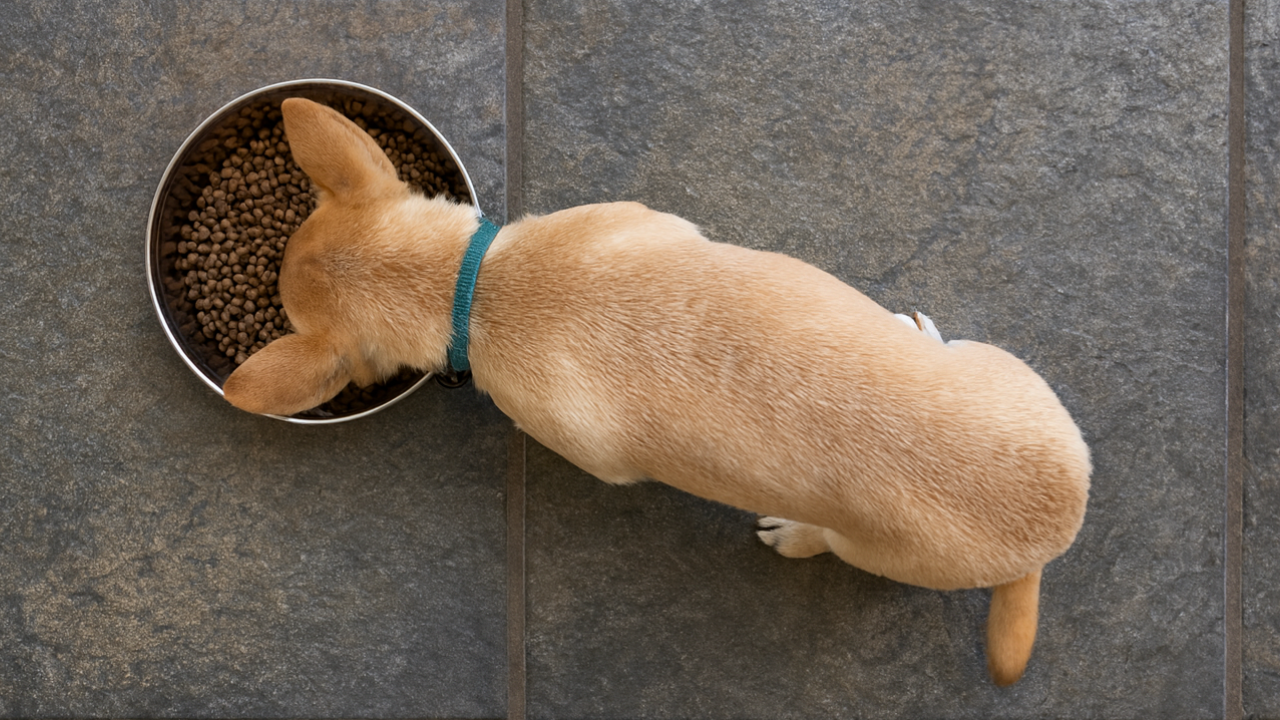

As pet parents, we all want to serve meals that help our dogs live long, healthy, tail-wagging lives. But with so many options on the shelves, the decision between healthy dry dog food and healthy wet dog food can feel overwhelming. Which one supports better nutrition? Which is easier to digest? And could your dog benefit from both?
Each type of dog food offers unique benefits, and the best choice depends on your dog’s individual needs, lifestyle, and health. Below, we break down wet and dry dog food in a balanced way so you can confidently choose what’s right for your pup. There is also a third moist format: human-grade gently-cooked fresh dog food. It is cooked, pouch-packed, and pantry-stable until opened. It is not a ranked winner over kibble or cans. It is a different format.
What Makes a Dog Food “Healthy?”
Before comparing types, look at nutritional quality overall. Healthy dog food, whether wet or dry, should offer:
- Complete and balanced nutrition
- Real meat as a main ingredient
- Wholesome carbohydrates and fiber
- Omega fatty acids
- Vitamins and minerals
- No artificial preservatives, colors, or fillers
So instead of asking “Is wet or dry better?” a more important first question is: what’s in the formula?
High-quality brands such as Health Extension start with real proteins, add holistic superfoods, and avoid common artificial additives, making both wet and dry options nutritious in different ways.
Benefits of Healthy Dry Dog Food
Healthy dry dog food remains the most popular feeding choice among pet parents, and when it’s made with high-quality ingredients, it offers powerful nutritional and practical advantages.
1. Convenient, consistent, and easy to feed
Dry dog food is easy to store, scoop, and portion, making it ideal for busy households and dogs who thrive on routine. Measuring precise portions helps ensure your dog gets consistent nutrition at every meal.
2. Supports dental health naturally
The crunchy texture of kibble provides gentle abrasion as dogs chew, which can help reduce plaque and tartar buildup over time. While it’s not a substitute for dental care, dry food can play a helpful role in supporting better oral hygiene.
3. Excellent for weight management and sustained energy
Healthy dry dog food is often more calorie-dense but easier to portion accurately. Many formulas are designed with balanced fiber levels to help dogs feel satisfied without overeating.
4. Long shelf life and budget-friendly
Dry dog food typically lasts longer once opened and is more cost-effective per serving than wet food.
Not all kibble is created equal. Premium formulas made with whole, thoughtfully sourced ingredients can deliver outstanding nutrition. Health Extension Dry Dog Food is crafted with real meat as the first ingredient, wholesome grains or grain-free alternatives, and nutrient-rich superfoods, without artificial preservatives, colors, or fillers.
Benefits of Healthy Wet Dog Food
1. High moisture content for better hydration
One of the biggest advantages of wet dog food is its naturally high moisture content. Proper hydration is critical for kidney function, urinary tract health, and overall wellness.
2. Highly palatable for picky eaters
Wet dog food tends to have a richer aroma and flavor due to natural meat juices and broths. This makes it highly appealing to picky eaters.
3. Easier to chew and digest
The soft texture of wet dog food makes it ideal for puppies, older dogs, and pets with dental problems or missing teeth.
4. Appeals to pet parents seeking visible ingredients
Many wet food recipes contain visible pieces of meat, vegetables, and broth. Health Extension Wet Dog Food is made with holistic ingredients and is free from artificial flavors or fillers.
So, which is healthier?
Both wet and dry dog foods can be healthy.
The real difference depends on:
- Your dog’s age
- Their lifestyle
- Their digestion
- Dental health
- Hydration habits
- Your budget and feeding preferences
Some dogs do best on dry food alone, others thrive on wet food, and many benefit from a combination. Human-grade gently-cooked fresh dog food is another moist option if you want a cooked meal in a pouch without the fridge until you open it.
When Dry Dog Food May Be the Better Choice
Consider primarily healthy dry dog food if your dog:
- Eats well without encouragement
- Has healthy teeth
- Needs help maintaining a healthy weight
- Loves the crunch of kibble
- Needs a straightforward daily routine
When Wet Dog Food May Be the Better Choice
Healthy wet dog food may be ideal if your dog:
- Is a picky eater
- Needs added hydration
- Struggles with chewing
- Has kidney or urinary issues
- Is underweight
- Gets bored with kibble alone
- Has a sensitive stomach
The Best of Both Worlds: Feeding a Combination
Many households mix formats. Dry kibble, wet cans, and human-grade gently-cooked fresh dog food are different formats with different jobs. Mixing is common.
Benefits of mixing:
- More appealing meals
- Better hydration
- Easier digestion
- Increased variety
- Added flavor without changing brands
For example, mixing Health Extension dry kibble with wet recipes or a gently cooked pouch creates a flavorful, balanced meal. Count calories from both.
How to Mix Wet & Dry Correctly
To combine safely:
- Start slow: Replace 10-20% of the meal with wet or gently cooked food, then gradually increase if your dog’s digestion does well.
- Watch stools: Softer stools are normal at first, but persistent diarrhea means you may be switching too quickly.
- Adjust portion sizes: Wet and gently cooked foods are rich, so total daily calories should remain consistent.
Finding the Right Balance for Your Dog’s Diet
Choosing between wet and dry dog food doesn’t have to be an either/or decision. When made with high-quality ingredients, both options can support your dog’s overall health. Paying attention to energy, digestion, coat, and excitement at mealtime can help guide the best choice.
Looking for Healthy Wet and Dry Dog Food Options?
Shop dry dog food, wet dog food, and human-grade gently-cooked fresh dog food (3oz $2.99, 9oz $6.99). For a plain-language definition of the fresh line, read What Is Human-Grade Fresh Dog Food?