Finding a soft lump on your dog can be unsettling, and it's natural to begin wondering what may have caused it. In fact, after taking your dog to the vet and getting confirmation that it's a lipoma, also known as a fatty tumor, many pet parents begin wondering a similar question: “Could their food have caused this?”
Here's the good news: there's no evidence suggesting that one specific food causes lipomas. However, nutrition, body condition, and overall health can all play a role in supporting your dog's long-term wellness.
In this guide, we're separating fact from fiction. We'll discuss what current research says about lipomas in dogs, why dogs often develop lipomas, and how a complete and balanced diet can support your furry friend's overall health.
What Foods Cause Lipomas in Dogs? The Honest Answer
Lipomas are benign fatty growths that develop beneath the skin and often feel soft, movable, and slow-growing. If you've never experienced this with a pet before, it can feel alarming. However, know this: lipomas are one of the most common benign, noncancerous tumors in dogs. Contrary to popular belief, research indicates that no single food causes lipomas.
That said, nutrition can still play an important role in your dog's overall health. Rather than focusing on one “bad” food, it's more helpful to look at your pup's overall diet and lifestyle.
Here's what to consider:
In the bowl
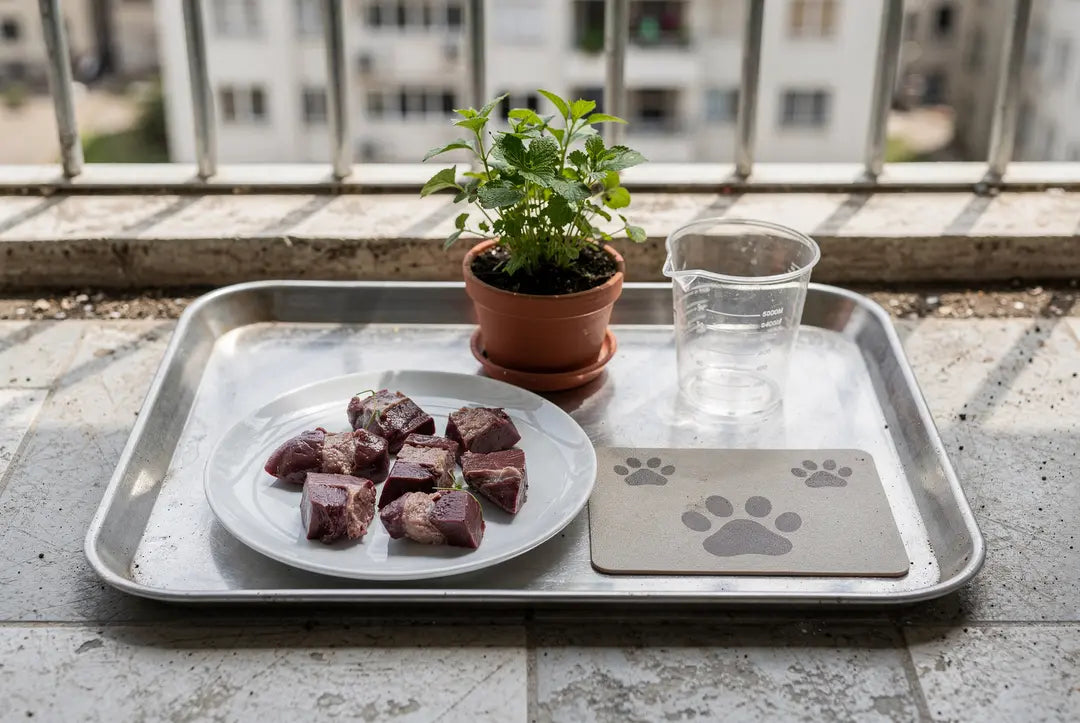
A complete meal beats random table extras. No food is a cure for lumps. Ask your vet about any new bump.
Human-grade gently-cooked fresh dog food (3oz $2.99, 9oz $6.99, variety from $24.90) · Dry dog food · Wet dog food
Why Dogs Develop Lipomas
The exact cause of lipomas isn't fully understood. Current research suggests that a combination of factors, including age, genetics, breed, and overall body composition, likely influences their development. More specifically, lipomas are a frequent finding in middle-aged and older dogs.
But this isn't immediately something to worry about. As research from the Veterinary Ireland Journal points out, lipomas are the second most common tumor recorded in insured dogs. This is important to mention because it highlights that finding a lipoma does not automatically mean something is seriously wrong.
Nonetheless, it's still important to have any new or changing lump evaluated by your veterinarian.
Here's what may contribute to the growth of lipomas:
Body Weight and Fat Storage
While no specific food has been shown to cause lipomas, maintaining a healthy body condition remains an important part of supporting your dog's overall wellness. Research found that dogs weighing at or above the average for their breed and sex were nearly twice as likely to be diagnosed with a lipoma compared to dogs at a healthier body weight. Although this doesn't mean excess weight causes lipomas, it does highlight an important association.
As we explain in our guide, "Why Your Dog's Weight Matters," maintaining a healthy weight supports many aspects of long-term health. Feeding appropriate portions, providing regular exercise, and choosing complete and balanced nutrition made with thoughtfully selected ingredients can all play a significant role.
Breed, Age, and Individual Biology
Some dogs are naturally more likely to develop lipomas than others. More specifically, research has shown that breeds such as Labrador Retrievers, Weimaraners, Doberman Pinschers, and Springer Spaniels are among those with a higher prevalence. Additionally, lipomas often become more common as dogs age.
This is an important reminder that lipomas aren't simply the result of one food or feeding decision. Even dogs eating a complete diet, maintaining a healthy body condition, and staying active can develop them. However, while nutrition remains an important part of supporting overall wellness, it's only one piece of a much larger picture.
Diet Factors That May Contribute to Unhealthy Weight Gain
The concern usually isn't one specific ingredient. It's the overall pattern of how a dog eats day to day. Portion sizes, daily calorie intake, treats, meal toppers, table scraps, and activity levels all contribute to maintaining a healthy body condition over time.
Too Many Calories From Treats and Extras
Treats, training rewards, dental chews, and table scraps can all contribute to your dog's daily calorie intake. As a general rule, you want to aim for the 10% rule: treats should make up no more than 10% of a dog's daily calories. The other 90% should come from complete and balanced nutrition.
Large Portions or Free-Feeding
Every dog has different eating habits, so there's no universal best approach to feeding your pup. Measuring meals with a measuring cup or kitchen scale and adjusting portions based on your dog's meal, activity level, and body condition can all help support long-term wellness. We explore this concept more in our guide, "How Much Food Should I Feed My Dog?."
High-Fat Human Foods
High-fat human foods, such as fatty meat trimmings, fried foods, rich leftovers, and large amounts of cheese, can add significant calories to your dog's diet. And for some dogs, these foods may also contribute to digestive upset.
Instead of relying on table scraps, choose treats and snacks intentionally. Health Extension's Tasty Dog Treats can be an example of a planned snack.
Unbalanced Homemade Diets
Preparing homemade meals for your dog can be a meaningful way to care for them. However, creating a recipe that's complete and balanced for long-term feeding is more challenging than many pet parents realize. A UC Davis study found that many homemade diets can fall short in key nutrients.
If you're interested in feeding home-style meals without the guesswork, Health Extension's vet-formulated human-grade gently-cooked fresh recipes can meet you right in the middle. Made with wholesome, thoughtfully selected ingredients that provide balanced nutrition, we do the cooking while you simply serve a meal your dog can enjoy.
Foods and Nutrients That Can Support a Healthy Body Condition
Rather than focusing on which foods to avoid, it's often more helpful to think instead about what your dog's diet should include. At Health Extension, we believe in a functional nutrition approach that combines high-quality proteins with nutrient-rich ingredients and superfoods.
Lean, High-Quality Protein
High-quality protein helps support healthy muscle maintenance, which plays an important role in body condition, mobility, and healthy aging. Protein sources such as chicken, turkey, fish, eggs, and lean beef can all fit into a balanced feeding plan, depending on your dog's individual needs. Learn more by reading our post, "Beyond Chicken and Beef: Exploring Alternative Proteins for Dogs."
Fiber-Rich Ingredients
Even for dogs, fiber is an important part of a well-rounded diet. Ingredients such as pumpkin and sweet potato provide naturally occurring fiber and a variety of beneficial nutrients.
Omega-3 Fatty Acids
Omega-3 fatty acids are an important part of a dog's balanced diet, helping support healthy skin and coat, joint health, and a healthy inflammatory response. Ingredients such as fish oil and flaxseed are common sources of these essential fats.
How to Build a Lipoma-Conscious Feeding Routine
Since no single food has been shown to cause lipomas, it's more helpful to focus on the everyday habits that support your dog's overall health. Small, consistent choices around nutrition, portion sizes, and body condition can have a meaningful impact over time.
Focus on Body Condition, Not Just the Scale
Every dog has a different ideal weight based on their breed, size, and body type. That's why veterinarians often use a Body Condition Score (BCS) alongside the number on the scale. For most dogs, a BCS of 4 or 5 out of 9 is considered ideal.
Measure Meals and Adjust Gradually
Measuring meals with a measuring cup or kitchen scale takes the guesswork out of portion sizes. Feeding recommendations on dog food packaging are a helpful starting point, but the ideal amount will vary depending on your dog's age, activity level, body condition, and overall health.
Create a Balanced "Perfect Plate"
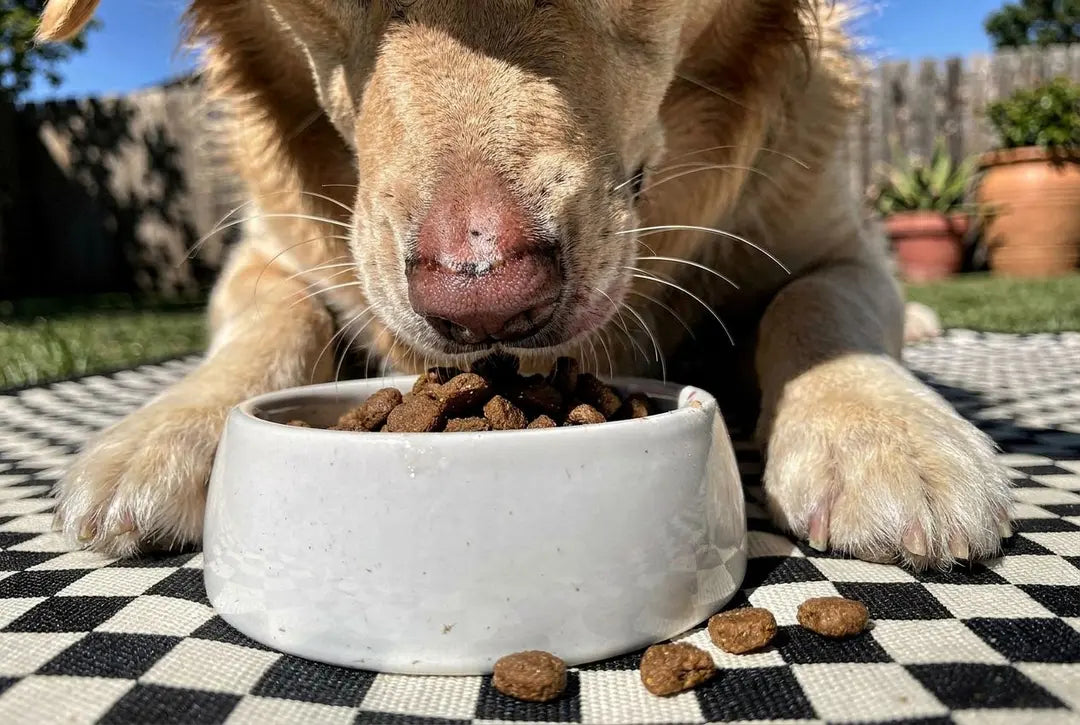
Every dog is unique, and different feeding approaches can work well for different pets and families. Some dogs thrive on dry food alone, while others enjoy incorporating wet food, human-grade gently-cooked fresh recipes, meal toppers, or supplements into their routine. Formats are different, not ranked.
When a Lump Needs Veterinary Attention
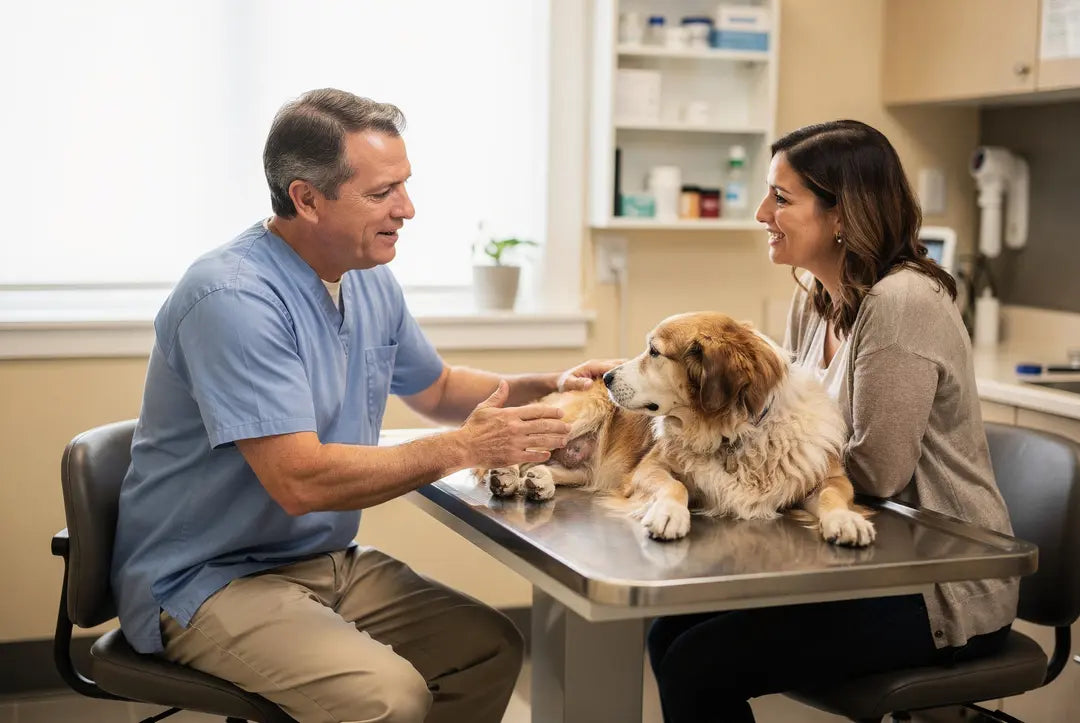
While many lipomas are benign, it's important to have any new lump or bump evaluated by your veterinarian. Prompt attention is especially important if you notice rapid growth, changes in size or texture, redness, pain, discharge, or if your dog seems lethargic or loses their appetite.
According to NC State University College of Veterinary Medicine, up to 80% of skin lumps in pets are not cancerous. However, many types of growths can look similar, so your veterinarian may recommend diagnostic tests, such as a fine-needle aspiration, to determine exactly what the lump is.
With this information, you can feed your dog with confidence rather than fear.
The better question isn't only what foods cause lipomas in dogs. It's how to support healthy weight, digestion, and long-term wellness through consistent, thoughtful feeding. No single ingredient is the villain here. What matters more is the overall pattern: balanced meals, measured portions, appropriate treats, regular movement, and routine vet care.
Health Extension, family-owned since 1963, offers a range of vet-formulated foods, treats, and supplements built around functional nutrition and wholesome ingredients. Start with your veterinarian, check your dog's body condition, and take it one step at a time.
In the bowl
A complete meal beats random table extras. No food is a cure for lumps. Ask your vet about any new bump.
Human-grade gently-cooked fresh dog food (3oz $2.99, 9oz $6.99, variety from $24.90) · Dry dog food · Wet dog food