Chicken liver is one of the most nutrient-dense foods you can offer your dog. It's packed with protein, iron, vitamin A, and other essential nutrients, making it a popular ingredient in many dog foods and homemade treats. But because it's so nutrient-rich, more isn't always better.
Even nutritious foods are best enjoyed in moderation. Giving your pup chicken liver too often can throw off their overall nutrition intake, while the right amount can be a healthy addition to a balanced diet.
A Simple Starting Point by Dog Size
Every dog is different. See also How Much Food Should I Feed My Dog?. The right serving size depends on your dog's age, activity level, overall diet, and health history. According to The Possible Canine, weekly recommended maximums often look like this:
- Toy and very small dogs (under 10 lbs): Up to 1/2 ounce per week
- Small dogs (10-20 lbs): About 1/2 to 1 ounce per week
- Medium dogs (20-50 lbs): About 1 to 2 ounces per week, divided into two or more servings
- Large dogs (50 lbs+): About 2 to 3 ounces per week, with 4 to 5 ounces considered the upper end
When you're introducing chicken liver for the first time, start with a smaller amount. Then monitor stool, appetite, and overall digestion. If your dog has an underlying medical condition or is eating a specialized diet, ask your veterinarian whether chicken liver is appropriate.
In the bowl
Liver is a snack, not the whole bowl. Keep portions small and let a complete meal do the rest.
Human-grade gently-cooked fresh dog food (3oz $2.99, 9oz $6.99, variety from $24.90) · Dry dog food · Wet dog food · Broth-Licious
How Often Can Dogs Eat Chicken Liver?
For many dogs, offering chicken liver once or twice a week is a reasonable place to start. Because liver is naturally rich in vitamin A, it's best enjoyed in moderation rather than as an everyday treat.
It's also worth considering your dog's regular food. Many complete and balanced recipes already include organ meats. If that's the case, you may not need much extra liver. Chicken liver should complement the diet, not replace it.
Why Chicken Liver Can Be a Nutrient-Rich Treat
Chicken liver is packed with high-quality protein along with naturally occurring vitamin A, B vitamins, iron, zinc, copper, selenium, and essential fatty acids. Together, these nutrients can help support healthy muscles, energy production, immune function, red blood cell formation, and healthy skin and coat.
Chicken liver is relatively lean compared to many other animal proteins. A little goes a long way. Offering it in moderation allows your dog to enjoy its benefits while keeping their overall diet balanced.
Why Moderation with Chicken Liver Matters
Because vitamin A is fat-soluble, a dog's body stores it rather than excreting excess amounts. Regularly feeding large amounts over time may contribute to excessive vitamin A intake.
If your dog eats more chicken liver than usual, you may notice temporary digestive upset, such as loose stools, vomiting, or stomach discomfort. Reducing the amount is often enough. If symptoms are severe or persist, contact your veterinarian.
Check your dog food's label to see if it already contains organ meats.
For pet parents who'd rather skip the guesswork, explore Health Extension dog food toppers. You can also add human-grade gently-cooked fresh dog food as a moist mixer on dry dog food. Pouches are pantry-stable until opened. Read What Is Human-Grade Fresh Dog Food?.
Dogs Who May Need Extra Guidance
Puppies, pregnant or nursing dogs, dogs with liver issues, a history of pancreatitis, or those eating a prescription diet should check with a veterinarian first. Dogs with copper-associated liver disease, or breeds that may be predisposed to copper storage disorders (such as Bedlington Terriers and Labrador Retrievers), may also need individualized recommendations.
Cooked, Raw, or Freeze-Dried: Which Form of Chicken Liver Is Better?
There isn't one single right answer. The best choice depends on your dog's needs and how the product is intended to be used.
Cooked Chicken Liver
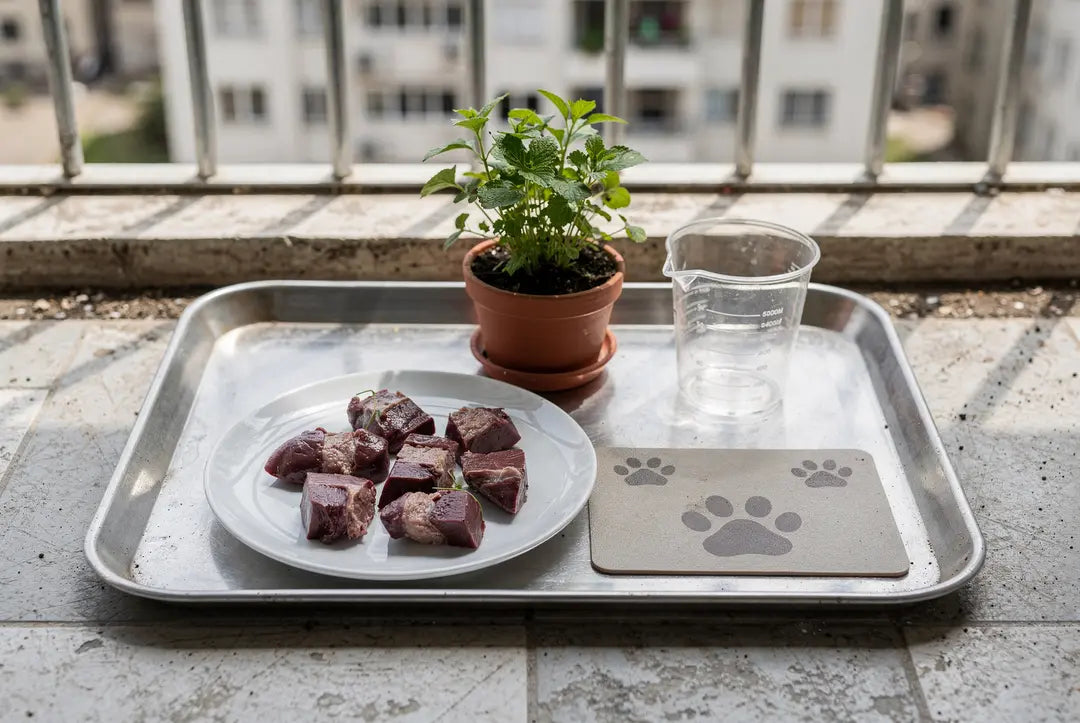
For many pet parents, cooked chicken liver is the most practical option. Boiling, steaming, or baking it plain helps reduce the risk of harmful bacteria while preserving much of its nutritional value.
Raw Chicken Liver
Some pet parents choose raw liver as part of a veterinarian-guided raw diet. However, raw poultry can carry bacteria such as Salmonella and Campylobacter, which may pose risks to both pets and people.
Freeze-Dried Chicken Liver
Freeze-dried liver is more concentrated than cooked liver, so smaller portions are appropriate. Health Extension freeze-dried raw products are intended as treats or meal toppers rather than complete meals.
Shop dry dog food for the everyday bowl and human-grade gently-cooked fresh dog food if you want a complete moist meal or mixer instead of extra organ meat on the side.
In the bowl
Liver is a snack, not the whole bowl. Keep portions small and let a complete meal do the rest.
Human-grade gently-cooked fresh dog food (3oz $2.99, 9oz $6.99, variety from $24.90) · Dry dog food · Wet dog food · Broth-Licious