You're sitting down for dinner, look beside you, and your dog is staring up at you with those classic puppy dog eyes. Suddenly, you're staring at your plate, wondering what's safe to share! This is a common experience among most pet parents. However, it's most important to understand which human food dogs can eat and how to prepare them properly.
While a complete and balanced diet should make up most of your dog's meals, some human food can actually be a healthy addition when offered in moderation! We actually discusses a similar topic in our post, " What 'Human-Grade Ingredients' Really Mean in Dog Food ." Things like fruits, vegetables, and lean proteins can provide variety, flavor, and even beneficial nutrients.
That said, moderation is key, and so is understanding what food on your plate is safe for your pup. In this guide, we're sharing what human food dogs can eat safely. We'll also discuss simple preparation tips, which foods to avoid, and how to build a balanced routine.
What Human Food Can Dogs Eat Safely?
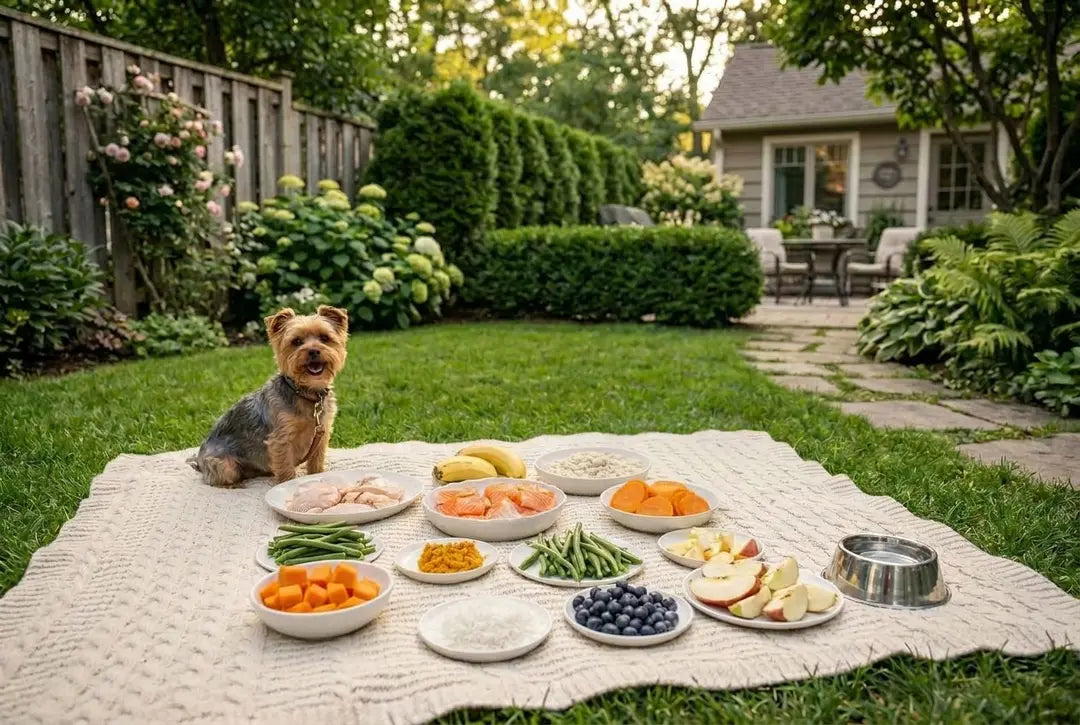
Good news: many plain everyday foods be safely shared with dogs when offered appropriately! The keyword here, however, is plain . Fruits, veggies, and lean proteins can all make nutritious additions to your dog's diet so long as they're prepared correctly and served in moderation. That means they should generally be free of added salt, seasonings, sauces, and artificial ingredients.
However, every dog is unique. Age, size, activity level, breed, and overall health can all influence how a dog responds to new foods. What works for a healthy adult Labrador may not suit a senior Chihuahua with a sensitive stomach. And most importantly, human foods should complement , not replace , a complete and balanced diet. Think of them as nutritious extras that add variety and enjoyment while supporting your dog's overall wellness.
Worried that seasoning-free food will feel flavorless for your pup? Check out our post, " How Do Dogs Taste Food? " to learn more!
Dog-Friendly Proteins to Share in Moderation
When prepared properly, lean, cooked proteins are among the safest and most nutritious foods to share with your dog. Options like cooked chicken, turkey, lean beef, eggs, and certain fish (including salmon and sardines), provide high-quality protein that can support muscle maintenance, tissue repair, and overall wellness.
As we discuss in our healthy digestion guide , lean proteins can be a gentle option for many dogs and are commonly included in thoughtfully formulated dog foods, like Health Extension's Grain-Free Duck Entrée .
Additionally, it can be beneficial to avoid fatty cuts of meat and processed options such as bacon, sausage, hot dogs, and deli meats, as they can contain excessive amounts of fat, sodium, and preservatives.
Simple Preparation Tips for Meat and Eggs
When sharing protein-rich foods with your dogs, simplicity is key. Boiling, baking, or gently cooking meats without added seasonings, oils, butter, or sauces helps keep protein both safe and easy to digest.
For turkey, stick to lean, cooked meat and remove the skin and bones before serving. Turkey skin contains significantly more fat than the meat itself, which can be difficult for some dogs to digest. Bones, naturally, should also be avoided. As far as eggs go, you can prepare them both scrambled or hard-boiled, provided they're cooked thoroughly and prepared without butter, oil, or salt. In fact, fully cooked eggs are generally easier to digest !
Looking for a convenient way to serve these wholesome ingredients? Health Extension's Chicken & Pumpkin Entrée in Gravy is a vet-formulated, complete and balanced recipe made with thoughtfully selected ingredients like chicken, chicken broth, dried egg product, turmeric, coconut oil, and ginger.
Fruits Dogs Can Enjoy as Treats
Many fruits can be a refreshing and nutritious treat for dogs . More specifically, here are several dog-friendly fruits you can consider incorporating:
- Apples (without seeds or core)
- Blueberries (Read our post on how berries are dog-safe !)
- Strawberries
- Banana
- Watermelon (without rinds or seeds)
- Cantaloupe
Pumpkin deserves a special mention. In addition to being rich in nutrients, it contains fiber that supports healthy digestion and helps nourish beneficial gut bacteria. That's one reason pumpkin is commonly included in digestive-supportive recipes and frequently recommended as a dog-friendly food topper! You can also find it across a wide variety of Health Extension's vet-formulated recipes, such as Gently Cooked Chicken and Pumpkin Recipe and Broth-Licious Healthy Belly Chicken & Pumpkin Recipe .
When serving fruit, always wash it thoroughly, remove any inedible or potentially harmful parts, and cut it into appropriately-sized pieces. Additionally, make sure to incorporate this food category mindfully . Fruits contain natural sugars, so they're best used as occasional treats, training rewards, or meal toppers.
Fruits That Need Extra Care
Even dog-friendly fruits can require a little preparation. More specifically, always make sure to remove pits, seeds, rinds, and any tough or inedible portions.
Just as importantly, not all fruits are safe for dogs. Grapes and raisins, for example, should never be shared under any circumstances. Even small amounts can cause serious health complications, and there's no safe serving size. You can learn more in our post on poisonous plants and toxic-foods for dogs .
When sharing fruit with your dog, stick to known dog-safe options, prepare them carefully, and treat them as occasional additions to an otherwise complete and balanced diet.
Vegetables That Can Support Healthy Snacking
When it comes to sharing human foods with your dogs, vegetables are often one of the easiest places to start. Many are naturally low in calories while providing fiber, vitamins, minerals, and other beneficial nutrients that support overall wellness.
As we discuss in our whole-food ingredients guide , dog-friendly options include carrots, green beans, cucumber, sweet potatoes, peas, spinach, and plain cooked squash or broccoli. Not only do they offer a boost of flavor, but they provide valuable nutrients as well!
Some vegetables, such as carrots and cucumbers, are safe served raw and make crunchy, refreshing treats. Others, including sweet potato and broccoli, simply are easier to digest when cooked or streamed. Regardless of which veggies you choose to share with your pup, keep preparations simple and small.
Best Ways to Serve Vegetables
While many raw vegetables are dog-friendly, cooking them offers a more enjoyable eating experience. That said, the healthiest way to do so is to keep things simple. Steaming, boiling, or baking without added oil, butter, salt, or seasonings helps preserve their nutritional value while making them easier on the digestive system.
For tougher veggies, try mashing, chopping, or cooking until soft to make them more comfortable for dogs to eat. This is particularly important for senior dogs, puppies, and smaller breeds. Remember: the ultimate goal is to make healthy foods both safe and enjoyable!
If you're looking for ways to incorporate veggies into your dog's diet, try using them as treats, meal toppers, enrichment snacks, or training rewards. Or, skip the guesswork with our Gently Cooked Sample & Variety Packs ! Made with wholesome meats, whole vegetables, and over 30 superfoods, our Gently Cooked recipes are slow-cooked in bone broth to make nourishing your pet family style simple.
Grains and Carbohydrates Dogs Can Eat
Despite some common misconceptions, many grains and carbohydrates can be part of a healthy diet for dogs ! Plain cooked rice, oatmeal, quinoa, pasta, potatoes, and sweet potatoes are all generally safe options when prepared simply and served in moderation.
More specifically, whole grains like brown rice, oatmeal, and quinoa provide fiber that can help support beneficial gut bacteria and promote healthy digestion. They also offer carbohydrates that serve as an excellent source of energy for active dogs. For those looking for a convenient way to include wholesome grains into their dogs' meals, Health Extension's Little Bites Chicken & Brown Rice Recipe and Original Chicken & Brown Rice Recipe are both vet-formulated, complete and balanced options made with thoughtfully selected ingredients.
Interested in learning more? Read over our guide, " Grain vs Grain-Free Pet Foods ."
When Plain Rice or Pumpkin May Be Helpful
Plain cooked rice and plain pumpkin purée are two foods many pet parents reach for when a dog is experiencing mild digestive upset. Because pumpkin contains soluble fiber, it may help support healthy stool consistency and gentle digestion when offered in appropriate amounts.
A little goes a long way here. Small dogs may only need a small spoonful, while larger dogs can typically tolerate a bit more. As with any new food, it's best to start with a modest amount and monitor how your dog responds.
Dairy and Other Foods: Safe for Some, Not for All
Some human food falls into a gray area. While they may be safe for certain dogs in moderation, they aren't necessarily the right choice for every pup.
Dairy is a great example of this. Some dogs can enjoy small amounts of plain, unsweetened yogurt, Greek yogurt, or lower-fat cheese, like cottage cheese and mozzarella. On the other hand, some dogs may have difficulty digesting lactose. If you're offering dairy for the first time, start with a small amount and monitor for signs of digestive upset such as gas, loose stools, or vomiting.
Peanut butter is another popular example. While it serves as a common dog treat, ingredient labels truly matter. Make sure to choose natural peanut butter without added sugar, excessive salt, or artificial sweeteners. Most importantly, always confirm that the product doesn't contain xylitol, a sweetener that's highly toxic to dogs .
When introducing any new food, start small and pay attention to how your dog responds. What works well for one dog may not be the best fit for another.
Human Foods Dogs Should Never Eat
While many everyday foods can be shared safely, a handful should always stay off your dog's menu. If you're ever unsure about a particular ingredient, it's best to leave it out until you can confirm it's dog-friendly.
If you're unsure what these ingredients are, review the list below:
- Chocolate : Contains compounds that dogs don't process well.
- Grapes and raisins: Can cause kidney damage in some dogs.
- Onions and chives : Can lead to anemia.
- Xylitol : An artificial sweetener that can cause a rapid drop in blood sugar.
- Alcohol: Even small amounts can be dangerous for dogs.
- Caffeine: Found in coffee, tea, and energy drinks, and should be avoided.
- Macadamia nuts: Not considered safe for dogs.
- Raw yeast dough: Can expand in the stomach and create additional health risks as it ferments.
- Cooked bones: May splinter and become a choking hazard.
- Very salty or fatty foods: Can contribute to digestive upset.
If you think your dog has eaten something potentially toxic, you can reach the ASPCA Animal Poison Control Center at (888) 426-4435 right away.
Common Hidden Ingredients to Watch For
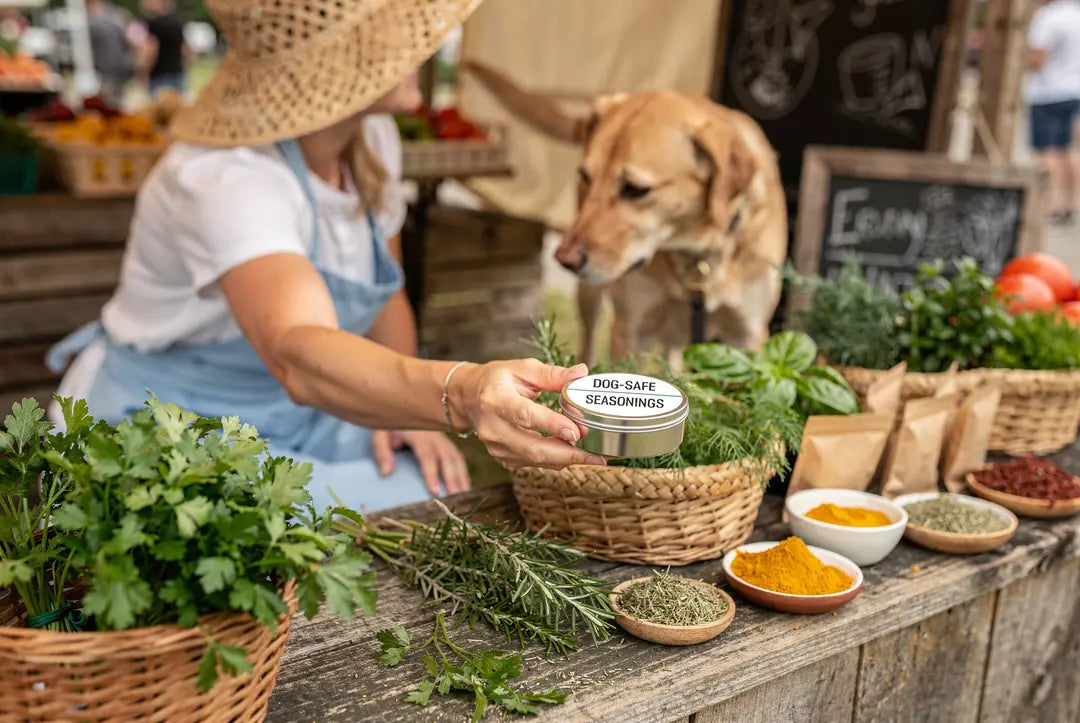
Many pet parents have a general idea of what to avoid sharing with their pups. However, sauces, spice blends, soups, casseroles, baked goods, and flavored nut butters can all contain non-pet-friendly ingredients. Sugar-free products in particular are a common concern, as xylitol can appear under names like birch sugar, wood sugar, or birch bark extract.
Plain, minimally prepared foods are often the easiest choice when sharing human foods with your dog.
How Much Human Food Is Okay for Dogs?
When it comes to sharing human food, moderation is one of the most important ingredients. Even nutritious foods should be viewed as treats, toppers, or occasional additions rather than replacements for a complete and balanced meal.
A helpful guideline is the 90/10 rule: no more than 10% of your dog's daily calories should come from treats and extras, including human foods. The remaining 90% should come from a nutritionally complete dog food that provides the essential nutrients dogs need to thrive.
That 10% can add up faster than many pet parents realize. A few bites here and there throughout the day may seem harmless, but calories from treats, table scraps, and toppers all count towards your pup's daily total. (Learn more about why your dog's weight matters !)
It's also important to remember that more, sometimes, is just more. Overfeeding, even with healthy foods, can contribute to weight gain and digestive upset. As we discussed in our feeding guide , an appropriate amount of human food depends on breed, age, and activity level. A complete and balanced diet isn't one-size-fits-all.
Building a Balanced Bowl With Real-Food Inspiration
Fresh, wholesome ingredients are at the heart of many healthy meals for dogs. The difference is that complete and balanced recipes thoughtfully combine these ingredients with the vitamins, minerals, proteins, and healthy fats dogs need to support everyday wellness.
That's why it's important to think of human foods as complements to your dog's diet rather than the foundation of it. The goal is to combine the enjoyment of real-food ingredients with the confidence of complete and balanced nutrition.
At Health Extension, we believe pet parents shouldn't have to choose between wholesome ingredients and nutritional completeness. Our vet-formulated recipes combine thoughtfully selected ingredients, including pumpkin, blueberries, sweet potatoes, spinach, and salmon, with the vitamins and minerals dogs need as part of a complete and balanced diet. We do the work for you, so you can feel confident that every bowl delivers the nutrition your dog needs and the ingredients you'll feel good about serving.
Our Gently Cooked and Air-Dried Complete recipes, for example, are just a couple of examples of formulas made with the same wholesome ingredients inspired by the foods pet parents know and love. It's an easy way to bring real-food inspiration to every meal.
Use our store locator to find Health Extension dog foo d near you!
Human food can be a beneficial treat for your dog, but it shouldn't be their only meal.
So, what human food can dogs eat? Plenty, when you keep it plain, simple, and moderate. Lean proteins, certain fruits and vegetables, and some plain grains can all be safe additions when prepared correctly and offered in small amounts.
Introduce new foods one at a time, watch how your dog responds, and always keep their overall diet balanced. If you're looking for an easy way to bring wholesome ingredients and complete nutrition together, explore Health Extension's recipes, treats, and meal toppers . As a family-owned company since 1963, we've been helping pet parents nourish the dogs they love for more than 60 years. Because they're family, too.