
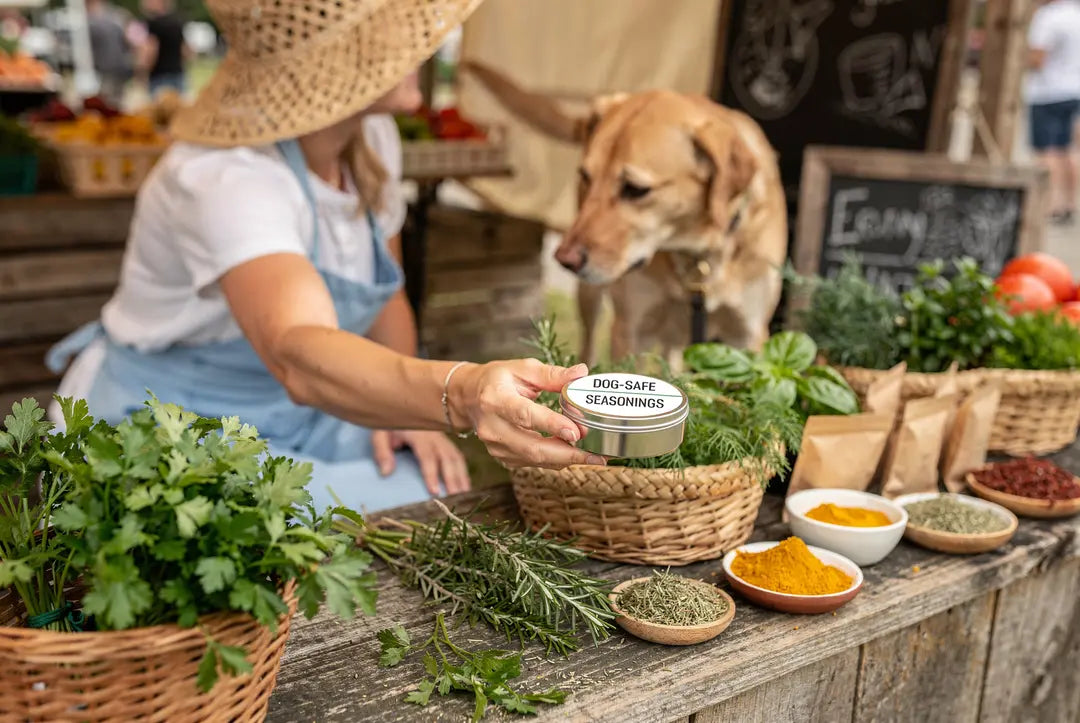
As a pet parent, we want to give our dogs the most wholesome, flavorful meals possible. But what exactly does "flavorful" mean when it comes to your dog's bowl? Naturally, you may think of spices, seasonings, syrups, and spreads. However, not all flavor-boosting ingredients are safe for dogs.
While some herbs and spices can be enjoyed in moderation, others can cause digestive upset or even serious health concerns. Ultimately, knowing that difference is key to adding variety to your meals while keeping your pup's health and well-being top priority.
That said, there are plenty of seasoning options out there, making it hard to know what's pet-safe and what isn't. That's why below, we're discussing which seasonings dogs can have, how to flavor your pet's meals with care, and which flavor additives you should avoid entirely. A little knowledge goes a long way toward creating meals your dog will love and you can feel good about serving.
What Seasonings Can Dogs Have?
The good news is that dogs can safely enjoy certain herbs and spices in small amounts. However, it's important to remember that dogs don't need seasonings like humans do. With roughly 1,700 taste buds compared to our 9,000 , dogs rely far more on aroma than flavor when deciding what's appealing to eat. You can learn more about this in our post, " How Do Dogs Taste Food? "
This doesn't mean seasonings are off-limits, though. Certain herbs and spices may add variety to meals and can even offer nutritional benefits when used appropriately! The key is choosing dog-safe options and using them sparingly.
Ultimately, think of seasonings as occasional additions rather than everyday necessities. A complete and balanced diet should always remain the foundation of your dog's nutrition, with herbs and spices serving as an optional way to add variety from time to time.
In the bowl
If you want flavor without the spice rack, use a complete meal or a broth topper instead of table seasoning.
Human-grade gently-cooked fresh dog food (3oz $2.99, 9oz $6.99, variety from $24.90) · Dry dog food · Wet dog food · Broth-Licious
Dog-Safe Herbs and Spices to Use in Small Amounts
Fortunately, there's a wide variety of seasoning options you can occasionally sprinkle into your fur baby's bowl. However, as a general guideline, we recommend sticking to plain, single-ingredient seasonings only. You can also use fresh or dried seasonings, so long as they don't have salt, oils, butter, sugar, or additional blends.
Don't know where to start? Here are the best dog-safe herbs and spices you can use in small amounts:
Curly Parsley
Curly parsley is one of the most commonly recommended herbs for dogs and can be a safe addition when used in small amounts. More specifically, curly parsley contains naturally occurring vitamins, antioxidants, and chlorophyll that may help support eye health and even naturally fights that classic "doggy breath."
However, be sure to choose curly parsley rather than spring parsley. Spring parsley contains compounds called furanocoumarins, which may be harmful to pups in large amounts. As with any herb, a little goes a long way, so be mindful of this when sprinkling into your dog's bowl!
Learn more about this spice in our post, "Dog Food Made with Superfoods."
Basil
Basil is a dog-friendly herb that can be offered in small amounts as an occasional meal topper. It contains antioxidants and other naturally occurring plant compounds that may help support overall wellness, making it a popular addition to fresh, wholesome meals.
In addition to its nutritional value, basil is known for its mild, pleasant aromas and pairs well with simple ingredients like lean protein and vegetables. While some pet parents use basil as part of a varied, nutrient-rich diet, it's best for complementing balanced nutrition rather than as a source of specific health benefits.
Rosemary
Rosemary is a flavorful herb that's commonly used in pet foods as a natural preservative. Beyond this, it contains naturally occurring antioxidants along with minerals like iron and calcium. When included in small amounts, it can be a safe, beneficial addition to a dog's diet.
Because rosemary has a strong flavor and aroma, it's important to use only a small amount. It pairs well with lean proteins and other simple, whole-food ingredients, which is one reason why it's included in some thoughtfully crafted dog food recipes. If you're looking for a convenient option, Ancestry Chicken Meal & Rice Recipe is a vet-formulated, complete and balanced recipe made with wholesome ingredients, including rosemary.
Learn more about this beneficial herb in our post, "Is Rosemary Safe for Dogs?"
Thyme and Oregano
Thyme and oregano are two herbs that can be safe for dogs when used sparingly. Both contain naturally occurring plant compounds and antioxidants, making them occasional options for pet parents looking to add a little variety to their dog's meals.
Because oregano has a stronger flavor than many other herbs, it's best used sparingly. A small pinch is more than enough to add variety without overwhelming your dog's meal.
Turmeric
Turmeric is one of the most well-known spices used in both human and pet nutrition. It contains a naturally occurring compound, curcumin, which has been studied for its antioxidant and wellness-supporting properties.
When used in small amounts, turmeric can be a dog-friendly addition to meals. In fact, Health Extension includes turmeric in a variety of recipes as part of our commitment to creating complete and balanced nutrition with wholesome ingredients. You'll find it in our Lamb & Brown Rice Recipe, Air-Dried Superfoods Salmon Recipe, and Freeze-Dried Raw Beef Recipe.
Ginger
Ginger is a dog-safe spice that can be offered in small amounts as an occasional addition to meals. It's most commonly known for its use in supporting digestive comfort. Because ginger has a strong, potent flavor, it's best to introduce it gradually and use it sparingly. A small amount can go a long way, especially for dogs trying it for the first time.
Interested in incorporating ginger into your pup's diet but not sure how? Check out our post, "Introducing Digestive Support Wet Dog Food with Superfoods for your Superdog!" In our Digestive Support recipes, we include thoughtfully selected ingredients, like ginger, which may help support digestive comfort as part of a complete and balanced diet.
Cinnamon
Cinnamon is another spice that can be safe for dogs when used sparingly. More specifically, small amounts of plain Ceylon cinnamon are generally considered the best option for occasional use. This spice contains naturally occurring antioxidants and a warm flavor for homemade treats and meal toppers.
That said, it's important to avoid giving your pup cinnamon sugar, baked goods, and large quantities. Most of the time, these options contain ingredients that aren't necessarily appropriate for dogs. Instead, skip the hesitation and choose a dog-friendly treat that captures those same warm, familiar flavors, like our Oven Baked Peanut Butter Treats. Made with seven simple human-grade ingredients and free from wheat, fillers, and artificial additives, these bites deliver a balance of crunch and flavor that every pup can adore.
Foods and Seasonings to Avoid Sharing with Dogs
While some herbs and spices can be safely enjoyed in moderation, others shouldn't make their way into your fur baby's bowl. And, in fact, many of these ingredients are common in household meals, takeout dishes, marinades, spice blends, sauces, and seasoning mixes.
While they may taste yummy to us, they aren't great for our dogs. Here are ingredients to avoid giving your pup:
Nutmeg
Nutmeg is one spice that should never be added to your dog's bowl. It contains a compound called myristicin, which can be toxic and may cause more serious health complications when consumed in large amounts.
Because nutmeg is commonly used in baked goods, holiday desserts, pumpkin pie spice blends, and seasonal beverages, accidental exposure is more common than many pet parents realize. Even foods that seem harmless can contain ingredients that aren't appropriate for dogs.
To be safe, keep nutmeg-containing foods out of reach and avoid sharing spiced desserts or baked treats with your dog.
Chili Powder, Cayenne, and Hot Pepper Seasonings
Spicy seasonings like chili powder, cayenne, and hot pepper blends should always be avoided. These ingredients can irritate a dog's mouth and digestive tract, potentially leading to discomfort, drooling, stomach upset, vomiting, or diarrhea.
Strong spices can also irritate sensitive areas, like the eyes, nose, and throat, especially if inhaled. While some humans enjoy the boost of spice, dogs don't benefit from the added heat. Instead, it's always better to choose gentle, dog-friendly herbs and spices that provide variety without the potential for irritation.
Salt and Salty Seasoning Blends
While sodium is an essential nutrient, dogs only need small amounts as part of a complete and balanced diet. Adding extra salts and seasonings to foods can quickly increase sodium intake beyond what's necessary.
Many common flavoring ingredients, including seasoning blends, meat rubs, chips, and processed foods contain far more sodium than many pet parents realize. As a general rule, the simpler the ingredient list, the better.
Cocoa Powder, Chocolate Seasonings, and Sweet Mixes
Chocolate and cocoa products should never be shared with dogs. These ingredients contain compounds called theobromine and caffeine, which dogs process much more slowly than humans. Even small amounts can lead to serious health concerns.
It's also important to look beyond obvious sources of chocolate. Things like hot chocolate mixes, chocolate-flavored seasonings, baking ingredients, and certain dessert toppings can all contain ingredients that are unsafe for dogs.
Sweetened products require extra caution as well. Some sugar-free mixes, syrups, spreads, and baking products contain xylitol, an artificial sweetener that is highly toxic to dogs. Because ingredient lists can vary widely, always read labels carefully before sharing any flavored or sweetened food with your pet.
Why Seasoning Blends Can Be Unsafe for Dogs
When it comes to seasoning your dog's food, simplicity is often the safest choice. Even though many seasoning blends may seem harmless, they frequently contain spices and herbs that are unsafe for pets.
That's why it's important to be extra cautious with pre-made blends such as taco seasoning, poultry seasoning, steak rubs, ranch seasoning, barbecue rubs, and other flavored mixes.
The challenge is ingredient list variation. Ingredient lists can vary considerably from one blend to another, making single-ingredient herbs and spices the easiest choice for pet parents. When you know exactly what's in the jar, it's much easier to make informed choices and add flavor to your pup's bowl with confidence.
How to Safely Add Flavor to Your Dog's Food
When introducing any new herb and spice to your dog, it's important to be mindful of how you incorporate it. Below are a handful of tips that can help you through this process:
Keep It Plain and Simple
If you choose to use herbs and spices, stick to single-ingredient options without added salt, sugar, oil, butter, sauce, or artificial ingredients.
Using simple, recognizable ingredients makes it much easier to know exactly what your dog is eating. A good rule of thumb? Keep flavor additions as natural and uncomplicated as possible.
If you'd rather skip the guesswork, Health Extension's complete and balanced recipes, treats, and toppers are thoughtfully crafted with dog-friendly herbs and wholesome ingredients.
Think of Seasonings as a Tiny Topper
Seasonings shouldn't make a significant portion of your pup's meal. Instead, view them as an occasional addition rather than a nutritional necessity. While certain herbs and spices can add variety, the foundation of your dog's health should always come from a complete and balanced diet.
Eliminate the doubt by checking out Health Extension's Dog Food Toppers. From our human-grade gently-cooked fresh recipes to Freeze-Dried Beef, you can nourish your pet family style.
Watch Your Dog's Individual Response
Every dog is different, and what can work for one may not work for another. After adding new seasonings to your dog's diet, monitor for any changes. Look at things like energy levels, stool quality, appetite, and skin condition.
Better Ways to Make Your Dog's Meal More Exciting
The good news? You don't need to reach for human seasonings to make your dog's meal more enjoyable. Dog-friendly additions like plain pumpkin, carrots, green beans, blueberries, and small amounts of lean cooked meat can add variety, flavor, and texture.
Even better, start with a food that's designed to deliver both nutrition and natural flavor from the beginning. At Health Extension, we've been crafting small-batch pet food since 1963 using thoughtfully selected ingredients and more than 30 superfoods. Additionally, our recipes are made without artificial colors, flavors, or preservatives and undergo rigorous safety testing, so pet parents can feel confident about what's in every bowl.
For dogs who enjoy variety, rotating between Dry Food, Wet food, human-grade gently-cooked fresh meals, Freeze-Dried toppers, and other dog-friendly formats can create new textures and aromas. Formats are different, not ranked.
Use our store locator to find Health Extension near you.
When to Call Your Veterinarian
If your dog eats a toxic seasoning or a large amount of any spice, contact your vet or a pet poison helpline right away. Do not wait for symptoms to appear. You can reach the ASPCA Animal Poison Control Center at 888-426-4435 or the Pet Poison Helpline at 855-764-7661, both available 24/7.
Season your pet's food with love, but always keep safety first.
Some herbs and spices can be a fun way to add a little variety to your dog's meals when used thoughtfully. The key is keeping things simple, choosing dog-friendly ingredients, and remembering that a complete and balanced diet should always remain the foundation of your pup's nutrition.
If you want to give your dog food that already has the good stuff built in, explore Health Extension's full range of dog food, toppers, and wellness products. As a family-owned company since 1963, we've believed that caring for pets starts with thoughtful nutrition. After all, they're family, too.
In the bowl
If you want flavor without the spice rack, use a complete meal or a broth topper instead of table seasoning.
Human-grade gently-cooked fresh dog food (3oz $2.99, 9oz $6.99, variety from $24.90) · Dry dog food · Wet dog food · Broth-Licious