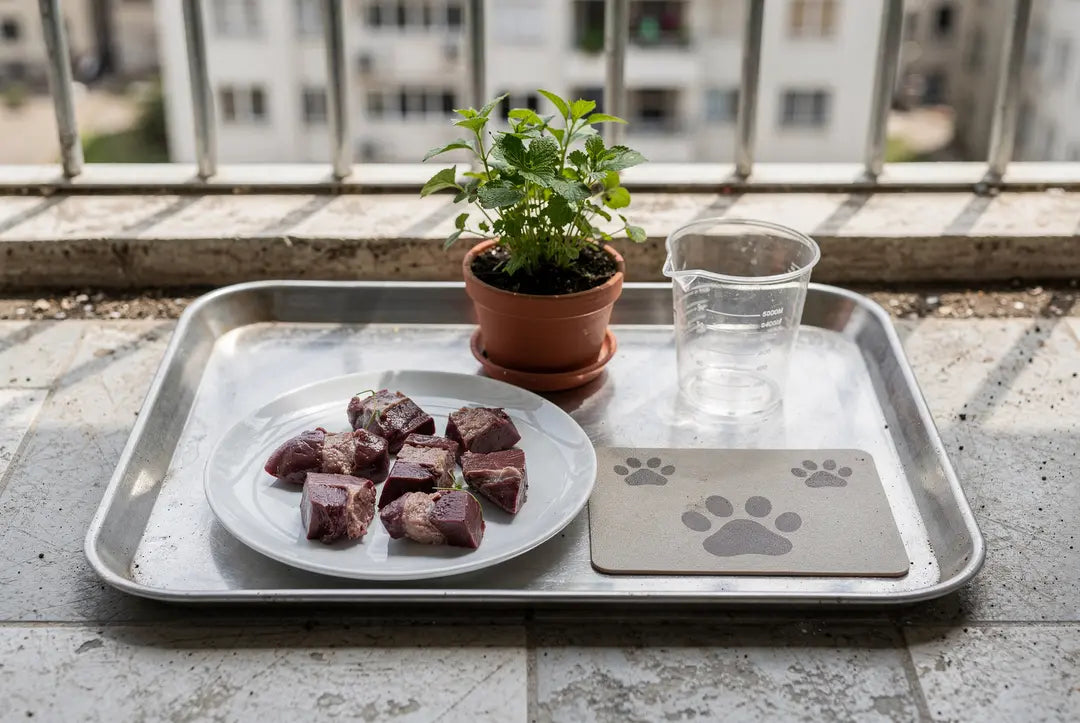

Chicken liver is one of the most nutrient-dense foods you can offer your dog. It's packed with protein, iron, vitamin A, and other essential nutrients, making it a popular ingredient in many dog foods and homemade treats. But because it's so nutrient-rich, more isn't always better.
We know, it sounds kind of contradictory! The truth is that even nutritious foods are best enjoyed in moderation. Giving your pup chicken liver too often can throw off their overall nutrition intake, while the right amount can be a healthy addition to a balanced diet.
But here's the real question: how much chicken liver can your dog actually have? That's exactly what we're breaking down below. We'll provide a simple starting guide, discuss the benefits of occasional chicken liver, and explore how to incorporate it into your dog's feeding routine.
A Simple Starting Point by Dog Size
Every dog is different, which is exactly why we explored this topic in our post, "How Much Food Should I Feed My Dog?" The right serving size ultimately depends on your dog's age, activity level, overall diet, and health history. According to The Possible Canine, weekly recommended maximums should vary by breed and size. Here's what this often looks like:
- Toy and very small dogs (under 10 lbs): Up to 1/2 ounce per week
- Small dogs (10–20 lbs): About 1/2 to 1 ounce per week
- Medium dogs (20–50 lbs): About 1 to 2 ounces per week, divided into two or more servings
- Large dogs (50 lbs+): About 2 to 3 ounces per week, with 4 to 5 ounces considered the upper end
Regardless of size, when you're introducing chicken liver for the first time, start with a smaller amount. Then, monitor your dog's stool, appetite, and overall digestion. If your dog has an underlying medical condition or is eating a specialized diet, ask your veterinarian whether chicken liver is an appropriate option.
How Often Can Dogs Eat Chicken Liver?
For many dogs, offering chicken liver once or twice a week is a reasonable place to start. Because liver is naturally rich in vitamin A and additional nutrition, it's best enjoyed in moderation rather than as an everyday treat.
It's also worth considering your dog's regular food. Many complete and balanced recipes already include organ meats as part of their thoughtfully formulated ingredient blend. If that's the case, you may not need to add much extra liver to your dog's routine! As with any treat or topper, chicken liver should complement your dog's overall diet, not replace it.
Are you interested in learning more about common proteins used in balanced dog food recipes? Read our post, "The Benefit of Deboned Chicken in Pet Food!"
Why Chicken Liver Can Be a Nutrient-Rich Treat
Chicken liver earns its reputation. It's packed with nutrients that can support your dog's overall health, including high-quality protein along with naturally occurring vitamin A, B vitamins, iron, zinc, copper, selenium, and essential fatty acids. Together, these nutrients can help support healthy muscles, energy production, immune function, red blood cell formation, and healthy skin and coat.
And that's not all. Chicken liver is relatively lean compared to many other animal proteins, making it a flavorful treat that can fit into many dogs' feeding routines when used appropriately. The key? Remembering that chicken liver is highly nutrient-dense. In other words, a little goes a long way here! Offering it in moderation allows your dog to enjoy its nutritional benefits while keeping their overall diet balanced.
Why Moderation with Chicken Liver Matters
Chicken liver is naturally rich in several essential nutrients, including vitamin A. Because vitamin A is a fat-soluble vitamin, a dog's body stores it rather than excreting excess amounts. While this isn't a concern when offering liver in appropriate portions, regularly feeding your dog large amounts over time may contribute to excessive vitamin A intake.
If your dog eats more chicken liver than usual, you may notice temporary digestive upset, such as loose stools, vomiting, or stomach discomfort. In most cases, however, reducing the amount of chicken liver is enough to make a meaningful difference! However, if symptoms are severe or persist, it's most important to contact your veterinarian for personalized guidance.
And remember what we said earlier: check your dog food's nutritional label to ensure it doesn't already contain organ meats. This way, when you add chicken liver either as a treat or a food topper, you can do so confidently.
For pet parents who'd rather skip the guesswork, explore Health Extension's Dog Food Toppers line. Our vet-formulated recipes are made with wholesome, thoughtfully selected ingredients, so you can add flavor and variety to your dog's bowl without having to portion nutrient-dense organ meats yourself.
Dogs Who May Need Extra Guidance
While chicken liver can be a nutritious treat for many dogs, some may benefit from a conversation with their veterinarian before it's added to the menu. This is especially true for puppies, pregnant or nursing dogs, dogs with liver issues, a history of pancreatitis, or those eating a prescription diet. Their needs may differ from the average furry friend!
Dogs with copper-associated liver disease, or breeds that may be predisposed to copper storage disorders (such as Bedlington Terriers and Labrador Retrievers), may also require individualized dietary recommendations. If your dog has a chronic health condition, takes long-term medication, or has unique nutritional needs, your veterinarian can help determine whether chicken liver is an appropriate addition and how much fits into their overall feeding plan.
Cooked, Raw, or Freeze-Dried: Which Form of Chicken Liver Is Better?
Truthfully, there isn't one single right answer! The best choice depends on your dog's individual needs, your family's feeding preferences, and how the product is intended to be used.
Here's a brief breakdown of each unique form of chicken liver:
Cooked Chicken Liver
For many pet parents, cooked chicken liver is the most practical option. Boiling, steaming, or baking it plain helps reduce the risk of harmful bacteria while preserving much of its nutritional value. It's also easy to portion, making moderation simpler.
Raw Chicken Liver
Some pet parents choose to feed raw liver as part of a veterinarian-guided or carefully planned raw diet. However, raw poultry can carry bacteria such as Salmonella and Campylobacter, which may pose risks to both pets and people. If you're considering a raw feeding approach, talk with your veterinarian about whether it's appropriate for your dog's individual needs.
Freeze-Dried Chicken Liver
Freeze-dried liver offers the convenience while retaining many of the nutrients found in fresh liver. Because the moisture has been removed, it's much more concentrated than cooked liver, so smaller portions are appropriate.
At Health Extension, our Freeze-Dried Raw products are intended as treats or meal toppers rather than complete meals. As with any concentrated treat, follow the feeding guidelines on the package and factor it into your dog's overall daily diet.
How to Prepare Chicken Liver for Dogs
Keep it simple. Boil chicken liver in plain water for 10 to 15 minutes, or bake it at a low temperature without added oils, butter, salt, sauces, or seasonings. The goal is to let the liver speak for itself, without the extra ingredients commonly used in human recipes.
Once cooked, let the liver cool completely before cutting it into small, bite-sized pieces. Store leftovers in an airtight container in the refrigerator for up to 2 days, or freeze them for up to 3 months for longer storage.
Because chicken liver is so flavorful, even small pieces make excellent high-value training treats. Remember to count them toward your dog's daily treat intake and offer them in moderation as part of an overall balanced feeding routine.
How Chicken Liver Fits Into a Balanced Diet
Chicken liver is best thought of as a nutrient-rich addition to your dog's diet rather than the foundation of it. While it provides valuable vitamins and minerals, it isn't intended to replace a complete meal or supply all of your dog's daily nutritional needs on its own.
If you're already feeding a vet-formulated diet, small amounts of chicken liver can be an occasional treat or topper when offered in moderation. For pet parents who prefer to skip the measuring and planning, another option is to choose recipes that already include organ meats as part of a thoughtfully balanced formula.
At Health Extension, several of our wet food recipes incorporate liver alongside wholesome, thoughtfully selected ingredients. For example, our Grain-Free Chunky Chicken Stew includes beef liver and lamb liver, while our Grain-Free Duck Entrée features chicken liver as part of a vet-formulated recipe. That means we've already done the balancing for you, making it easy to serve meals that are both flavorful and nutritionally complete.
Signs Your Dog Is Tolerating Chicken Liver Well
When introducing chicken liver, start with a small amount and monitor your dog over the next day or two. A normal appetite, comfortable digestion, and consistent stool are all good signs that it's agreeing with them.
If you notice persistent vomiting, diarrhea, a loss of appetite, or any other concerning symptoms, stop feeding chicken liver and contact your veterinarian. Introducing one new food at a time also makes it easier to identify the cause of any reaction.
Need a little guidance throughout this process? Read our posts, "Common Digestive Issues in Dogs" and "Dog Poop Decoded: What Your Dog’s Stool Says About Their Health."
When to Ask Your Veterinarian
Most healthy dogs can enjoy small amounts of chicken liver as part of a balanced diet. However, if your dog has a chronic medical condition, eats a prescription diet, or has unique nutritional needs, it's a good idea to check with your veterinarian before adding liver to their routine.
Your veterinarian can help determine whether chicken liver is appropriate, recommend serving amounts based on your dog's individual needs, and ensure treats and toppers fit within their overall nutrition plan. They can also monitor your dog's body condition over time and recommend adjustments as their health or dietary needs change.
As with any new food, follow the feeding directions on the product you're using and introduce chicken liver gradually while monitoring your dog's appetite and digestion.
Feed your dog chicken liver with care and confidence!
So, how much chicken liver can you give your dog? A small amount, served occasionally, as part of a complete and balanced diet. Start conservative, watch how your dog responds, and adjust from there. Chicken liver can be a wholesome, nutrient-rich addition when you treat it as the occasional extra it's meant to be, not a daily staple.
If you want to take the guesswork out of organ meats entirely, explore Health Extension's complete and balanced recipes and Freeze-Dried Toppers where liver is already balanced into the formulation for you! Make sure to also use our Store Locator to find Health Extension near you!