Watching your dog without teeth struggle to eat can be heartbreaking. They come running when it's dinner time, their tails wagging, but once the food is in front of them, they hesitate, drop pieces, or become uninterested. Whether your dog has lost teeth due to age, dental disease, extractions, or an injury, it's natural to wonder what they can eat comfortably while still getting the complete and balanced nutrition they need.
However, don't get discouraged! Dogs can thrive without teeth when they're given the right foods. Soft, easy-to-eat options like wet food, softened kibble, or human-grade gently-cooked fresh meals are all excellent places to start. The key is choosing a texture that allows your dog to eat comfortably without compromising on nutrition.
In this guide, we'll discuss what to feed a dog with no teeth. We'll also discuss how to make mealtime easier and offer practical tips to support your dog's health and happiness at every stage of life. Most importantly, know this: it's still completely possible for your furry friend to receive complete and balanced nutrition, even without teeth.
What to Feed a Dog With No Teeth: Start With Soft, Complete Nutrition
When a dog loses their teeth, the texture of their food becomes just as important as the nutrition it provides. The goal is to choose meals that are soft enough to eat comfortably while still delivering the complete and balanced nutrition your dog needs to thrive. For many dogs, wet food is the easiest place to start.
At Health Extension, our dogs aren't just our pets, they're our family. That's why our vet-formulated wet dog food recipes are made with carefully selected ingredients and high-quality animal protein to provide balanced nutrition in a soft, easy-to-eat texture.
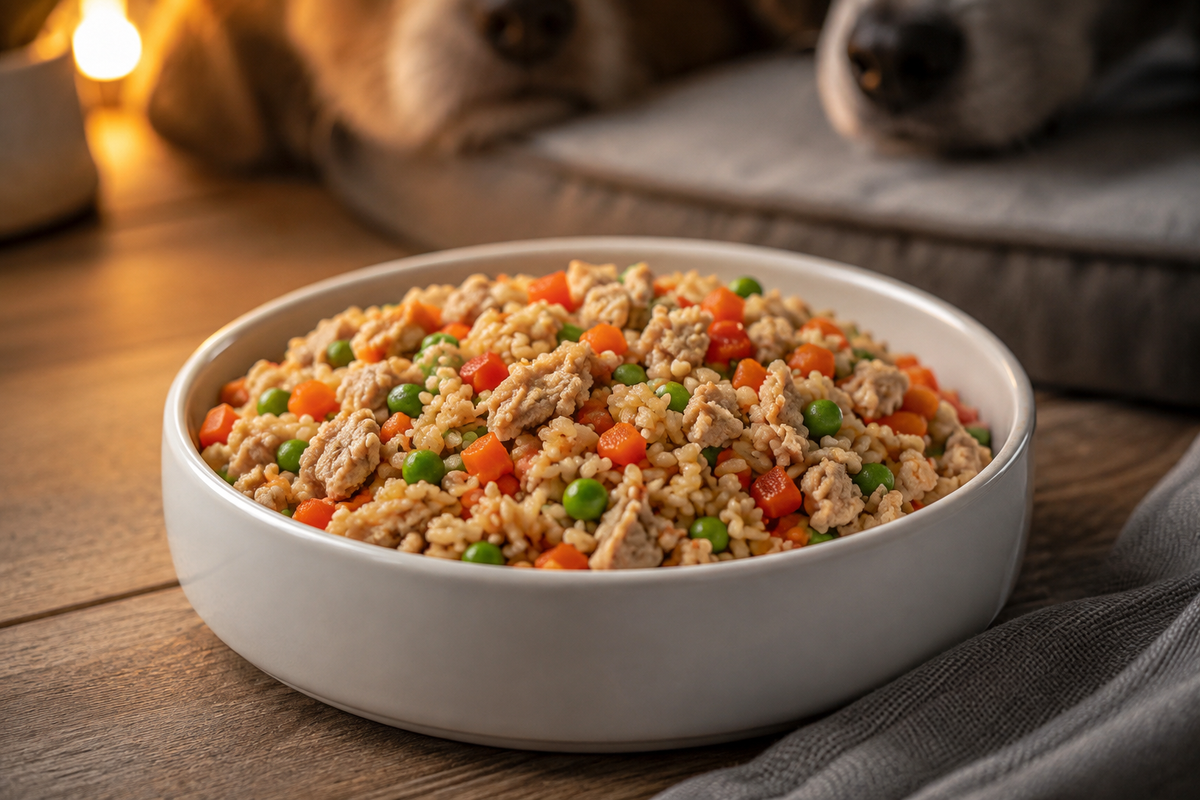
For dogs who enjoy a heartier texture, Health Extension's human-grade gently-cooked fresh recipes are another option. Made with wholesome, thoughtfully selected ingredients, they can be served as a complete meal or used as a meal topper while remaining soft enough for dogs without teeth to enjoy comfortably.
You don't have to sacrifice nutrition for comfort. With the right soft foods, you can continue nourishing your pup with confidence while keeping mealtime comfortable and enjoyable.
Here's what to keep in mind when selecting your furry friend's food:
Why Texture Matters More Than You Might Think
Teeth play an important role in helping dogs grip, tear, and break food into smaller pieces before swallowing. When those teeth are missing, dogs rely much more on their tongue, gums, and jaw muscles to move food around their mouths.
This is why soft, moisture-rich foods are easier for dogs without teeth to manage. They require less effort to eat, are often gentler on sensitive gums, and can make mealtime feel much more comfortable, especially after dental extractions or for dogs with ongoing oral sensitivity.
Interested in learning more about your dog's dental needs? Check out our guide, "The Lowdown on Dental Care for Your Dog."
Complete Meals vs. Meal Extras
Not every dog food product is designed to serve the same purpose. A complete and balanced meal is formulated to provide all of the nutrients your dog needs each day, making it the foundation of a healthy diet. Meal toppers, broths, mixers, and many treats, on the other hand, are designed to complement complete meals by adding flavor, moisture, or variety to your dog's bowl.
For dogs without teeth, these extras can be a great way to make meals more enjoyable or even encourage them to eat. However, they shouldn't replace a nutritionally complete diet unless they're specifically formulated to do so.
New to the idea of meal toppers? Check out Health Extension's Broth-Licious line. All you have to do is open the cup and serve; we did the cooking for you.
Signs Your Dog's Current Food May Be Too Hard
If your dog's current food has become difficult to eat, they may show subtle changes at mealtimes that are easy to miss before refusing to eat altogether. Paying attention to these changes can help you determine whether it's time to adjust the texture of their meals.
Common signs include:
- Dropping food while eating
- Chewing on one side of the mouth
- Pawing at the face or mouth
- Approaching the food bowl but hesitating
- Swallowing kibble whole without chewing
- Taking longer than usual to finish meals
- Preferring soft foods while leaving dry kibble behind
- Unexplained weight loss or decreased appetite
While these signs may simply mean your dog's food is too difficult to eat, they can also point to an underlying dental or oral health issue. As we discuss in our guide, "Does Your Dog Have Gum Discoloration?", changes in eating habits, reluctance to chew on toys, or signs of mouth discomfort deserve a second thought.
In the bowl
Soft textures: wet food or human-grade gently-cooked fresh pouches. Soften kibble with warm water if you keep a dry format.
Human-grade gently-cooked fresh dog food (3oz $2.99, 9oz $6.99, variety from $24.90) · Dry dog food · Wet dog food
Soft Food Options for Dogs Without Teeth
There's no single feeding solution that's right for every dog. The best choice depends on your dog's preferences, overall health, and nutritional needs. Fortunately, several soft food options can help make mealtime more comfortable while still providing complete and balanced nutrition.
In fact, many pet parents decide to combine different feeding formats to create a routine that works best for their dog. Formats are different, not ranked. Here are a handful of the best options:
Wet Dog Food
For many dogs without teeth, wet food is a comfortable place to start. Its naturally soft, moisture-rich texture requires little chewing, making it easier for dogs to eat while still providing balanced nutrition. The aroma and texture may also encourage dogs who have become hesitant around mealtime.
Health Extension's Delicious & Nutritious Wet Dog Food line is vet-formulated and made with wholesome, thoughtfully selected ingredients and high-quality animal protein. From Grain-Free 95% Chicken to Chicken & Turkey Little Cups for Small Breeds, we offer a variety of flavors and protein options. These balanced recipes can be served as a complete meal or paired with moistened kibble to add variety to your pup's plate.
For those just navigating this change, review our post, "How to Switch Your Pets Food Without Tummy Trouble."
Shelf-Stable Human-Grade Gently-Cooked Fresh Meals
For dogs who enjoy a slightly heartier texture, human-grade gently-cooked fresh meals can also be a great fit. These recipes offer a tender, easy-to-eat consistency while providing complete and balanced nutrition.
Health Extension's shelf-stable human-grade gently-cooked fresh recipes are vet-formulated with wholesome, thoughtfully selected ingredients. They can be served as a complete meal or alongside other feeding formats. Their soft texture makes them a practical option for many dogs without teeth while offering variety, flavor, and nutrition.
Try this option by exploring our Gently-Cooked Grain-Free 3oz Variety Pack. Carefully prepared in small batches, simmered in bone broth, and never frozen, these recipes are ready to serve. Pouches are pantry-stable until opened. After opening, refrigerate leftovers and use within 3 days.
Learn more: What Is Human-Grade Fresh Dog Food?
Soaked Kibble
Dry food remains a useful option for many dogs, even those without teeth. If your pup simply needs a softer texture, try adding warm water or dog-safe, low-sodium bone broth and allow the kibble to soften. This is a great way to make mealtime much easier without changing the complete nutrition they're already enjoying.
Many pet parents also choose to mix a spoonful of wet food into softened kibble, adding moisture, aroma, and flavor while allowing their dog to continue enjoying a familiar meal.
If you're exploring dry recipes, start with Original Chicken & Brown Rice Recipe. Protein-packed and enhanced with ingredients such as turmeric, apple cider vinegar, and ginger.
Meal Toppers and Broths
Some dogs, especially those without teeth, appreciate a little extra moisture or encouragement at mealtime. Health Extension's Broth-Licious line takes this a step further. Each recipe (Healthy Belly, Mobility, Vitality, and Shiny Coat) can be enjoyed as a complete meal or incorporated into a varied feeding routine alongside dry food, wet food, Air-Dried Complete, or human-grade gently-cooked fresh recipes.
Each recipe adheres to the AAFCO Dog Food Nutrition Profiles for Adult Maintenance: science-based standards that define the levels of protein, fat, vitamins, and minerals necessary for healthy adult dogs.
No prep, no mess, and always made with wholesome ingredients, Broth-Licious can be a yummy addition to every toothless pup's plate.
Rehydrated Freeze-Dried Food
Freeze-dried foods can also have a place in a balanced feeding routine when they're rehydrated and softened with water before serving. Health Extension's Freeze-Dried Raw Super Bites are designed as meal mixers, toppers, or treats. For dogs without teeth, simply crumble the pieces, add water, and allow them to soften completely before serving.
Whichever feeding approach you choose, the goal remains the same: providing complete and balanced nutrition in a texture your dog can enjoy comfortably.
How to Prepare Food So It's Easier to Eat
Every dog is unique, and factors like mouth comfort, jaw strength, and eating style can all influence what feels easiest at mealtime.
Mash, Moisten, or Blend as Needed
Depending on your dog, you may find it helpful to mash wet food with a fork, add a little warm water to create a smoother consistency, or blend meals into a uniform puree. The goal is to create a texture your dog can comfortably lap, scoop, or swallow. If you're preparing homemade meals, make sure they're complete and balanced.
If you'd love to serve a home-cooked-style meal but don't always have the time, our shelf-stable human-grade gently-cooked fresh recipes are Fresh Without the Fridge: superfoods gently cooked in bone broth, ready to serve without prep.
Serve Food at a Comfortable Temperature
Slightly warming your dog's food can enhance its aroma and make mealtime more appealing. If you choose to warm a meal, stir it well and always check the temperature before serving. This ensures it's comfortably warm, not too hot.
Use the Right Bowl and Feeding Setup
The right feeding setup can make a surprisingly big difference. Shallow bowls are often easier for dogs to eat from, while non-slip mats help keep dishes in place. Smooth wet food can also be spread onto a lick mat for added enrichment. For dogs with mobility issues, a raised food bowl may help make eating smoother and more comfortable.
Key Nutrients for Dogs Without Teeth
A dog without teeth still needs the same essential nutrients as any other dog. While the texture of their food may change, their nutrition needs don't. Choosing a balanced recipe ensures your dog continues receiving the nutrients they need while enjoying meals that are easier to eat.
Protein for Muscle Maintenance
High-quality animal protein provides the amino acids dogs need to help support healthy muscle maintenance. This can be especially important for older dogs, who may naturally lose muscle as they age.
Read our guide, "Beyond Chicken and Beef: Exploring Alternative Proteins for Dogs." We also offer meaty treats like our Bison & Fish Jerky. Made with 85% bison and whitefish plus limited ingredients, these high-protein treats are easy to break into bite-sized pieces.
Omega-3 Fatty Acids for Skin and Coat Support
Ingredients rich in omega-3 fatty acids, such as fish and marine oils, help support healthy skin and coat. Many complete and balanced wet and human-grade gently-cooked fresh recipes include these ingredients as part of a thoughtfully formulated diet.
Check out our Grain-Free Northern Catch Salmon Recipe. This salmon recipe is rich in omega-3s and features chickpeas, carrots, and flaxseed.
Fiber, Prebiotics, and Probiotics for Digestive Support
A healthy digestive system is important no matter what texture your dog eats. Fiber helps support healthy digestion and stool quality, while prebiotics and probiotics help support a balanced gut microbiome. If you're transitioning your pup to a softer diet, making changes gradually can help them adjust comfortably.
Health Extension's Multi + Lifetime Vitamins, made with colostrum, blue green algae, and probiotics, is one tasty chewable per day for comprehensive nutritional support.
Functional Ingredients and Superfoods
Many pet parents also appreciate recipes made with nutrient-rich, functional ingredients. This is why Health Extension recipes include more than 30 superfoods, along with wholesome, thoughtfully selected ingredients chosen to provide antioxidants, phytonutrients, vitamins, and minerals as part of complete and balanced nutrition.
Treats and Chews for Dogs With No Teeth
Losing teeth doesn't mean treat time has to end; it just needs a little adjustment. The key is choosing options with a texture your dog can enjoy comfortably. Soft training treats, small pieces of wet food on a lick mat, or freeze-dried treats that have been fully rehydrated can all be appropriate options.
Health Extension offers a variety of treats that can fit into different feeding routines. Soft Training Treats are a convenient choice for everyday rewards, while Freeze-Dried Raw Super Bites can be softened with water before eating.
With these tips, you can continue to provide your dog with complete and balanced nutrition, even without teeth.
Knowing what to feed a dog with no teeth comes down to one core idea: soft, complete, and consistent. Dogs without teeth can still enjoy satisfying meals. They just need textures and preparations that work for their unique needs.
Start with a complete and balanced foundation, then choose the feeding format and texture that works best for your dog. Wet food, softened kibble, human-grade gently-cooked fresh recipes, Air-Dried Complete, Broth-Licious, and thoughtfully selected toppers can all play a role.
If you're looking for a place to start, explore Health Extension's wet dog food, human-grade gently-cooked fresh recipes, and Broth-Licious functional meal cups. You can also use our Store Locator to find a retailer near you. When in doubt, your veterinarian is always the right call.
In the bowl
Soft textures: wet food or human-grade gently-cooked fresh pouches. Soften kibble with warm water if you keep a dry format.
Human-grade gently-cooked fresh dog food (3oz $2.99, 9oz $6.99, variety from $24.90) · Dry dog food · Wet dog food