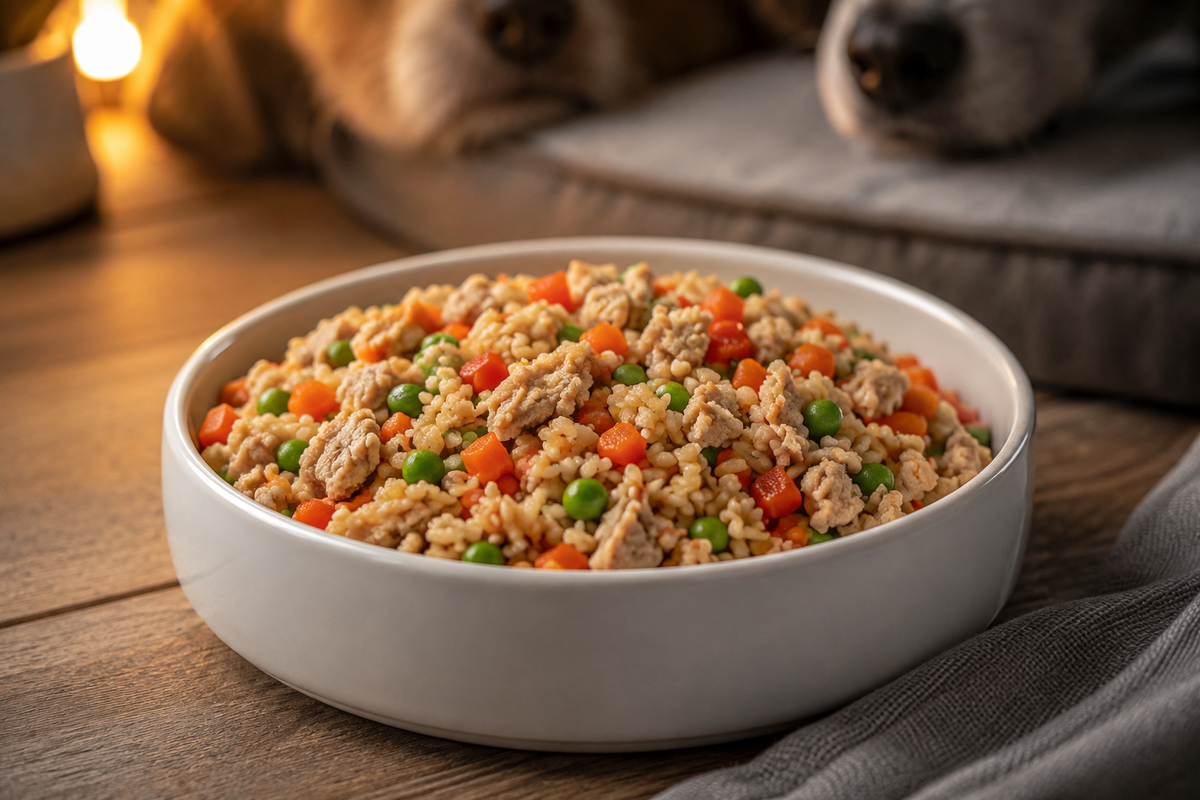
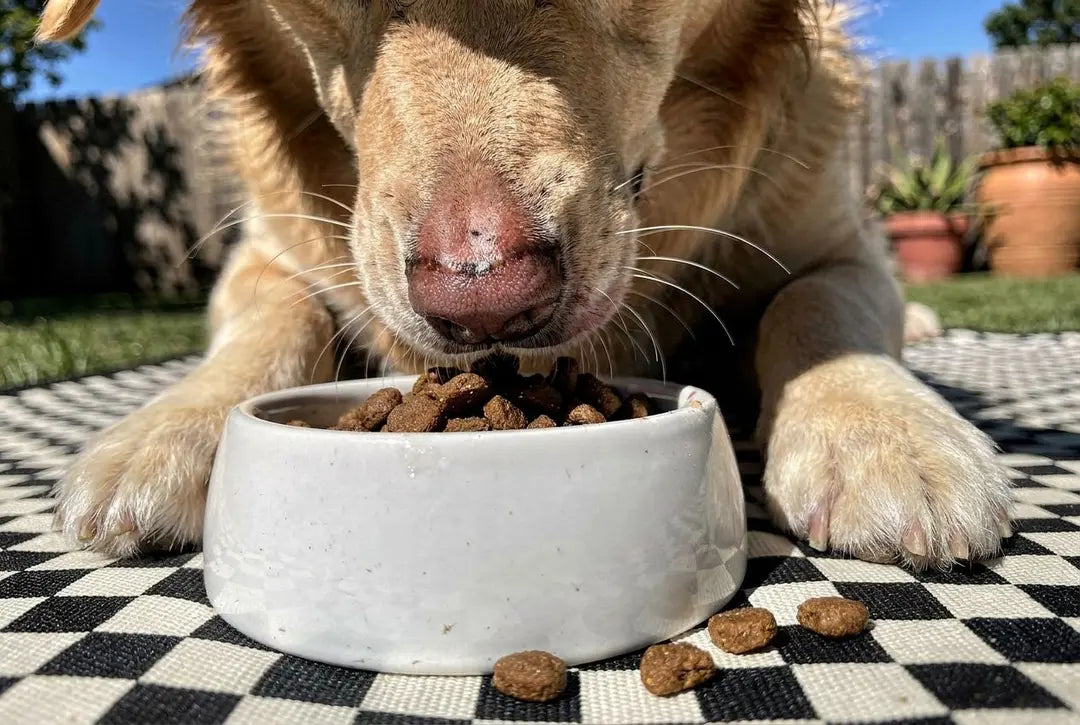
Chicken is one of the most common (and popular!) proteins found in dog foods, treats, broths, and chews—including our Gently Cooked Chicken and Pumpkin Recipe and Grain-Free Chicken Tenders Dog Treats . Naturally, many dogs enjoy chicken as part of a complete and balanced diet. However, when your dog begins scratching constantly, experiences digestive upset , or deals with recurring ear irritation, it's natural to wonder whether this lean protein could be playing a role.
Here's the challenge: these symptoms can have many possible causes. Environmental allergies, parasites, infections, and food sensitivities can all produce similar signs. Paying close attention to when symptoms occur, what your dog eats, and how they respond over time can be the best way to make more informed nutrition decisions.
Below, we'll answer the burning question: "How do I know what to look for when determining if my dog has a chicken allergy?" We'll discuss what changes you may notice, the difference between an allergy and intolerance, and how to explore other nutritious feeding options that help your dog continue to thrive.
How to Tell If Your Dog Is Allergic to Chicken: Common Signs
Chicken allergies in dogs most commonly affect the skin, ears, and digestive system. Some dogs only experience symptoms in one area, while others may develop a combination. The challenge is that these signs can closely resemble reactions caused by environmental allergens, grooming products, or even sensitivities to other ingredients.
Common signs that indicate a chicken allergy include:
- Itchy, red, or irritated skin
- Recurring skin infections or irritation
- Frequent paw licking or chewing
- Excessive scratching
- Digestive upset including loose stools, vomiting, or gas
Because food allergies in dogs are often tied to the protein source , you and your veterinarian may consider chicken as one possible trigger while evaluating other causes.
One of the most helpful things you can do to catch a chicken allergy is to pay attention to patterns! Keep a journal of your dog's meals, treats, symptoms, and when they occur. Ultimately, this can provide valuable information, making planning your next steps easier.
With patience and the right guidance, you'll be better equipped to find a nutritional approach that helps your dog feel their very best.
Skin and Coat Changes
Skin and coat changes are often among the first signs of a chicken allergy pet parents notice. More specifically, dogs with food allergies may repeatedly lick or chew at their paws, scratch their face or belly, or develop red, irritated patches of skin. Learn more in our guide, " Why Do Dogs Lick Their Feet and What You Can Do About It !"
Skin irritation often appears around the ears, paws, underarms, and lower belly, though every dog is different. What's most important, however, is to avoid jumping to conclusions! Many skin conditions can look alike. Once you've identified the underlying cause, nutritional adjustments and ingredients such as omega-3 and omega-6 fatty acids may help support healthy skin and a shiny coat as part of your dog's ongoing wellness routine. We discuss this further in our post, " Best Diet & Care Tips for Pet Allergy Relief ."
Digestive Upset After Eating Chicken
Digestive changes can sometimes accompany a food allergy or food intolerance. More specifically, you may notice loose stools, vomiting, excess gas, stomach gurgling, or other similar signs after your dog is finished eating. While digestive symptoms are typically less common than skin symptoms with food allergies, they can certainly still occur.
If you notice a pattern, make a note of when your dog's symptoms occur and what they ate beforehand, including meals, treats, and chews. Although timing alone can't confirm a chicken allergy, this information can be incredibly helpful for identifying patterns and making thoughtful nutrition decisions as you determine what works best for your dog.
Are you interested in learning more about your pup's digestive discomfort? Read our guide, " Dog Poop Decoded: What Your Dog's Stool Says About Their Health ."
Chicken Allergy vs. Chicken Intolerance
Although the terms are often used interchangeably, a chicken allergy and a chicken intolerance aren't the same! A true food allergy involves the immune system reacting to a specific protein, which may contribute to skin irritation, recurring issues, digestive upset, or a combination of symptoms.
A food intolerance, on the other hand, doesn't involve the immune system in the same way. Instead, it typically affects the digestive system and may cause symptoms such as loose stools, gas, or vomiting after eating certain ingredients. Because allergies and intolerances can look similar, identifying patterns over time and making thoughtful dietary adjustments can help determine which ingredients your dog tolerates best.
Here's the good news, though: both allergies and intolerances can be managed with thoughtful nutrition adjustments tailored to your dog's needs. With the right guidance, you can help your dog enjoy a complete and balanced diet while supporting their overall health and well-being.
Looking for additional information regarding food allergies? We discuss more in our article, " Understanding Genetic Factors in Dog Allergies ."
Other Causes That Can Look Like a Chicken Allergy
Before assuming chicken is the cause of your dog's symptoms, remember that many other factors can cause similar experiences. For example, environmental allergens, such as mold, pollen, and dust mites are a common cause of itchy skin and recurring ear irritation. Even flea allergy dermatitis can trigger significant itching from a single flea bite.
Other food ingredients may also play a role, which is why it's important to avoid making changes based on symptoms alone. While it may take a little extra time to pinpoint the cause of your dog's itchy ears, digestive upset, or frequent paw licking, a thoughtful, step-by-step plan can support your dog's long-term health and well-being.
The Most Reliable Next Step: An Elimination Diet
One of the most effective ways to identify a potential food allergy is through a carefully managed elimination diet. This approach removes suspected ingredients for several weeks before gradually reintroducing them one at a time to see whether symptoms return.
During this period, consistency matters. Avoid introducing extra treats, table scraps, or flavored chews. (We know, it's hard to resist those puppy dog eyes!) However, even small amounts can affect the results. Although an elimination diet requires patience, it often provides valuable insight into which ingredients help your dog feel their best and can make choosing long-term nutrition much easier.
Most importantly, you don't have to settle for food during this time that lacks in nutritional value. At Health Extension, we offer plenty of chicken-free vet-formulated recipes with functional ingredients and a family-style touch—because we strive to do the cooking for you.
If your pup is on a dry food diet, explore alternative options like our Freeze-Dried Raw Beef Recipe or Grain-Free Salmon & Sweet Potato Recipe . Or, if you prefer to keep wet food on your furry friend's plate, check out our Vegetarian Entree with added vitamins, minerals, and taurine and our Gently Cooked Grain-Free Duck & Kale Recipe .
And if you're interested in learning more about Health Extension's approach to science-backed functional nutrition, read our guide, " What 'Human-Grade Ingredients' Really Mean in Dog Food ."
Choosing Food If Chicken May Not Be the Right Fit
If you determine that chicken isn't the best fit for your pup, don't feel discouraged! There are plenty of complete and balanced recipes made with alternative protein sources to help meet their nutritional needs. Proteins such as lamb, venison, duck, salmon, buffalo, or turkey may be appropriate options as part of a thoughtfully balanced diet. Remember, though, every dog is unique! The best choice will depend on their individual needs.
As a family-owned company since 1963, Health Extension has remained committed to creating vet-formulated recipes made with wholesome, thoughtfully selected ingredients. For dogs that need to avoid chicken, our Chicken-Free collection includes complete and balanced recipes featuring proteins like lamb, venison, duck, and salmon. We also offer Allergy-Friendly options , including limited-ingredient and grain-free recipes, making it easier to find a nutritional approach that fits your dog's unique needs and your family's feeding style. Most importantly, our recipes feature thoughtfully selected ingredients, probiotics, omega fatty acids, and nutrient-rich superfoods help support everyday wellness.
Finding the right food may take a little time. However, it is completely possible to continue nourishing your dog with confidence, helping them live a healthy, happy life.
What to Look for on the Label
When reading ingredient labels, it's important to look beyond the first protein mentioned on the package. Chicken may appear under several names, including chicken meal, chicken fat, chicken broth, or chicken digest. You may also see ingredients such as "natural flavor," which can sometimes be derived from animal sources. If you're unsure whether a product contains chicken-derived ingredients, carefully review the ingredient list or reach out the manufacturer for clarification.
It's also helpful to know that the term "poultry" may refer to different types of birds, including chicken. While chicken fat is a chicken-derived ingredient, some dogs with chicken sensitivities may tolerate it differently than chicken protein. By knowing this, you can keep a closer eye on specific sensitivities in the future.
As you compare recipes, choose one that is complete and balanced for your dog's overall needs and made with thoughtfully selected, clearly identified ingredients. Understanding exactly what goes into your dog's food can help you make informed decisions that support long-term wellness.
Curious about what else to look out for on the label? We walk you through this in our post, " Ingredients to Avoid in Dog Food ."
Helping your dog feel comfortable at mealtime can be easy when you follow these steps.
Figuring out how to tell whether your dog is allergic to chicken takes patience; it's rarely a quick answer. But with careful observation, consistent label reading, and a vet-guided approach, most pet parents can get to the bottom of what's bothering their dog.
Take notes, avoid guessing, and make changes thoughtfully. If you're looking for new meal ideas that fit your dog's needs, Health Extension offers a wide range of allergy-friendly feeding options across different formats and proteins. You can also explore recipes online or use the store locator to find a retailer near you!