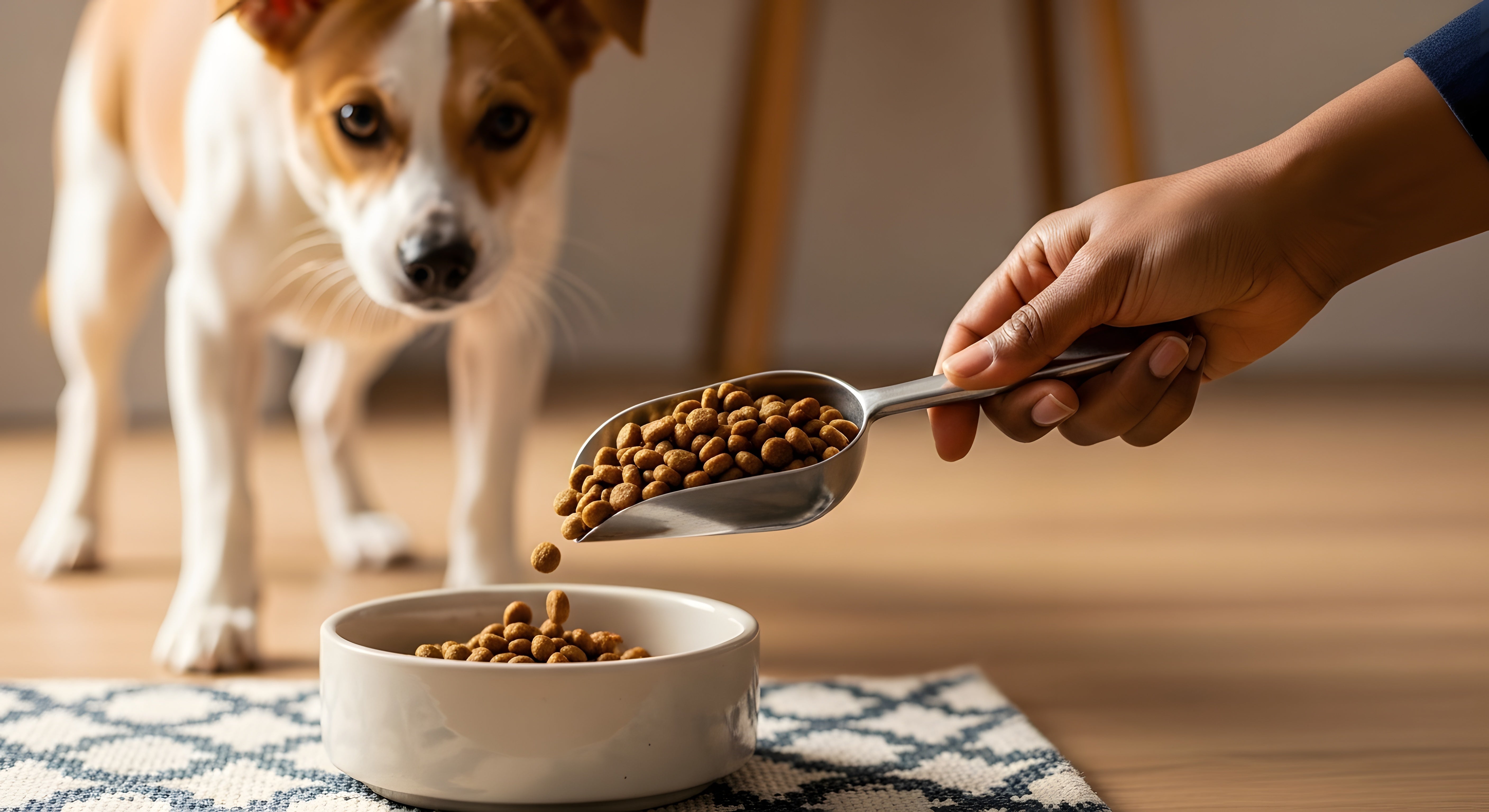
When your dog isn't feeling their best, even small changes can catch your attention. Maybe their stools look different than usual, or they're always ready for another meal immediately after eating. Because our pets are family, it's only natural to look for simple ways to support their health.
One important place to start is fiber. This often-overlooked nutrient plays an important role in digestive wellness, helping support regular stools, nourish beneficial gut bacteria, and promote a healthy feeling of fullness after meals. Understanding how to safely add fiber to your dog's diet is a simple yet meaningful way to support their overall well-being.
In this guide, we'll discuss how to safely and gradually incorporate fiber into your dog's daily diet. We will also cover the benefits of fiber for dogs, signs your dog may benefit from a little more, and several fiber-rich foods to consider.
Why Fiber Matters for Dogs
Fiber is a type of carbohydrate found in plant-based ingredients that supports healthy digestion. Unlike other nutrients, fiber isn't fully broken down by your dog's body. Instead, certain types are fermented by beneficial gut bacteria, helping support a balanced digestive environment and overall gut health.
According to the AKC, fiber helps support healthy stool formation, promotes satiety, and may also help support healthy blood sugar management. This is often one of the many reasons why vets recommend high-fiber diets for diabetic dogs. (Learn more about beneficial diabetes-friendly ingredients in our post, "The Benefits of Dried Beet Pulp for Dogs.")
At Health Extension, a family-owned company that's been nourishing pets since 1963, we believe digestive wellness starts with thoughtfully selected ingredients. That's why our recipes include naturally fiber-rich foods, like pumpkin, sweet potatoes, oats, and dried beet pulp. These wholesome ingredients support healthy digestion while also providing balanced nutrition.
Soluble vs. Insoluble Fiber
There are two main types of fiber, and each supports digestive health in a different way.
Soluble fiber absorbs water and forms a gel-like substance in the gut. This can help slow digestion, which then helps support stool consistency, promote feelings of fullness after meals, and contribute to a healthy digestive environment.
Insoluble fiber, on the other hand, doesn't dissolve in water. Instead, it adds bulk to stool and helps move material through the digestive tract. As a result, this can support regular bowel movements and overall digestive function.
The good news is that many whole-food ingredients naturally contain a combination of both. Foods such as pumpkin, sweet potato, oats, and dried beet pulp all provide different types of fiber that work together to support digestive wellness.
Rather than focusing on one type over the other, most dogs benefit from a balanced diet that includes a variety of fiber sources. If you're interested in quality options, take a look at our human-grade gently-cooked Beef And Potato Recipe. Made with wholesome meats, whole vegetables, over 30 superfoods, and slow-cooked in bone broth, it's a convenient way to provide complete and balanced nutrition.
In the bowl
Pumpkin and complete meals already include fiber. Add extras slowly.
Human-grade gently-cooked fresh dog food (3oz $2.99, 9oz $6.99, variety from $24.90) · Dry dog food · Wet dog food
Signs Your Dog May Benefit From More Fiber
There's no single symptom that indicates your dog is low in fiber. Every pup is different. However, certain patterns may be worth noticing.
For example, your dog may experience occasional constipation, loose or inconsistent stools, or seem hungry again shortly after finishing a meal. In some cases, other dogs may have difficulty maintaining a healthy weight or have hard, pebble-like stools. We explain much of this in our Dog Poop Decoded Guide.
However, digestion is rarely influenced by just one thing. Similar symptoms can also be related to food sensitivities, stress, routine changes, underlying health conditions, or dietary factors. Rather than viewing signs as a diagnosis, consider them helpful clues that your dog's diet, routine, or overall health may deserve a closer look.
Interested in learning more? Read our post, "How Much Food Should I Feed My Dog?"
Best Whole-Food Fiber Sources for Dogs
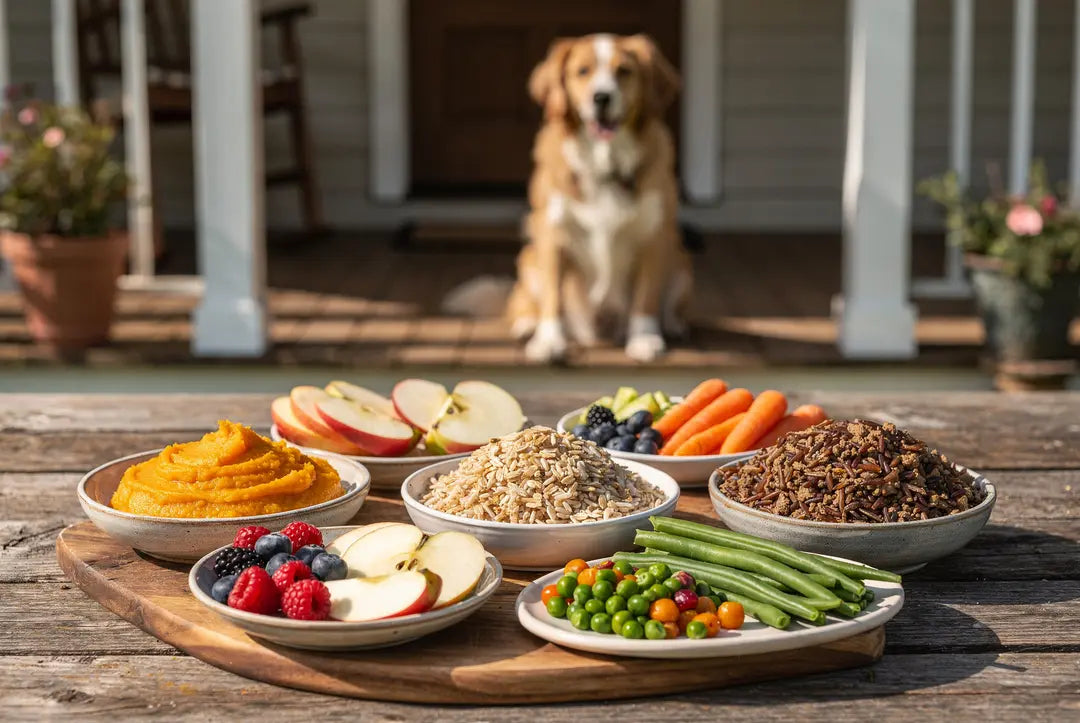
When adding fiber to your dog's diet, stick with plain, minimally processed foods free from added sugars or seasonings. Many everyday foods naturally contain fiber and can be offered as occasional meal toppers or additions alongside a complete and balanced diet.
Here are several fiber-rich ingredients worth considering:
Plain Cooked Pumpkin
Pumpkin is one of the most popular fiber sources for dogs, and for good reason. It contains both soluble and insoluble fiber, making it a versatile option for supporting healthy digestion and stool quality. Just make sure you're using plain pumpkin rather than pumpkin pie filling. The latter contains sugar and spices that may not be safe for dogs.
If you're looking for a meaningful way to incorporate pumpkin into your pup's diet, you may appreciate our Digestive Support, Chicken & Pumpkin Entrée in Gravy. Chicken and pumpkin are combined with additional superfoods, including ginger, turmeric, coconut oil, and vitamins, to create one vet-formulated, moisture-rich meal.
Learn more about the benefits of this ingredient in our post, "Is Your Pup in Love with Pumpkin?"
Cooked Sweet Potato
Sweet potatoes provide dietary fiber along with beneficial nutrients like beta-carotene and vitamins. Their naturally sweet flavor also makes them appealing. Make sure to always serve sweet potatoes cooked, as raw sweet potatoes can be difficult to digest.
Interested in incorporating this ingredient into your pup's diet? Check out our Grain-Free Salmon & Sweet Potato Recipe. Vet-formulated and made with thoughtfully selected ingredients, it's an easy way to nourish your pet family style.
Cooked Carrots
Carrots offer fiber while remaining relatively low in calories, making them a popular choice for pups across breeds. Lightly steaming or cooking them can improve digestibility, especially for puppies, older dogs, or dogs with sensitive stomachs.
If you've been searching for a sensitive stomach-friendly food alternative, you may appreciate our Digestive Support, Beef & Carrot Entrée in Gravy. This complete and balanced recipe pairs wholesome beef with carrots and other thoughtfully selected ingredients.
Green Beans
Green beans are a simple, fiber-rich vegetable that can help add volume to meals without significantly increasing calories. Their fiber content is one reason green beans are included in several Health Extension recipes, like in our Broth-Licious line.
Try Broth-Licious Vitality Recipe. This slow-cooked, single-serve cup features premium beef simmered in rich beef bone broth, paired with nutrient-rich green beans.
Apples (Without Seeds or Core)
Apples contain both soluble and insoluble fiber, along with naturally occurring vitamins and antioxidants. Just make sure to remove both the seeds and the core before serving, as these aren't pet-safe.
Or give your pup Crunchy Munchies Granola Bites in our Appley Crisp flavor. These bites are made with human-grade ingredients, offering a satisfying combination of flavor and crunch.
Blueberries
These bite-sized berries provide fiber and antioxidants that support overall wellness. A simple handful is an easy way to add variety to your pup's diet.
Sammy Snacks with Blueberries can be an excellent, pet-safe alternative here.
Oats
Oats are a gentle source of soluble fiber that many dogs tolerate well. They're often an ideal option for dogs with sensitive stomachs. Just remember to choose plain oats and avoid overly sweetened varieties.
Learn more by reading our guide: "Best Ingredients for Dogs with Sensitive Stomachs." You can also incorporate oats with Oven Baked Peanut Butter Treats and Blueberry Ruffin Crunchy Munchies Granola Bites.
While these foods can help increase fiber intake, they work best when introduced gradually, and as part of a complete and balanced diet.
Fiber-Rich Foods to Avoid
While many fruits, vegetables, and whole grains can be wonderful additions to your dog's diet, not every fiber-rich food is appropriate for pups. Here are foods you'll want to leave off the menu:
- Onions
- Leeks
- Chives
- Grapes
- Raisins
Additionally, watch for hidden ingredients. Xylitol is a sweetener found in some peanut butters, gums, candies, and baked goods. For dogs, it's highly toxic and can require immediate veterinary attention if consumed.
In general, skip heavily seasoned vegetables, sugary canned foods, desserts, and other processed foods made for humans. When it comes to adding fiber, simple choices are often the easiest place to start.
If you're ever unsure whether a food is dog-safe, our guide on toxic foods for dogs can be a helpful place to start.
How Much Fiber Should You Add to Your Dog's Diet?
Every dog is different, and so are their nutritional needs. The "right" amount of fiber depends on your dog's size, age, activity level, diet, and individual health requirements. While fiber is an important part of digestive wellness, more isn't always better. Adding too much can quickly lead to gas, bloating, or changes in stool quality.
If you're introducing fiber-rich whole foods as meal toppers, start small. A good general guideline is as follows:
- Small Dogs (Under 20 lbs): about 0.5 to 1 teaspoon.
- Medium Dogs (21 to 35 lbs): about 1 tablespoon of fiber toppers.
- Large Dogs (Over 35 lbs): averaging up to approximately 2+ tablespoons of whole-food fiber.
It's also important to keep extras in perspective. Treats, toppers, and supplemental foods should generally make up no more than 10% of your dog's daily calories, with the remaining 90% coming from a complete and balanced diet.
Start Low and Go Slow
When you're introducing new foods, only introduce one fiber source at a time over several days. By adding too many at once, it becomes harder to identify what's causing a negative reaction, if any.
A gradual approach, usually over 5 to 7 days, allows your dog's gut microbiome to adjust. Watch stool consistency, energy levels, appetite, and water intake throughout the process.
Follow our guide, "How to Switch Your Pets Food Without Tummy Trouble" to help you through transitions.
Simple Ways to Add Fiber to Your Dog's Meals
You don't need to overhaul your dog's entire diet to incorporate more fiber. Small, consistent additions tend to work the best.
For example, start by stirring a spoonful of plain pumpkin into your dog's regular food, adding a few pieces of green beans as a topper, or offering a couple of blueberries as a treat.
If you want a more hands-off approach, choosing a complete-and-balanced food that already includes fiber-rich ingredients takes the guesswork out of it.
At Health Extension, we've been helping pet parents nourish their dogs since 1963. Our vet-formulated, complete and balanced recipes are made with thoughtfully selected ingredients, wholesome proteins, and over 30 superfoods to support everyday wellness. We also leave out artificial colors, flavors, and preservatives, along with GMOs, soy, corn, wheat, and animal byproducts.
You can also shop our best-sellers across formulas, like our Air-Dried Superfoods Beef Recipe, Freeze-Dried Raw Chicken Recipe, Original Chicken & Brown Rice Dry Food, and Grain-Free 95% Chicken Wet Food.
Use Food Toppers Thoughtfully
Fiber-rich toppers can be a great way to support your dog's digestive health, but they should complement a complete and balanced diet rather than replace it.
Start with modest portions and introduce only one new ingredient at a time. Consistency often matters more than variety.
Don't know where to start? Review Health Extension's Toppers. We do the cooking, you do the serving.
Choose a High-Quality Base Diet
While fiber-rich toppers can be helpful, they work best when they're added to a complete and balanced diet. The foundation of your dog's nutrition should come from a high-quality food that provides the right balance of protein, healthy fats, essential vitamins and minerals, and functional ingredients.
Our digestive-friendly recipes, including our Digestive Support Chicken & Pumpkin Entrée and Digestive Support Turkey & Sweet Potato Entrée, are built around thoughtfully selected ingredients like pumpkin and sweet potato.
Hydration Matters When Increasing Fiber
Fiber and water go hand-in-hand. As fiber moves through the digestive tract, it relies on adequate water intake to do its job effectively. Without enough moisture, increasing fiber too quickly may contribute to harder stools and digestive discomfort.
That's why it's important to make sure your dog always has access to fresh, clean water, especially when introducing new fiber-rich foods. If your dog isn't a big water drinker, adding moisture-rich foods to their routine can help support healthy hydration.
If you're looking to add more moisture to mealtime, Health Extension's human-grade gently-cooked fresh recipes offer a convenient, complete and balanced option made with wholesome ingredients and slow-cooked in bone broth.
Create a fiber-friendly routine your dog can thrive on using these tips!
Knowing how to add fiber to your dog's diet comes down to a few simple principles: start small, use whole-food ingredients, keep your dog well-hydrated, and pay attention to how they respond. A spoonful of pumpkin, a few green beans, or a complete food that already does the work for you can all be part of a thoughtful approach.
And if you're looking for a base diet built around functional, fiber-rich ingredients, explore Health Extension's digestive-support options or use our store locator to find our dog food near you. As a family-owned company since 1963, we've always believed caring for pets starts with thoughtful nutrition.
In the bowl
Pumpkin and complete meals already include fiber. Add extras slowly.
Human-grade gently-cooked fresh dog food (3oz $2.99, 9oz $6.99, variety from $24.90) · Dry dog food · Wet dog food