dog hydration

How to Get My Dog to Drink More Water: Simple Tips

How to Get My Dog to Drink More Water

Water plays a role in nearly every aspect of your dog's health, from digestion and nutrient absorption to energy levels and temperature regulation. Yet many pet parents are surprised to discover their dog isn't drink as much as they expected. You fill the bowl in the morning, and by evening, it's barely touched. Sound familiar?

The good news is that encouraging healthy hydration habits is often simpler than it seems. Small adjustments to your dog's routine, environment, or meals can make drinking water more appealing, ultimately helping support their overall well-being. 

In this guide, we're sharing steps you can take to get your dog to drink more water. We'll also discuss why hydration matters for your pup's health , how much they should be drinking on average, and helpful tips for incorporating more water in their daily diet

Why Hydration Matters for Your Dog's Health

Water does far more than satisfy a dog's thirst. In fact, it plays a vital role in nearly every function of their body! Think: digestion, circulation, temperature regulation, joint comfort, kidney function, and nutrient absorption. Simply put, adequate hydration helps support your dog's everyday health and well-being.

That said, maintaining healthy hydration habits is far easier than addressing the effects of dehydration after they occur. More specifically, even mild dehydration can affect how a dog feels and functions, making consistent water intake an important part of everyday wellness.

It's also important to remember that hydration needs aren't the same for every dog. Factors like size, age, activity level, diet, environment, and overall health all influence how much water a dog needs each day. That's why hydration isn't just something to think about during hot summer months ; it's a year-round part of supporting your dog's health and helping them thrive.

If you're looking for a meaningful way to incorporate additional hydration in your dog's diet, check out our Bone Broth-Infused Recipes ! Options such as Gently Cooked Lamb and Carrot can be a helpful way to provide additional hydration. And here's a pro tip: freeze it for the warmer weather months for a chilly, hydrating treat!

How Much Water Should a Dog Drink Each Day?

A common guideline is that dogs need about one ounce of water per pound of body weight each day. Therefore, a 40-pound dog would typically need 40 ounces of water, or about 5 cups. However, this is a guideline —not a rule.

Every dog is different, and hydration needs can vary. For example, water needs go up with exercise, warm weather, dry kibble diets, pregnancy, nursing, and certain medications. Additionally, dogs who receive wet or gently cooked food may drink less from their bowl, as their meals already contain extra moisture. If you're interested in learning more about this, visit our guide, " Gently Cooked vs. Traditional: What’s Best for Your Dog’s Nutrition? "

However, rather than focusing solely on the number of ounces your dog drinks each day, pay attention to their overall hydration habits and consistency. This gives you a better picture of their overall well-being and makes it easier to notice meaningful changes over time.

Signs Your Dog May Not Be Drinking Enough

Dehydration isn't always obvious, especially if it's in the early stages. This is why it's helpful to pay attention to subtle changes in your dog's appearance, energy levels, and daily habits. Some common signs of inadequate hydration include:

  • Dry or sticky gums
  • Lower-than-usual energy levels
  • Excessive panting
  • Thick saliva
  • Reduced appetite
  • Less frequent urinations

You can also perform a simple skin elasticity check at home. All you have to do is gently lift the skin between your dog's shoulder blades and then release it. In a well-hydrated dog, the skin should quickly return to its normal position. If it settles more slowly, it may indicate dehydration. However, remember that age, body condition, and other factors can influence the result, so the test should be a helpful observation rather than a definitive assessment.

Common Reasons Dogs Don't Drink Enough Water

Whenever our pups don't seem to be drinking enough water, it can be easy to worry. However, it's important to understand what may actually be going on before jumping to conclusion! In some cases, it isn't always a result of dehydration. 

For example, a dirty bowl, stale water, a bowl placed in high-traffic spots, stress, travel, or a recent food adjustment can all influence how frequent your dog stops by to take a sip. And, at times, some dogs even prefer moving water over still water in a bowl. (Pups can be picky, too!)

Additional health-related reasons may include dental pain, nausea, arthritis making it hard to bend down to a floor-level bowl, urinary issues, or other underlying health conditions. Sometimes, it just takes a simple environmental adjustment to encourage your dog to head back to their bowl more frequently.

How to Get My Dog to Drink More Water at Home

Ultimately, the goal for getting your dog to drink more water is to make hydration feel natural and inviting rather than forced. Below, we'll explore a handful of helpful tips for keeping your pup hydrated. Try each strategy one at a time and see what they respond best to!

Keep Water Fresh, Clean, and Easy to Reach

Sometimes encouraging better hydration starts with the basics. Refresh your dog's water regularly and wash their bowl daily to help keep it clean and appealing. It's estimated that  dogs can smell anywhere from 1,000 to 10,000 times better than humans can. So, if their water is dirty, they'll be the first to know.

Beyond this, location matters just as much. Place bowls in a quiet, comfortable area where your dog already spends much of their time. And, if possible, avoid spots near loud appliances, busy walkways, or other distractions that may discourage drinking.

For those with larger homes or households with puppies or senior dogs, consider placing water stations in multiple locations. Easy access can make a meaningful different in how often your pup stops for a drink throughout the day!

Try a Different Bowl or Pet Fountain

Our dogs have preferences just like we do. And, believe it or not, this shows in the type of water bowl you use. For example, some dogs prefer wider, shallower bowls, whereas others may be sensitive to certain materials or bowl shapes. If they seem hesitant, try experimenting with different bowl styles to help encourage drinking.

For many pet parents, stainless steel and ceramic bowls are popular options. They're durable, easy to clean, and less likely to retain odors. And for dogs with sensitive whiskers or shorter muzzles , a wider bowl can also create a more comfortable experience.

Remember what we said earlier about some dogs preferring moving water? If this is something you can relate to, a pet fountain may be worth considering! Many dogs are naturally attracted to the movement and sound of flowing water, which can encourage more frequent drinking throughout the day. Just clean it thoroughly at least once a week, including all the internal parts.

Add Moisture to Meals

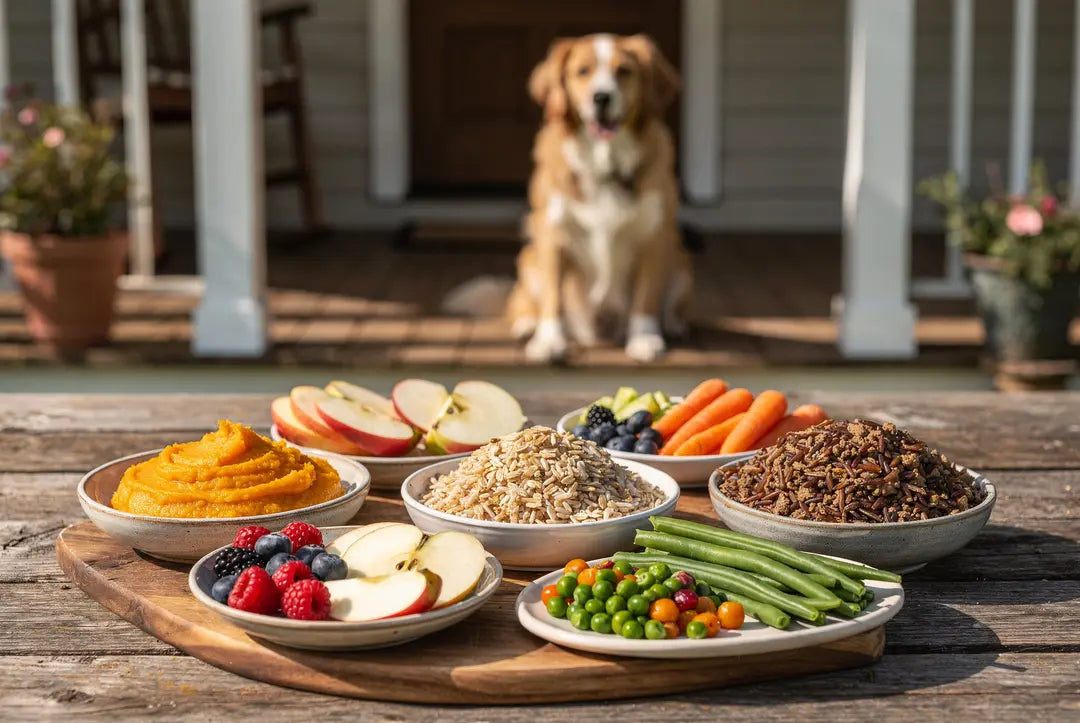
One of the easiest ways to support hydration is through your dog's food. While dry kibble provides complete nutrition, it contains significantly less moisture than wet or gently cooked formulas. Because of this, adding moisture-rich foods to your dog's routine can make a true difference in helping increase their fluid intake without requiring them to drink more.

At Health Extension , we believe hydration and nutrition go hand in hand. That's exactly why we offer a variety of complete and balanced feeding options, including dry food, Wet Food , and  Gently Cooked recipes, so pet parents can choose the approach that best fits their dog's needs and preferences.

If your dog eats primarily kibble, try mixing in a small amount of warm water before serving. You can also incorporate wet food, bone broth, or Gently Cooked meals to provide additional moisture while adding variety to mealtime. Small additions can add up over time, helping support healthy hydration as part of an overall wellness-focused diet.

Use Dog-Safe Flavor Boosters

Some dogs simply find flavored water or moisture-rich meals more appealing than plain water alone. And there's nothing wrong with this! If your dog needs encouragement, a small amount of dog-safe bone broth can be an easy way to make drinking and mealtime more enticing. We actually discuss this further in our guide, " Bone Broth for Pets: Top Benefits and How It Boosts Their Health ."

Bone broth can be an excellent way to increase overall moisture intake while adding flavor and aroma that many dogs love. It can be mixed into water, poured over food, or used to moisten dry kibble for a more appetizing experience.

When choosing a broth, make sure it's free from onions, leeks, chives, and excessive sodium. Because many broths are made for people are seasoned differently than those made for pets, it's best to choose a broth specifically formulated for dogs whenever possible.

Interested in learning more? Visit our post, " What “Human-Grade Ingredients” Really Mean in Dog Food ."

Make Hydration Part of Play and Routine

Sometimes, the best way to encourage healthy hydration is to make a natural part of your dog's day. Offering water after walks, meals, training sessions, playtime, and periods of rest creates regular opportunities for your dog to drink. Plus, it establishes consistent habits over time!

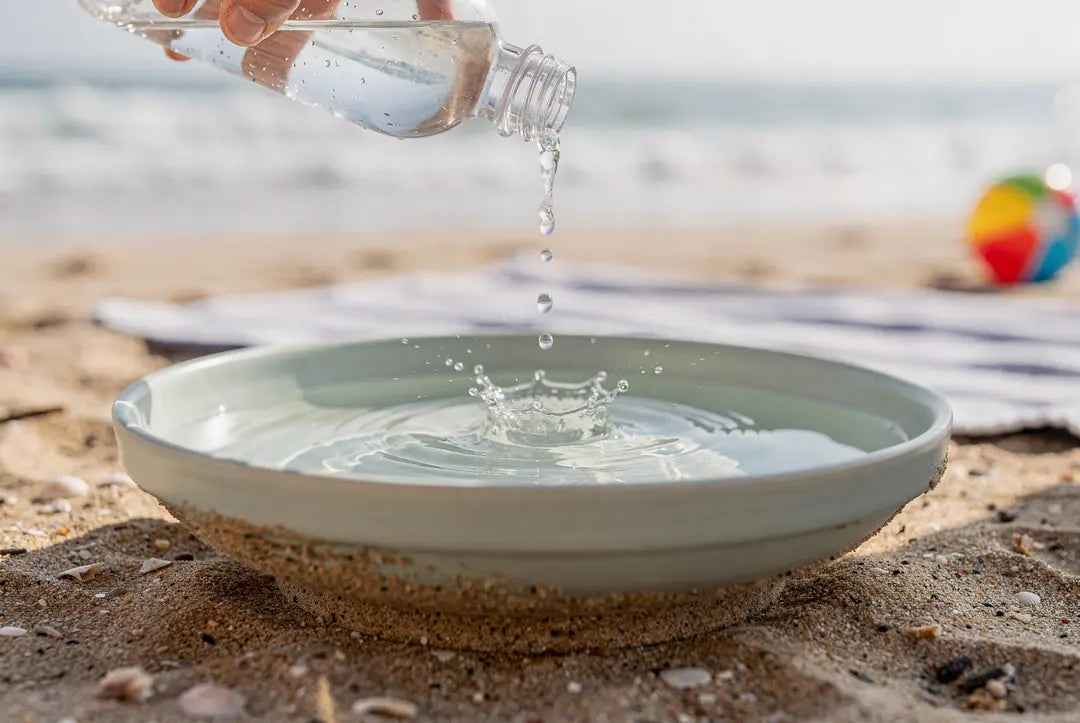
When you're away from home, bring along a travel bowl or portable water bottle so fresh water is always within reach. This is especially important during outdoor activities, road trips, and warmer weather when hydration needs may increase. Like many healthy habits, consistency matters. Small, everyday opportunities to drink can add up, helping support your dog's hydration, comfort, and overall well-being.

Additionally, if you're planning outdoor adventures or training sessions, Health Extension offers dog toys and Healthy & Delicious Dog Treats that make it easy to turn hydration breaks into positive movements together.

Hydrating Foods and Meal Ideas That Can Help

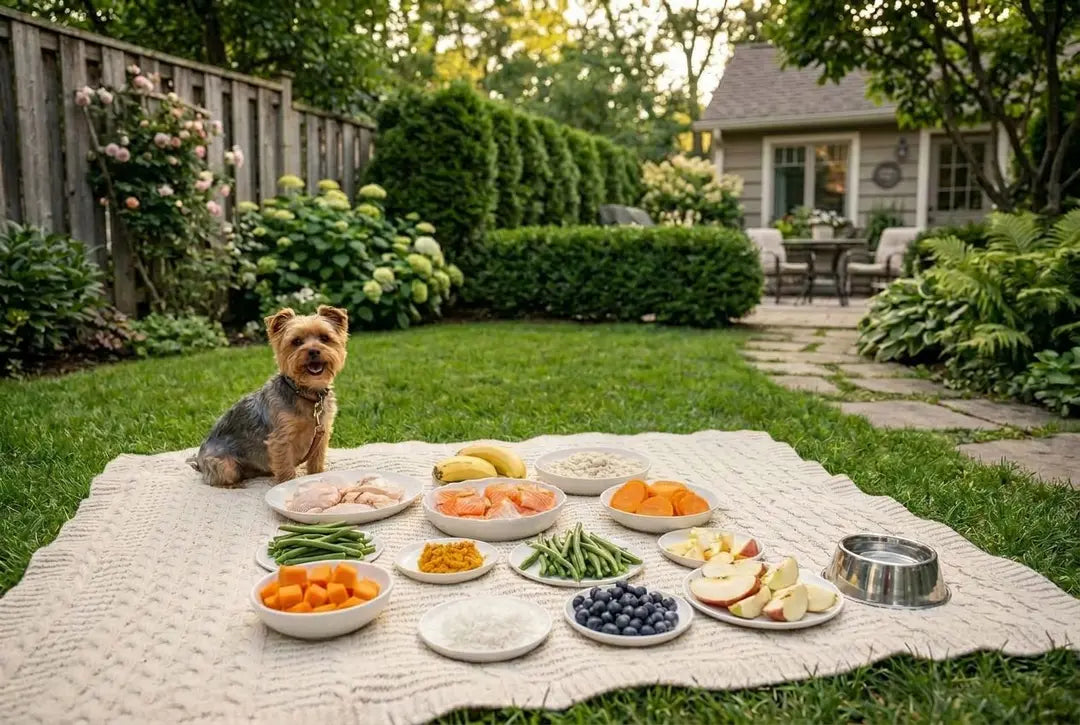
As we mentioned earlier, water doesn't have to come exclusively from your dog's water bowl. Many dogs get a meaningful portion of their daily moisture from their food! Wet foods, gently cooked meals, and rehydrated Freeze-Dried recipes all naturally contain a considerable amount of moisture, making it easy to support hydration while providing complete and balanced nutrition.

At Health Extension, we offer a variety of moisture-rich options designed to make hydration simple and enjoyable. Our Broth-Licious Cups and Gently Cooked recipes feature real whole-food ingredients slow-cooked in bone broth, providing both hydration support and balanced nutrition. They're an easy way to add moisture to meals while giving dogs the flavors they love.

What to Avoid When Encouraging Hydration

While supporting your dog's hydration doesn't have to be complicated, a few simple habits can make the process more successful.

For example, rather than changing several things at once, try introducing one new strategy at a time. Whether you're adding moisture to meals, trying a new bowl, or offering a pet-safe broth, making gradual changes helps you see what your dog responds to best.

It can also be helpful to choose pet-safe products that naturally help enhance hydration. Foods and flavorings made for people often contain seasonings or additional ingredients that aren't intended for canine diets. Pet-specific options take the guesswork out of mealtime, making it easier to add moisture while keeping your dog's nutritional needs in mind.

Most importantly, pay attention to what works for your individual dog. Every pup has their own preferences, and finding a routine they'll happily stick with is often the best way to support healthy hydration over time.

Making small daily changes to your dog's diet can help increase overall hydration.

Knowing how to get your dog to drink more water doesn't require a major overhaul. Fresh water, clean bowls, a little moisture in meals, safe flavor additions, and a consistent routine can go a long way. These are small acts of care that add up over time.

If you're looking for simple ways to add more moisture to your dog's routine, explore Health Extension's wet foods, Gently cooked recipes, and other thoughtfully crafted feeding options. You can also use our store locator to find products near you!

As a family-owned company since 1963, we've always believed caring for pets starts with thoughtful nutrition. Join our rewards program to earn points on your purchases and discover even more ways to help your pet thrive. Because they're family, too.

Reading next

How to Add Fiber to Dog's Diet