Description
Superfoods for dogs are nutrient-dense whole foods such as pumpkin, bone broth, turmeric, kelp, and berries. This guide explains what the term means on a label, which ingredients actually show up in holistic formulas, and how Health Extension cooks them into human-grade gently-cooked fresh dog food.
What Are Superfoods for Dogs? The Ingredients That Set Holistic Dog Food Apart
"Superfood" is a marketing word. On a dog food label it should still point to a real ingredient you can name, not a vague blend. This article walks through what the term means, which foods veterinarians commonly treat as nutrient-dense, and how those ingredients appear in Health Extension recipes.
TLDR
- Superfoods for dogs are whole ingredients that pack vitamins, minerals, fiber, antioxidants, or fatty acids into a small serving.
- Common examples include pumpkin, bone broth, turmeric, kelp, berries, carrots, kale, coconut oil, and oily fish. Elite Veterinary Care lists many of the same foods.
- AAFCO still requires a complete and balanced statement for everyday meals. Superfoods sit on top of that baseline; they do not replace it. See AAFCO's label guide.
- Health Extension cooks pumpkin, bone broth, turmeric, kelp, sage, thyme, coconut oil, and goji berry into human-grade gently-cooked fresh dog food. Little Bites kibble and Air Dried Superfoods use a 30-plus superfood blend in dry and air-dried formats.
- Pouches start at $2.99 for 3 oz and $6.99 for 9 oz. Variety packs start at $24.90.
Table of contents
- What "superfood" means on a dog food bag
- Ingredients that actually earn the name
- How cooking method changes what your dog gets
- Where superfoods show up in Health Extension recipes
- How to read a superfood claim on the label
- Formats that work together
What "superfood" means on a dog food bag
There is no AAFCO definition for "superfood." The Association of American Feed Control Officials sets nutrient profiles and labeling rules for complete and balanced food, not a special superfood category. AAFCO still expects an ingredient list in descending order by weight, a guaranteed analysis, and a nutritional adequacy statement.
Treat "superfood" as a pointer. The useful question is: which named foods sit in that recipe, and do they appear high enough on the ingredient list to matter?
Holistic formulas tend to use recognizable plants, broths, herbs, and oils instead of a long list of unnamed "natural flavors." That can be an important distinction for pet parents looking for more recognizable ingredients. Kibble, canned food, air-dried food, and human-grade gently-cooked fresh dog food can all include those ingredients. The formats differ in moisture, texture, and how you serve them.
For a plain-language walkthrough of human-grade claims and cooking, read What Is Human-Grade Fresh Dog Food.
Ingredients that actually earn the name
Veterinary writers often group superfoods as whole foods with a high density of useful compounds. Elite Veterinary Care includes kale, carrots, blueberries, goji berries, turmeric, pumpkin, sweet potatoes, oily fish, kelp, bone broth, broccoli, and eggs.
Here is how those foods typically support a complete recipe.
Pumpkin and other orange vegetables
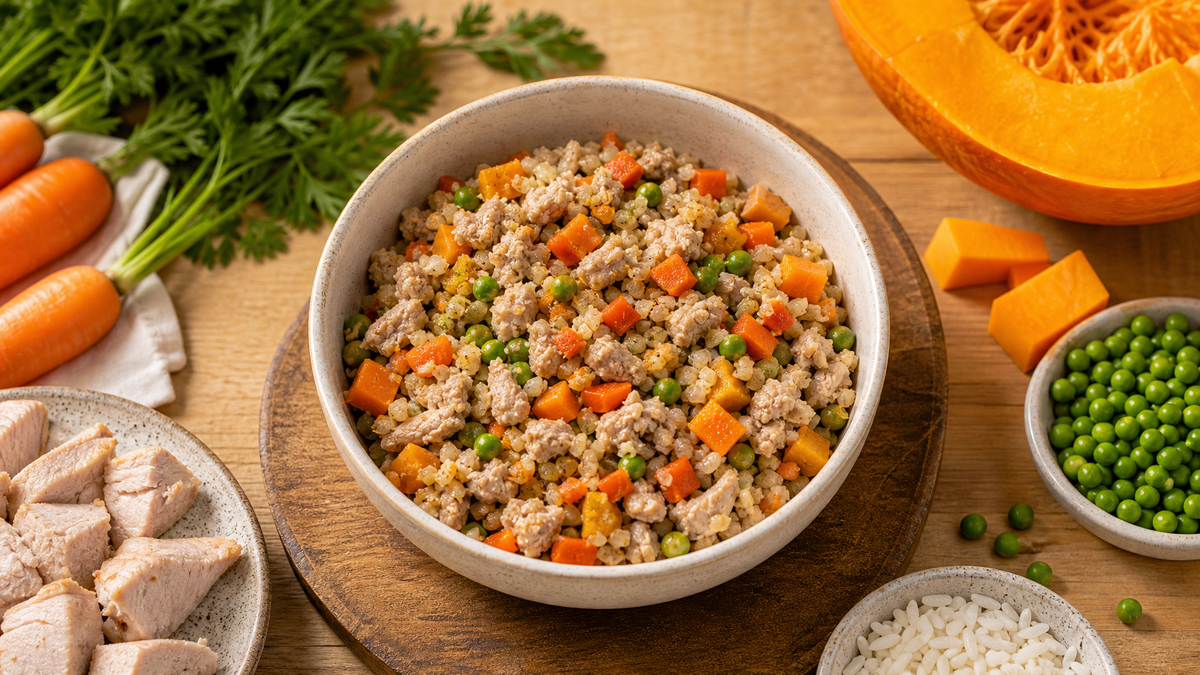
Pumpkin brings fiber plus beta-carotene. Many dogs tolerate pumpkin well, and its fiber can help support more consistent stools and healthy digestion. Carrots and sweet potato add similar carotenoids and a mild sweetness that picky eaters often accept. Health Extension Chicken & Pumpkin and Salmon recipes use pumpkin; Lamb & Carrot uses carrot and sweet potato.
Bone broth
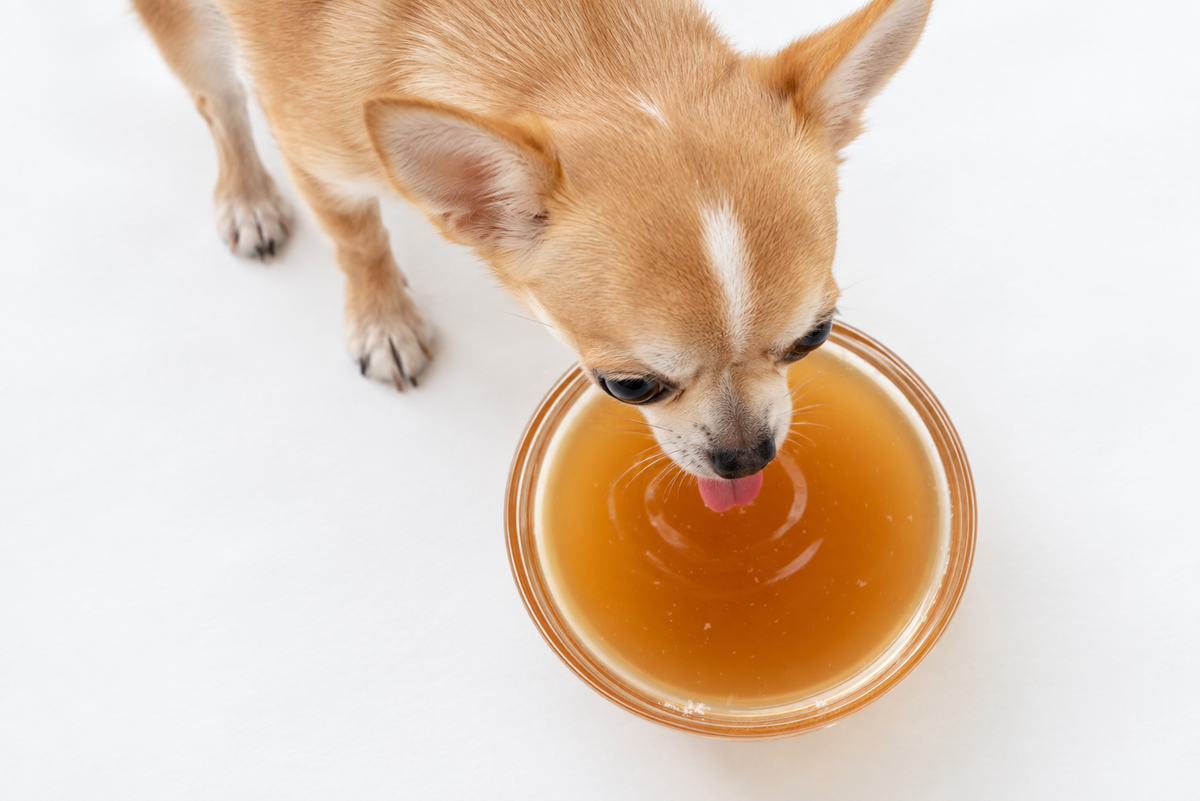
Bone broth is the cooking liquid, not a garnish. It naturally provides glucosamine, chondroitin, gelatin, and minerals, and because the broth stays in the pouch, those nutrients are served right along with the rest of the meal. Health Extension human-grade gently-cooked fresh dog food uses chicken, beef, or duck bone broth by recipe. Broth-Licious cups use the same idea in a single-serve wet format.
Turmeric, sage, thyme, and rosemary
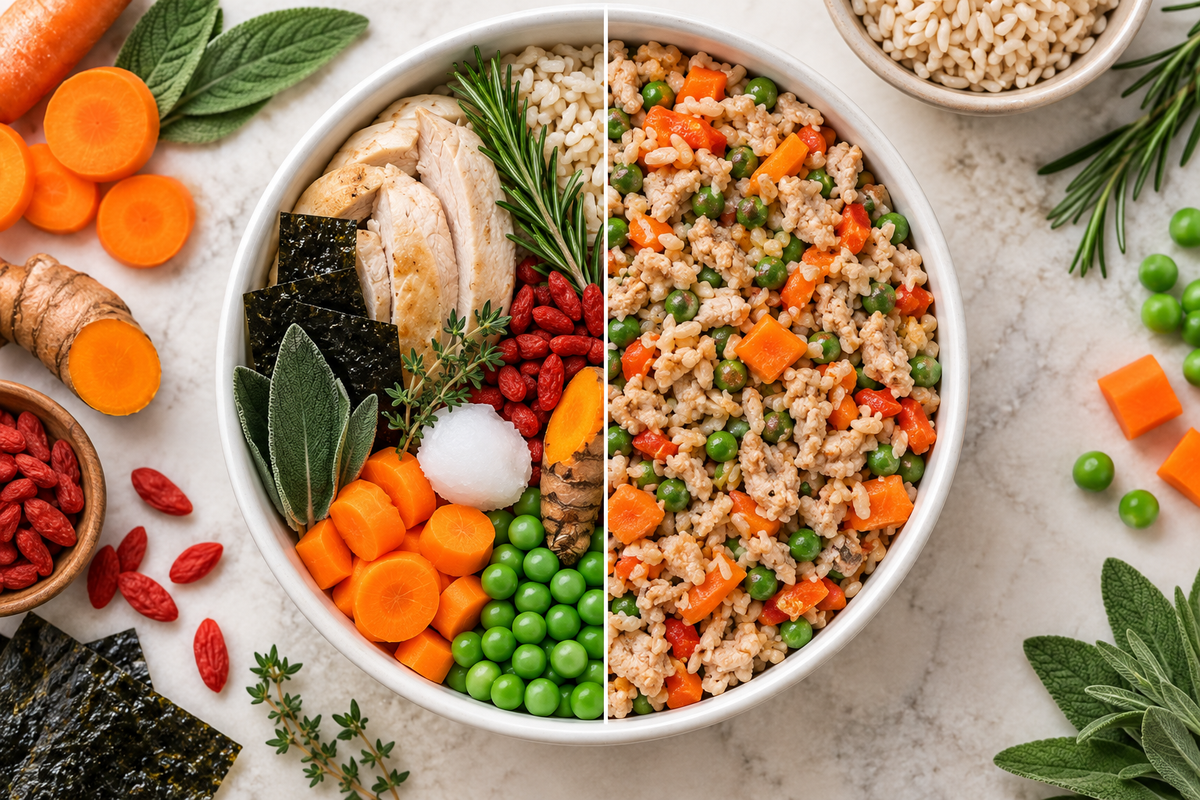
Turmeric's curcumin is the compound people talk about for antioxidant support. Herbs such as sage, thyme, and rosemary show up as named botanicals on Health Extension pouches rather than a catch-all spice blend.
Kelp, goji berry, and coconut oil
Kelp contributes iodine and other minerals. Goji berry appears in several pouches, including Duck & Kale and Salmon. Coconut oil is a named fat in the gently cooked line and in Little Bites.
Berries, greens, and oily fish
Blueberries and cranberries sit in Little Bites Lite. Kale is the vegetable partner in Duck & Kale. Salmon recipes supply omega-3s from fish rather than from a separate oil packet.
If your dog has a history of bladder stones, kidney disease, or thyroid disease, ask your veterinarian before you add extra kale, kelp, or broccoli on top of a complete food. Those foods belong in formulated recipes at controlled amounts.
How cooking method changes what your dog gets
Ingredient lists tell you what went in. Cooking method can affect what stays.
Health Extension's internal nutrition comparison notes that sealed, shorter cooks keep more water-soluble vitamins than long boiling, and they avoid the high dry-heat range used in some baked kibble. Proteins, fats, and many antioxidants stay available. Because the bone broth stays in the pouch, minerals that leach into liquid still get eaten.
Air drying uses low temperature and removes moisture so you can scoop a dense topper or meal. Little Bites kibble is a small-breed dry format with a 30-plus superfood blend. None of these formats is a replacement for the others. They are different ways to deliver named ingredients.
Where superfoods show up in Health Extension recipes
Human-grade gently-cooked fresh dog food is shelf-stable. No fridge, no freezer, open and serve. Veterinarian formulated. Meat recipes meet AAFCO Dog Food Nutrient Profiles for all life stages, including growth of large-size dogs. The vegetarian recipe is for adult maintenance.
Named superfoods in the pouches include bone broth, pumpkin, turmeric, kelp, sage, thyme, rosemary, coconut oil, and goji berry, plus vegetables such as carrot, broccoli, kale, potato, and sweet potato.
Current prices:
| Size | Price |
|---|---|
| 3 oz pouch | $2.99 |
| 9 oz pouch | $6.99 |
| Variety pack | from $24.90 |
Shop sample variety packs at gently cooked sample variety packs.
Little Bites
Little Bites is small-kibble food for teacup, toy, and miniature breeds. Real chicken is first. Recipes include 30-plus superfoods such as turmeric, apple cider vinegar, coconut oil, blueberries, and cranberries. Puppy, Chicken & Brown Rice, and Lite options cover growth, everyday feeding, and lower-fat adult needs. Made in the USA. No corn, wheat, soy, artificial flavors, colors, or preservatives.
Air Dried Superfoods
Air Dried Superfoods Chicken, Beef, and Salmon recipes use 85% of protein from animal sources plus 30-plus superfoods including turmeric, colostrum, and lion's mane mushroom. Serve as a complete meal, a topper, or a high-value treat. No refrigeration.
Broth-Licious
Broth-Licious cups cook ocean fish, chicken, or beef in bone broth with pumpkin, carrot, or green bean depending on the recipe. Use a cup as a meal or mixer when you want extra moisture and aroma.
Health Extension has been family owned for three generations. The through-line is named ingredients and complete recipes, not a ranking of kibble versus pouches versus air-dried food.
How to read a superfood claim on the label
Use this checklist:
- Find the AAFCO nutritional adequacy statement. Everyday meals should be complete and balanced for the right life stage. PetMD's AAFCO explainer covers the required label parts.
- Read the first five to eight ingredients. These can give you a good sense of the main ingredients in the recipe, while superfoods should appear as clearly named ingredients rather than only in a vague blend.
- Match the protein to your dog. Chicken, beef, lamb, duck, and salmon pouches give you rotation options without changing the cooking method.
- Ignore ranking language that calls one format junk. Look at moisture, kibble size, and how your dog actually eats.
If a bag shouts ‘superfood’ but the ingredient list doesn’t back it up with recognizable, clearly named ingredients, the claim may be more marketing than real benefits.
Formats that work together
Many small-breed households split the bowl. Little Bites covers nutrient-dense kibble sized for small jaws. A 3 oz pouch of human-grade gently-cooked fresh dog food adds moisture, bone broth, and visible vegetables. Air Dried Superfoods work as a travel scoop. Broth-Licious adds aroma for picky eaters.
Keep total calories in range. Pouches are high moisture, so a 3 oz serving looks larger than the same calories in kibble. Transition over several days when you change the mix.
You do not need a veterinary prescription diet or a novel-protein clinic food for a typical healthy dog who simply needs better ingredients. If your dog has a diagnosed medical condition, follow your veterinarian's feeding plan and use these foods only if they fit that plan.
Closing
Superfoods for dogs are specific plants, broths, herbs, oils, and fish that carry extra nutrition in a small amount. Holistic dog food earns the word when those ingredients are named, cooked in a way that keeps them useful, and wrapped in a complete and balanced recipe.
Start with a variety pack of human-grade gently-cooked fresh dog food, keep Little Bites as the everyday kibble if that is your dog's format, and use the human-grade fresh dog food education page when you want the cooking and sourcing details in one place.