Why Small Breed Dogs Have Different Nutritional Needs (And How to Meet Them)
TLDR
Small breed dogs possess uniquely fast metabolisms, smaller stomach capacities, and compact jaws that require tailored daily nutrition. They burn more calories per pound than large dogs and need nutrient-dense meals packed with high-quality protein, digestible fats, and superfoods. Meeting these needs involves choosing small-kibble formulas like Health Extension Little Bites or shelf-stable human-grade gently-cooked fresh dog food cooked in nutrient-rich bone broth. Combining digestible proteins, probiotics, and omega fatty acids supports sustained energy, digestive health, and a healthy coat for teacup, toy, and small dogs.
Table of Contents
- The Unique Physiology of Small Breed Dogs
- Metabolism and Caloric Density: Small Bodies, Fast Burners
- Jaw Mechanics and Kibble Size: Why Bite Size Matters
- Stomach Capacity and Nutrient Absorption: Maximizing Every Ounce
- Essential Ingredients for Small Breed Vitality
- Choosing the Best Feeding Format for Your Small Dog
- How to Safely Transition Your Small Dog to New Food
- Frequently Asked Questions
The Unique Physiology of Small Breed Dogs
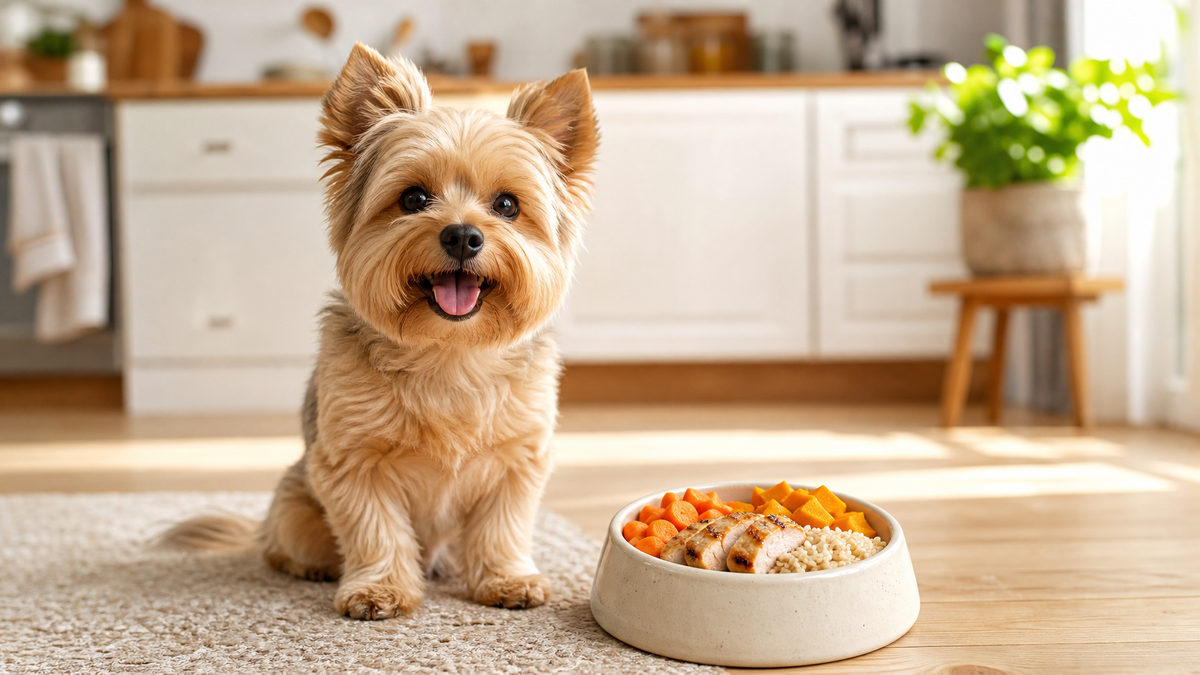
Teacup, toy, and small breed dogs bring boundless energy and vibrant personalities into our homes. From French Bulldogs and Yorkies to Pomeranians and Chihuahuas, these companions may be small in stature, but their physiological demands are distinct. A five-pound dog is not simply a miniaturized version of a fifty-pound dog. Their internal systems operate at a different pace, demanding specialized dietary attention.
For over three generations, family-owned Health Extension has crafted holistic pet foods designed to nourish pets at every stage of life. Understanding the physiological differences of small dogs empowers pet owners to select food that supports long-term vitality, daily energy, and total wellness.
Metabolism and Caloric Density: Small Bodies, Fast Burners
One of the most significant physiological differences in small dogs is their metabolic rate. Small dogs have a higher surface-area-to-body-mass ratio than larger breeds. Because they lose body heat faster, their bodies burn calories at a rapid rate just to maintain a normal core temperature.
As a result, a ten-pound dog requires significantly more calories per pound of body weight each day than an eighty-pound Golden Retriever. Feeding a standard adult dog food to a small dog often leads to caloric shortfalls unless the dog eats a large volume of food. However, a small dog cannot comfortably digest massive portions.
To meet these intense metabolic demands, small breed formulas must provide high caloric density. Every bite needs to carry a concentrated blend of digestible proteins, healthy fats, and complex carbohydrates. Concentrated nutrition ensures small dogs receive sufficient fuel without overloading their digestive tracts.
Jaw Mechanics and Kibble Size: Why Bite Size Matters
Physical body size also dictates jaw structure and dental alignment. Small dogs possess compact mouths and smaller teeth placed closely together. Standard kibble pieces designed for medium or large dogs present physical challenges for toy and teacup breeds.
When kibble pieces are too large, small dogs may struggle to crush them. Some dogs attempt to swallow oversized pieces whole, which increases the risk of choking or causes upper gastrointestinal upset. Oversized kibble can also cause mouth fatigue, leading picky eaters to abandon their meals halfway through.
Small-breed kibble formulas feature custom mini-bites engineered for compact jaws. Petite kibble allows small dogs to chew comfortably, promoting proper mechanical breakdown before swallowing. Chewing appropriately sized kibble also helps reduce plaque buildup along the gumline, supporting oral hygiene in breeds prone to dental crowding.
Stomach Capacity and Nutrient Absorption: Maximizing Every Ounce
A small dog possesses a tiny stomach with limited capacity. While a large dog can process a substantial meal in one sitting, a toy breed can only accommodate a few ounces at a time. Oversized portion sizes can cause stomach distension, discomfort, or regurgitation.
Because stomach volume is limited, the nutrient quality of every meal becomes critical. Fillers or low-quality ingredients take up valuable stomach space without supplying essential vitamins, minerals, or amino acids. High digestibility ensures that nutrients are absorbed efficiently during passage through the digestive tract.
Feeding nutrient-dense foods cooked under gentle conditions helps maximize absorption. Low-temperature cooking methods protect delicate vitamins, essential fatty acids, and amino acids from heat degradation, delivering optimal nourishment in small meal sizes.
Essential Ingredients for Small Breed Vitality
Building a complete daily diet for a small breed dog requires careful ingredient selection. Look for whole, recognizable ingredients that deliver targeted health benefits.
High-Quality Animal Proteins
Protein supplies the essential amino acids required for muscle maintenance, tissue repair, immune function, and hormone production. Real meat should always serve as the foundation of your dog's diet. Premium sources like real chicken, beef, lamb, and duck offer exceptional bioavailability and taste.
Prebiotics and Fiber for Gentle Digestion
Small dogs can have sensitive digestive tracts. Incorporating fiber-rich ingredients such as pumpkin, carrots, brown rice, and sweet potatoes promotes smooth bowel movements and healthy stool quality. Prebiotic fibers like chicory root and inulin feed beneficial gut bacteria, strengthening the intestinal microbiome and enhancing overall immunity.
Healthy Fats and Omegas for Coat and Skin
Fats provide a concentrated source of energy, yielding more than twice the calories per gram compared to protein or carbohydrates. Omega-3 and Omega-6 fatty acids from salmon oil, coconut oil, and flaxseed support healthy skin, maintain a shiny coat, and nourish cognitive function. Coconut oil also provides medium-chain triglycerides (MCTs) that offer readily available energy for active small dogs.
Superfoods and Bone Broth for Immune Support
Nutrient-rich superfoods elevate basic nutrition into proactive wellness care. Ingredients like organic turmeric, kelp, blueberries, cranberries, and leafy greens supply powerful antioxidants that neutralize free radicals. Cooking meals in real bone broth adds natural collagen, glucosamine, and essential minerals while enhancing natural aroma and flavor for picky eaters.
Choosing the Best Feeding Format for Your Small Dog
Every dog has individual preferences and dietary requirements. Feeding options range from convenient dry kibble to fresh, bowl-ready meals. Combining or choosing among these formats allows pet parents to customize daily meal routines.
Human-Grade Gently-Cooked Fresh Dog Food
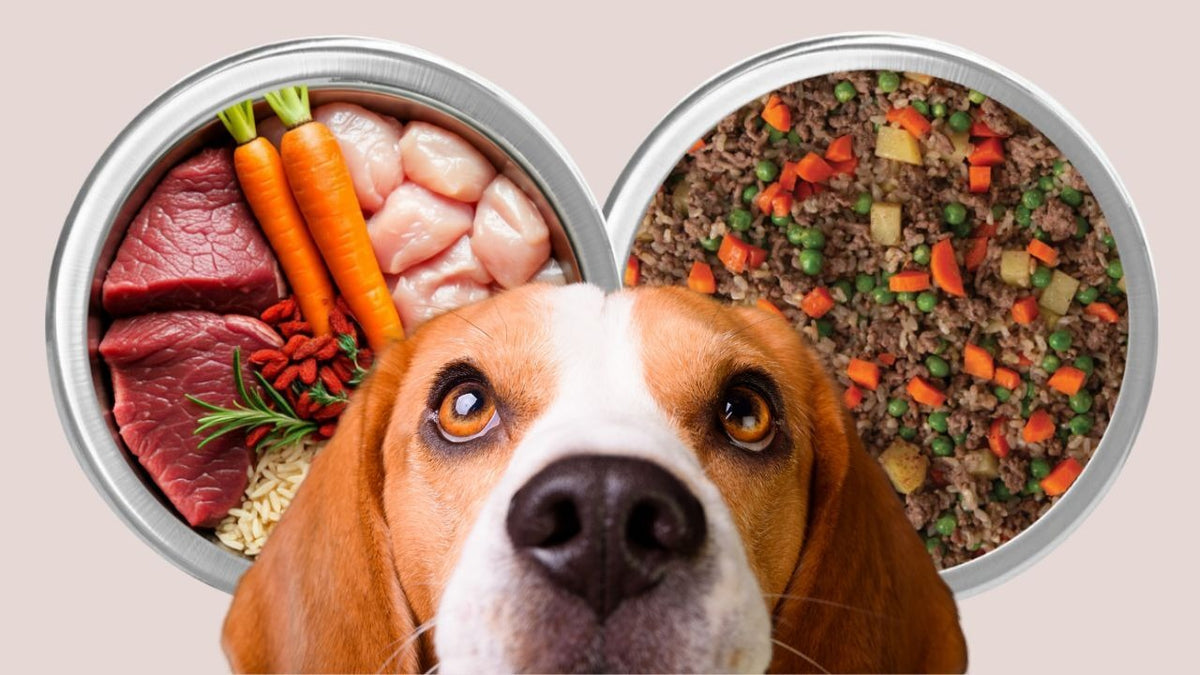
For dog owners seeking fresh nutrition without complex preparation, shelf-stable human-grade gently-cooked fresh dog food offers an ideal solution. Health Extension Human-Grade Gently-Cooked Fresh Dog Food is gently cooked in real bone broth in sealed pouches to preserve water-soluble vitamins, minerals, and antioxidants.
Because these meals are shelf-stable, they require no refrigeration or thawing prior to opening. You simply open the pouch and serve. Recipes like Chicken & Pumpkin or Beef & Potato supply whole superfoods including carrots, pumpkin, turmeric, and coconut oil. For pet owners wanting variety, the Gently Cooked Variety Pack provides a convenient way to rotate delicious, highly digestible proteins.
Small-Breed Kibble: Tailored Crunchy Nutrition
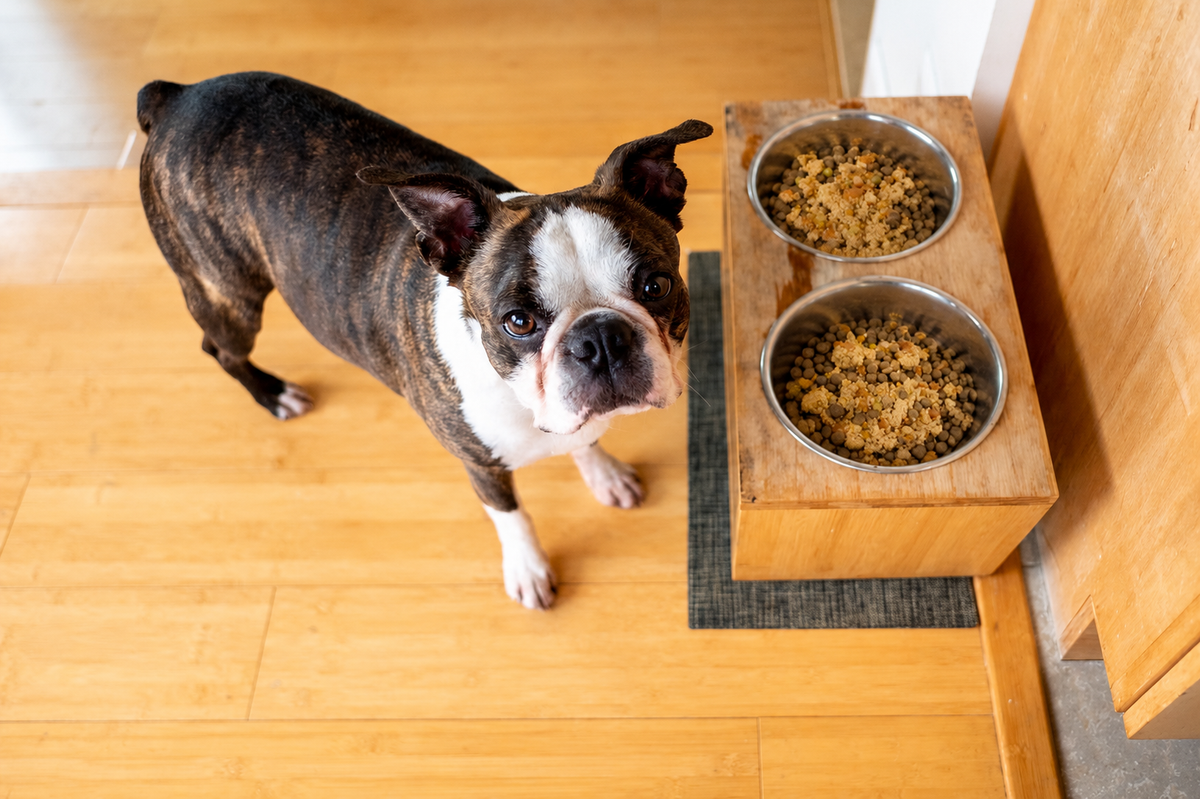
Dry kibble remains a popular choice for daily convenience and crunch. Health Extension Little Bites Chicken & Brown Rice Recipe features teacup-sized kibble tailored specifically for small mouths. Real chicken serves as the primary ingredient, supported by over thirty superfoods, probiotics, and apple cider vinegar.
For small dogs requiring weight management, Little Bites Lite provides balanced nutrition with reduced fat content while preserving full flavor and satisfying meal volume.
Air-Dried Superfoods and Versatile Toppers
Air-dried food combines high protein content with ultimate feeding flexibility. Health Extension Air Dried Superfoods recipes feature 85% animal-sourced protein gently dried at low temperatures. Powered by a superfood blend including lion's mane mushroom, bovine colostrum, and organic turmeric, these dense bites serve as a complete meal, a high-value training reward, or a savory topper mixed into kibble.
How to Safely Transition Your Small Dog to New Food
When introducing a new food format or recipe to a small dog, a gradual transition helps prevent digestive upset. Small systems react quickly to sudden dietary shifts, so patience is key.
Follow a seven-to-ten-day transition schedule:
- Days 1 to 3: Serve 75% current food mixed with 25% new food.
- Days 4 to 6: Serve 50% current food mixed with 50% new food.
- Days 7 to 9: Serve 25% current food mixed with 75% new food.
- Day 10: Serve 100% new food.
Monitor your dog's energy levels, appetite, and stool consistency throughout the transition. If mild soft stool occurs, hold the current mix ratio for an extra two days before increasing the new food proportion.
Frequently Asked Questions
Can I mix dry kibble with human-grade gently-cooked fresh dog food?
Yes. Mixing crunchy kibble with human-grade gently-cooked fresh dog food or broth-based toppers is an excellent way to boost hydration, enhance flavor, and maintain dental health. Simply adjust total portion sizes to avoid overfeeding.
How often should small breed dogs eat each day?
Because small dogs burn calories rapidly and have small stomach capacities, feeding adult small dogs two to three evenly spaced meals per day helps maintain stable blood sugar and steady energy levels.
Why is bone broth beneficial for small dogs?
Bone broth provides natural hydration, collagen for joint support, and gentle minerals. Cooking food in real bone broth also creates an alluring scent that encourages hesitant or picky small dogs to eat enthusiastically.
Is human-grade gently-cooked fresh dog food suitable for picky small dogs?
Yes. Gentle cooking in bone broth locks in natural meat juices, aroma, and tender textures that appeal strongly to picky small dogs without needing artificial flavorings or palatants.
Nourish your small dog with complete, holistic nutrition crafted by three generations of pet care experts. Explore Health Extension Little Bites dry kibble and Health Extension Human-Grade Gently-Cooked Fresh Dog Food to discover the ideal meal combination for your companion.